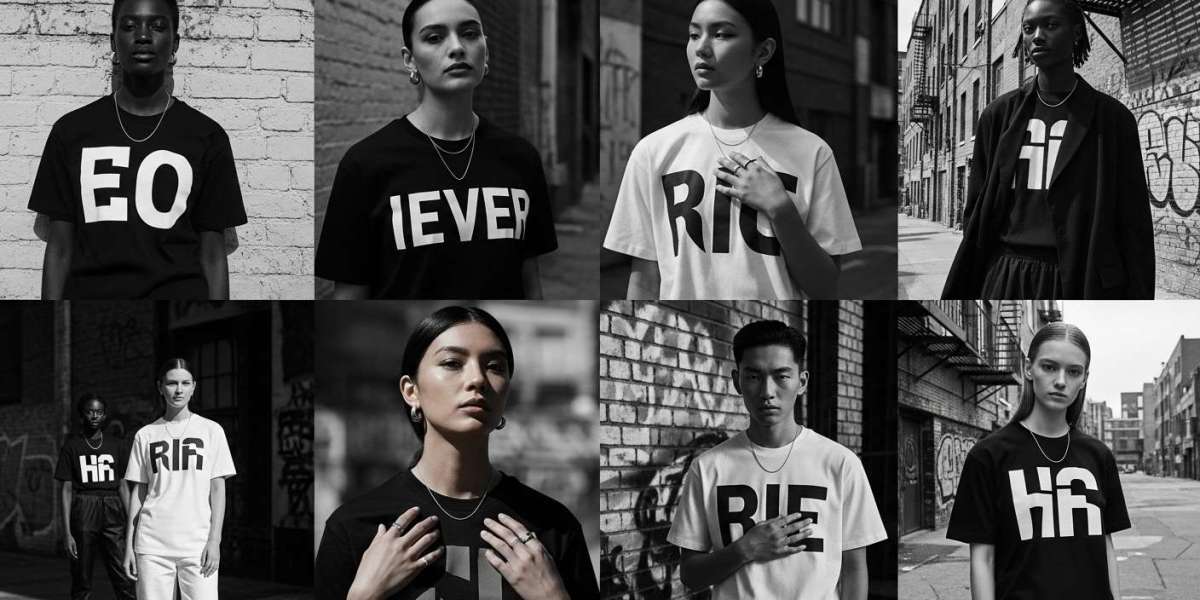

In today’s socially aware world, fashion is no longer just about trends and aesthetics—it is a platform for expression and advocacy. The concept of activism through apparel highlights how clothing can be used to promote causes, raise awareness, and inspire change. From slogan T-shirts to sustainable fashion choices, apparel has become a powerful tool for individuals and communities to make their voices heard.
What Is Activism Through Apparel?
Activism through apparel refers to the use of clothing and accessories to communicate social, political, or environmental messages. It transforms everyday fashion into a medium for expressing beliefs and supporting causes.
This form of activism can include:
Wearing clothes with messages about equality or justice
Supporting brands that promote ethical practices
Choosing sustainable and eco-friendly fashion
Using clothing to represent identity and cultural values
In simple terms, it is about using what you wear to stand for something meaningful.
Why Apparel Is an Effective Tool for Activism
Clothing is one of the most visible aspects of daily life. It allows individuals to communicate messages without speaking, making it a powerful form of expression.
Visibility
Apparel is seen in public spaces, reaching a wide audience.
Accessibility
Anyone can participate, regardless of age or background.
Simplicity
Messages on clothing are easy to understand and remember.
Influence
Fashion trends can inspire others and spread awareness quickly.
These qualities make apparel an ideal medium for activism.
Examples of Activism Through Apparel
There are many ways people use clothing to advocate for change.
Slogan and Statement Clothing
T-shirts and hoodies with messages like “Justice for All” or “Protect the Planet” are widely used to spread awareness.
Sustainable Fashion
Choosing eco-friendly clothing supports environmental causes and promotes responsible consumption.
Ethical Fashion Choices
Buying from brands that ensure fair wages and safe working conditions supports workers’ rights.
Cultural Expression
Wearing traditional or identity-based clothing can assert cultural rights and promote diversity.
Protest Apparel
Clothing worn during demonstrations often symbolizes unity and resistance.
Each of these examples shows how apparel can carry powerful meaning.
The Role of Brands and Designers
Fashion brands and designers play a significant role in activism through apparel. Many use their platforms to highlight social issues and promote positive change.
They contribute by:
Creating collections that address important causes
Collaborating with non-profit organizations
Raising funds through apparel sales
Promoting awareness through campaigns
However, authenticity is crucial. Consumers expect brands to take real action, not just promote messages.
The Impact of Consumer Choices
Consumers have a strong influence on the fashion industry. By choosing apparel that aligns with their values, they can encourage brands to adopt ethical practices.
You can make a difference by:
Supporting responsible brands
Reducing fast fashion consumption
Educating yourself about production processes
Sharing awareness with others
Every purchase becomes a statement of support for certain values.
Challenges in Activism Through Apparel
While this movement is impactful, it also faces challenges:
Performative activism: Wearing messages without meaningful action
Greenwashing: False claims about sustainability
Commercialization: Turning activism into a marketing strategy
Being informed helps ensure that activism remains genuine and effective.
The Future of Fashion Activism
The future of activism through apparel looks promising as awareness continues to grow. More people are using fashion as a way to express their beliefs and support causes.
We can expect:
Increased demand for ethical fashion
Greater transparency in production
More inclusive and diverse designs
Stronger connection between fashion and social change
Fashion will continue to evolve as a tool for advocacy.
Conclusion
Activism through apparel shows that clothing can be more than just style—it can be a voice. It allows individuals to express their beliefs, support important causes, and contribute to meaningful change.
In a world driven by visual communication, what you wear can influence how people think and act. Fashion becomes a powerful platform for awareness and action.
Ultimately, apparel is not just about fashion.
It is about purpose.
It is about impact.
And it is about using your voice—through what you wear.