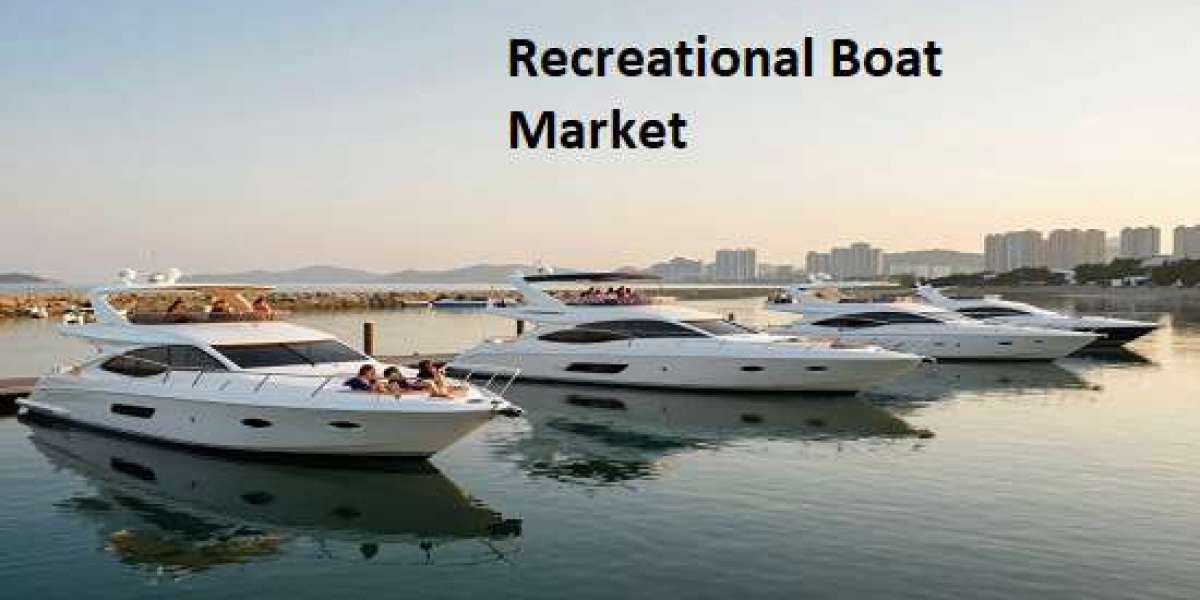

The Global Recreational Boat Market is experiencing a period of sustained growth as consumer lifestyles increasingly prioritize leisure, outdoor recreation, and experiential travel. Recreational boating has evolved from a niche luxury activity into a widely accessible form of entertainment, driven by rising disposable incomes, growing interest in adventure sports, and expanding coastal and inland tourism infrastructure. As urban populations seek meaningful escapes from fast-paced city life, boating activities such as yachting, sailing, fishing, and personal watercraft use are gaining strong traction. This shift is reshaping the market landscape and positioning recreational boating as a resilient and high-potential segment within the broader leisure and marine industries.
Market Overview
The recreational boat market encompasses a wide range of watercraft designed primarily for leisure, sports, and non-commercial use. These include yachts, sailboats, motorboats, personal watercraft, pontoons, and fishing boats. In 2025, the global recreational boat market is projected to reach USD 21.5 billion, supported by a compound annual growth rate of 7.3% through 2034, when the market is expected to attain a value of USD 40.4 billion. This expansion reflects both steady demand in mature economies and accelerated adoption in emerging markets.
The market’s growth is closely tied to changing consumer behavior. Recreational boating is no longer perceived solely as a high-cost luxury but as an aspirational lifestyle choice supported by financing options, boat-sharing models, and marina infrastructure development. Technological innovation has also played a vital role, improving safety, fuel efficiency, navigation, and onboard comfort. These factors collectively enhance accessibility and appeal across diverse income groups.
Key Growth Drivers
One of the most significant drivers of the recreational boat market is rising disposable income, particularly among middle- and upper-middle-class consumers. As households allocate more spending toward leisure and lifestyle experiences, recreational boating benefits from increased affordability and aspirational value. This trend is especially pronounced in regions with strong tourism ecosystems and water-based recreational cultures.
Another important driver is the growing popularity of adventure sports and water-based activities. Recreational boating serves as a gateway to activities such as wakeboarding, waterskiing, diving, fishing, and cruising. The expansion of coastal resorts, marinas, and inland water tourism hubs has further stimulated demand for boats that cater to both personal and rental use.
Urbanization and lifestyle evolution are also shaping market dynamics. As urban dwellers seek wellness-oriented and nature-connected activities, boating offers a unique combination of relaxation, physical activity, and social engagement. Additionally, the influence of social media and digital content showcasing boating lifestyles has amplified consumer interest, particularly among younger demographics.
Technological Advancements and Innovation
Innovation is a cornerstone of growth in the recreational boat market. Manufacturers are increasingly integrating advanced technologies to enhance performance, safety, and user experience. Modern recreational boats now feature digital navigation systems, smart connectivity, automated docking assistance, and advanced propulsion technologies.
Electric and hybrid propulsion systems are gaining attention as sustainability becomes a priority for both consumers and regulators. These systems reduce emissions, lower noise levels, and decrease operational costs, making them attractive for inland waterways and environmentally sensitive regions. Lightweight materials such as fiberglass composites and carbon fiber are also being adopted to improve fuel efficiency and handling.
Customization and modular design are additional trends shaping innovation. Consumers increasingly demand personalized layouts, onboard amenities, and performance features tailored to specific recreational needs. This shift toward customer-centric design enhances brand loyalty and supports premium pricing strategies.
Market Segmentation Analysis
The recreational boat market can be segmented based on boat type, propulsion type, application, and distribution channel. By boat type, motorboats hold a dominant share due to their versatility, ease of use, and suitability for a wide range of activities. Sailboats appeal to enthusiasts seeking traditional and eco-friendly boating experiences, while yachts represent the premium segment focused on luxury and long-distance cruising. Personal watercraft are popular for short-duration recreation and adventure sports, particularly in coastal and resort regions.
By propulsion type, internal combustion engines remain prevalent, but electric and hybrid systems are witnessing faster growth rates. Environmental regulations and consumer awareness are accelerating the transition toward cleaner propulsion technologies.
From an application perspective, personal use accounts for the majority of demand, although rental and shared ownership models are expanding rapidly. Boat clubs and charter services lower entry barriers for new users and contribute to higher utilization rates across the market.
Consumer Demographics and Behavior
Consumer demographics in the recreational boat market are becoming increasingly diverse. While traditionally dominated by older and affluent buyers, the market is now attracting younger consumers and families. Millennials and Generation X are showing growing interest in boating as part of a broader lifestyle that emphasizes wellness, travel, and outdoor recreation.
Families value recreational boats for their ability to facilitate bonding experiences, while retirees often seek comfort-oriented vessels for leisure cruising and fishing. The increasing participation of women in boating activities is also influencing design and marketing strategies, leading to more inclusive and user-friendly features.
Regional Analysis
North America is projected to maintain a dominant position in the global recreational boat market, accounting for 39.4% of total revenue by the end of 2025. This leadership is supported by high disposable incomes, extensive coastlines and inland waterways, and a deeply rooted boating culture. Favorable government initiatives promoting marine recreation and infrastructure development further strengthen the region’s position. The United States alone has over 11 million registered recreational boats, reflecting the widespread popularity and accessibility of boating activities.
Europe represents another significant market, characterized by strong demand for sailing boats, luxury yachts, and river cruising vessels. The region benefits from well-established marina networks, a strong tourism sector, and a long-standing maritime tradition. Sustainability considerations are increasingly shaping consumer preferences and regulatory frameworks in European markets.
The Asia-Pacific region is emerging as a high-growth market, driven by rapid urbanization, expanding tourism industries, and a growing upper-middle-class population. Countries such as India and those in Southeast Asia are witnessing rising demand for yachts, motorboats, and personal watercraft, supported by investments in coastal tourism and hospitality infrastructure.
Latin America, the Middle East, and Africa collectively offer untapped growth potential. Expanding tourism initiatives, improving marina facilities, and increasing consumer awareness are expected to drive gradual adoption of recreational boating in these regions.
Download a Complimentary PDF Sample Report:
https://dimensionmarketresearch.com/request-sample/recreational-boat-market/
Competitive Landscape and Industry Dynamics
The competitive landscape of the recreational boat market is marked by a mix of established manufacturers and emerging players. Companies compete on the basis of product quality, innovation, brand reputation, and after-sales service. Fleet diversification and strategic product launches are common strategies used to capture niche segments and respond to evolving consumer preferences.
Strategic partnerships with marinas, tourism operators, and financing providers are becoming increasingly important. These collaborations enhance market reach, improve customer experience, and create integrated boating ecosystems. Digital sales platforms and virtual showrooms are also gaining traction, allowing consumers to explore and customize boats remotely.
Sustainability and Environmental Considerations
Environmental sustainability is playing an increasingly influential role in shaping the recreational boat market. Regulatory pressure to reduce emissions and protect marine ecosystems is prompting manufacturers to invest in cleaner propulsion systems and eco-friendly materials. Electric boats and hybrid engines are particularly attractive for inland waterways and protected coastal zones.
Beyond environmental impact, social sustainability is gaining importance. Responsible boating practices, safety education programs, and community engagement initiatives contribute to the industry’s long-term viability. By aligning sustainability with innovation, the recreational boating sector can achieve balanced growth while preserving natural resources.
Future Outlook and Market Opportunities
The future of the recreational boat market appears promising, supported by favorable economic trends, technological advancements, and evolving consumer lifestyles. Continued investment in marina infrastructure, especially in emerging markets, will enhance accessibility and stimulate demand. The integration of digital technologies such as artificial intelligence and data analytics will further improve personalization, maintenance efficiency, and user experience.
Opportunities also exist in experiential boating, including wellness cruises, eco-tourism, and adventure-focused charters. As consumers increasingly seek unique and memorable experiences, recreational boating is well-positioned to meet these expectations. The expansion of rental and sharing models will further democratize access and attract first-time users.
Frequently Asked Questions
What factors are driving growth in the recreational boat market?
Growth is driven by rising disposable incomes, increased participation in water-based leisure activities, technological innovation, and expanding tourism infrastructure.
Which region leads the global recreational boat market?
North America leads the market due to its strong boating culture, extensive waterways, and high number of registered recreational boats.
How is sustainability influencing recreational boating?
Sustainability is encouraging the adoption of electric and hybrid propulsion systems, eco-friendly materials, and responsible boating practices.
What types of recreational boats are most popular?
Motorboats dominate the market due to their versatility, while yachts, sailboats, and personal watercraft cater to specific leisure and adventure needs.
What is the long-term outlook for the recreational boat market?
The market is expected to grow steadily through 2034, supported by innovation, lifestyle shifts, and expanding access through rental and sharing models.
Key Insights Summary
The recreational boat market is undergoing a dynamic transformation driven by lifestyle evolution, technological innovation, and expanding global tourism. With strong growth prospects across both developed and emerging regions, the market offers significant opportunities for manufacturers, service providers, and investors. North America remains the leading revenue contributor, while Asia-Pacific and other emerging regions present high-growth potential. As sustainability and experiential travel continue to shape consumer preferences, the recreational boat market is well-positioned for long-term, resilient expansion.
Purchase the report for comprehensive details:
https://dimensionmarketresearch.com/checkout/recreational-boat-market/