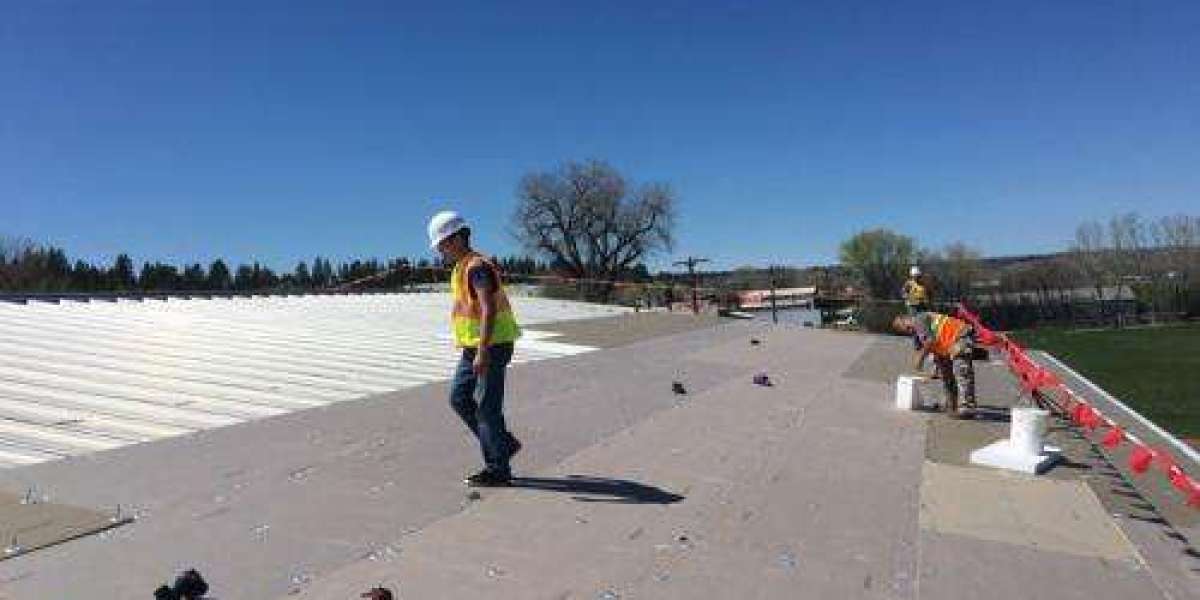

Storms can strike unexpectedly, leaving behind hidden issues that may compromise the safety and performance of your roofing system. Understanding how to spot storm damage in Niles, MI, is essential for protecting your commercial property and preventing costly repairs down the road. High winds, heavy rain, hail, and falling debris can all contribute to roof deterioration, but many signs often go unnoticed until the damage becomes severe. This guide explains what to look for, why early detection matters, and how to keep your roof in its best condition after a storm.
Why Storm Damage Is a Concern for Commercial Roofs
Unlike residential pitched roofs, commercial roofs are often flat or low-sloped, which makes them more susceptible to pooling water, membrane punctures, and unnoticed leaks. Storm damage weakens the structural integrity of roofing materials, reducing their ability to protect your building. When left unaddressed, moisture intrusion can lead to mold growth, insulation damage, interior deterioration, and even premature roof replacement.
Spotting storm damage early not only saves money but also protects your investment, keeps your business operations running smoothly, and ensures a safe environment for employees and customers.
Key Signs of Storm Damage on Commercial Roofs
1. Visible Water Pooling
After a heavy downpour, some level of water accumulation is normal on flat roofs. However, if water remains for more than 48 hours, it may be a sign of improper drainage or structural depressions caused by storm impact. Persistent standing water increases stress on the roof membrane, accelerating degradation.
2. Membrane Tears, Rips, or Punctures
Strong winds can blow loose branches, debris, and other objects onto your roof, causing cuts or holes in the membrane. Even small punctures can allow water infiltration, leading to major leaks over time. Inspect the roof surface for jagged tears, missing membrane sections, or areas that appear lifted or loosened.
3. Damaged Flashing
Flashing protects roof edges, corners, vents, and seams. Storms often loosen or bend these metal components. Damaged flashing compromises waterproof seals, allowing water to slide underneath the membrane. If you notice displaced, rusted, or detached flashing, immediate repair is necessary.
4. Granule Loss on Asphalt Roofs
For commercial properties with asphalt roofing, hail and heavy rainfall can cause granule loss. Granules help protect the roof from UV rays and weathering. Check for bare patches, smooth surfaces, or excessive granules collected in gutters or drains.
5. Uplifted or Missing Roofing Materials
Wind uplift is one of the most common causes of storm-related roofing issues. If sections of your roofing system appear curled, loose, or missing, this indicates wind damage. Uplift can expose the underlayment and lead to widespread water intrusion.
6. Blocked or Damaged Drainage Systems
Leaves, branches, and debris carried by storms can clog gutters, scuppers, and downspouts. Blocked drainage systems cause water buildup, adding unnecessary weight and increasing the risk of leaks. Inspect drainage pathways for obstructions and ensure water flows freely off the roof.
7. Interior Water Stains or Moisture
Often, the first noticeable signs of storm damage appear inside the building. Look for:
Yellow or brown ceiling stains
Damp insulation
Dripping water
Mold or mildew odor
These symptoms usually indicate that stormwater has breached the roof and migrated into the building’s interior.
8. Alligatoring or Cracking
After storms, extreme temperature changes can cause roofing materials to expand and contract, leading to surface cracking—often referred to as “alligatoring.” This makes the roof more vulnerable to leaks and further storm damage.
9. Sagging Roof Sections
If parts of the roof appear uneven or sagging, there may be hidden moisture trapped beneath the membrane. Stormwater can weaken the roof deck, making it unsafe. Sagging is a severe issue that requires immediate professional attention.
How Roof Coating Helps After Storm Damage
In many cases, applying a protective layer such as roof coating in Niles, MI, can help restore and reinforce a storm-damaged roof. Roof coatings add a waterproof barrier, seal minor imperfections, enhance energy efficiency, and extend the overall lifespan of your roofing system. While coatings are not a substitute for repairing major structural issues, they are a cost-effective solution for commercial property owners looking to improve durability after severe weather.
Steps to Take After a Storm Hits
1. Perform a Visual Assessment
As soon as it is safe, conduct a basic ground-level inspection. Look for debris, fallen branches, or visible roof material damage. Check the building interior for moisture stains or unusual odors.
2. Document Any Damage
Take photos and videos of all visible damage. This documentation is crucial for filing insurance claims and avoiding disputes with adjusters.
3. Avoid Walking on the Roof
Unless you are trained in roof safety, avoid walking on the surface. Storm-damaged roofs can be unstable and dangerous. Leave the detailed inspection to professionals.
4. Contact a Commercial Roofing Expert
A certified roofing specialist can identify hidden storm damage that property owners often overlook. Professional inspections include:
Infrared leak detection
Drainage system assessment
Membrane evaluation
Flashing and seam testing
Core sampling (if necessary)
These comprehensive checks help determine whether repairs, restoration, or a full replacement is the best solution.
5. File an Insurance Claim
If the damage is significant, contact your insurance company promptly. Provide your documentation and request an inspection. A roofing contractor can also assist with reports and claim support to ensure fair compensation.
6. Schedule Necessary Repairs
Timely repairs are crucial to preventing minor issues from evolving into costly structural damage. Address punctures, flashing issues, drainage obstructions, and leaks before the next storm hits.
Preventing Future Storm Damage
While you can’t prevent storms, you can strengthen your roofing system to handle them better. Consider:
Regular roof inspections (twice a year and after major storms)
Cleaning and maintaining drainage systems
Sealing vulnerable seams and joints
Applying protective roof coatings
Repairing minor issues before they escalate
Proactive maintenance helps extend the life of your commercial roof and minimizes storm-related risks.
Conclusion
Identifying storm damage early is essential to protecting your commercial property, avoiding unnecessary repair costs, and ensuring your roof remains strong and reliable. From punctures and pooling water to damaged flashing and interior leaks, recognizing the warning signs can make a significant difference in the long-term performance of your roofing system. If you suspect storm damage or want a professional assessment, Armor Commercial Roofing provides thorough inspections, high-quality repairs, and long-lasting solutions designed to safeguard your building year-round.