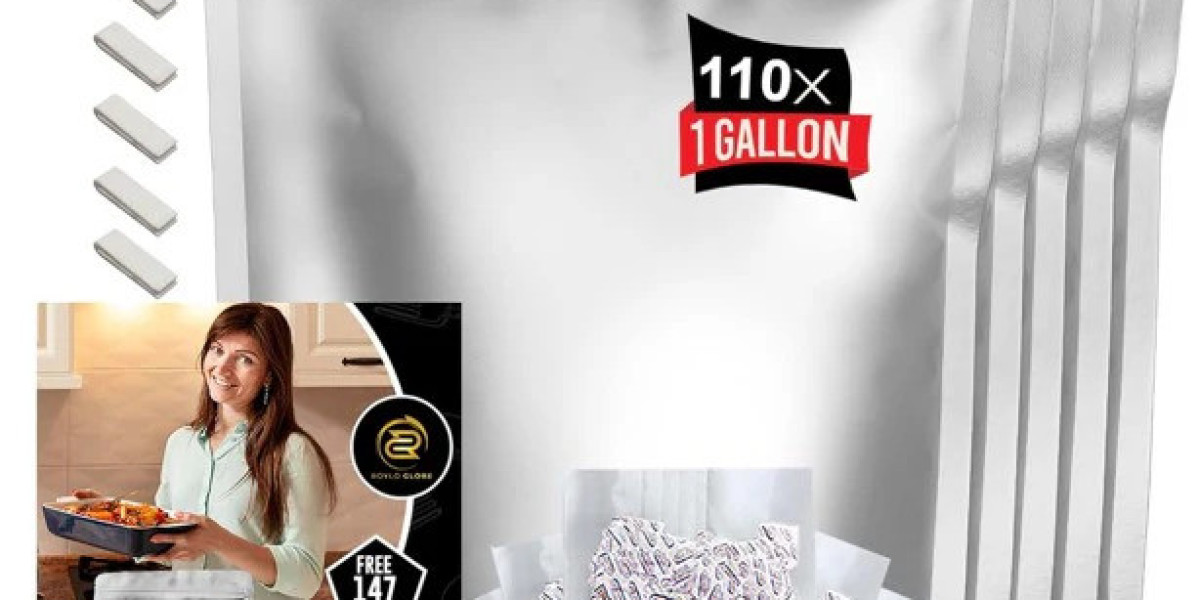

Oxygen absorbers are one of the most important tools in long-term food storage. They remove oxygen inside sealed containers and help dry foods last for many years. When used with 1 gallon mylar bags, they keep food safe from mold, insects, and spoilage. That is why mylar bags with oxygen absorbers are so popular among preppers and bulk food buyers. But not every food should be stored this way. Some foods can actually become unsafe when oxygen is removed. Others spoil faster because of their natural oils or moisture.
This guide explains what foods cannot be used with oxygen absorbers and why. If you want the safest and most successful food storage plan, these rules are important to follow. And when you need strong packaging for the right foods, brands like Roylo Globe offer reliable Mylar storage supplies for peace of mind.
Why Some Foods Cannot Be Stored with Oxygen Absorbers
To understand the risks, you need to know how oxygen absorbers work. They remove oxygen by turning it into a harmless form of iron oxide. This creates a low-oxygen environment. While perfect for dry food, low-oxygen environments can increase danger with certain foods.
Foods that cannot be stored with oxygen absorbers usually have:
✔ More than 10% moisture
✔ High oil content
✔ Natural resistance to oxygen exposure
If food has too much moisture, harmful bacteria can form without oxygen. If food has oils, it can go rancid even without air. And some foods simply don’t need oxygen removal at all.
The sections below list the foods you should completely avoid storing with oxygen absorbers.
1️⃣ Moist Foods (Risk of Botulism)
The biggest danger in low-oxygen storage is botulism. It forms when moisture exists and oxygen is removed. Botulism is deadly and impossible to detect by smell or taste.
These foods have too much moisture:
Soft dehydrated fruits
Jerky that is still chewy
Fresh herbs
Breads, baked goods, and tortillas
Cheese or cheese powder with milk fat
Moist snacks or chewy candy
If food feels sticky or bends easily, it likely has high moisture. Moisture above 10% means never store it in Mylar with oxygen absorbers.
Safe storage alternative:
Freeze, refrigerate, or use airtight containers.
2️⃣ High-Fat Foods (Rancidity Risk)
Oil inside food breaks down over time. Removing oxygen does not stop this. Even in 1 gallon mylar bags, fats turn rancid and make food smell bad, taste bitter, and lose nutrition.
Avoid using oxygen absorbers for:
Nuts (almonds, peanuts, cashews, pistachios)
Seeds (pumpkin, sunflower, flax)
Brown rice (because of oily bran layer)
Whole wheat flour
Coconut flakes or coconut flour
Granola or energy bars
These foods simply are not meant for storage longer than a few months.
Safe storage alternative:
Freeze or rotate your supply often.
3️⃣ Sugar and Salt (No Benefit — Actually a Problem)
Sugar and salt do not spoil easily. They last forever with a normal seal. Removing oxygen can actually damage them.
White sugar becomes a hard brick
Salt causes chemical reactions inside the bag and can corrode absorbers
Do not use absorbers with:
Table salt
Sea salt
Iodized salt
White sugar
Powdered sugar
Brown sugar
Safe storage alternative:
Store in airtight jars or original packaging.
4️⃣ Foods with Added Oils (Processed Mixes)
Many packaged baking mixes contain oil. Even if the mix looks dry, the oil can spoil and ruin the whole bag. These foods are unstable without refrigeration.
Do not use oxygen absorbers with:
Pancake mix
Cake mix
Muffin mix
Cookie mix
Boxed baking kits with fats or dairy additives
Safe storage alternative:
Use store-bought packaging and rotate stock quickly.
5️⃣ Spices with Natural Oil Content
Some spices contain essential oils. These oils lose flavor or spoil faster in low-oxygen environments. Mylar bags can cause the texture and taste to break down.
Avoid storing long-term:
Garlic powder
Onion powder
Paprika
Chili seasoning
Curry blends
Safe storage alternative:
Store in glass jars and refresh often.
6️⃣ Brown Rice and Whole Oily Grains
Brown rice has an oily shell. It spoils much faster than white rice, even inside Mylar bags. Other whole oily grains have the same problem.
Do not use absorbers with:
Brown rice
Wild rice
Quinoa (unwashed)
Whole oats with bran oils
These foods last months, not decades.
Safe storage alternative:
Freeze for long-term use.
Why These Foods Don’t Work: Quick Chart
| Food Type | Main Problem | Result |
|---|---|---|
| Moist foods | Botulism growth | Deadly food poisoning |
| Oils/fats | Rancidity | Bad smell and taste |
| Sugars & salts | Chemical reaction | Hard or damaged food |
| Spiced oils | Flavor loss | Poor quality over time |
| Whole grains with oil | Fast spoilage | Short shelf life |
You can see that all issues come from moisture and oil. Those two things are the enemies of long-term storage.
Foods Safe to Use With Oxygen Absorbers
Here is what you can store long-term in mylar bags with oxygen absorbers:
| Food Type | Shelf Life |
|---|---|
| White rice | 20–30 years |
| Pasta | 10–15 years |
| Wheat berries | 20–30 years |
| Dry beans | 10–25 years |
| Corn (dry) | 10–20 years |
| Rolled oats | 10–20 years |
| Freeze-dried food (fully dry) | 20–30 years |
| Powdered milk (low-fat) | 10–20 years |
These foods are dry + low-fat. That is the perfect combination.
How to Store the Right Foods Safely
To get the best results:
✔ Use thick Mylar bags (like Roylo Globe bags)
✔ Pick food with less than 10% moisture
✔ Use the correct oxygen absorber size
✔ Seal tightly after adding absorber
✔ Store in a cool, dark place
✔ Label dates on each 1 gallon mylar bag
With the right supplies and the right food, storage becomes safe and easy.
Why Choose Roylo Globe Mylar Bags?
Quality matters. Thin Mylar bags can leak air and ruin your food. Roylo Globe offers strong, food-grade Mylar supplies that hold up for years of storage.
Benefits:
Premium thickness for durability
Perfect pairing with oxygen absorbers
Reliable sizes like 1 gallon mylar bags for pantry organization
Tested and trusted for survival storage
Light-proof and tear-resistant
Smart storage starts with good packaging.
Final Thoughts
Oxygen absorbers are amazing when used correctly. They help dry foods last decades. But if you pair them with the wrong foods — especially oily or moist foods — the results can be dangerous. Spoilage, rancidity, and botulism are major risks.
To keep your family safe:
Stick to dry, low-fat foods
Avoid moisture-rich foods
Never use absorbers with sugar or salt
Choose reliable bags like Roylo Globe Mylar products
The right knowledge helps you build a food supply that lasts. Store the right foods, seal them properly, and enjoy peace of mind for years.