
A bright smile is often associated with confidence, good hygiene, and overall well being. Over time, teeth can become stained due to food, beverages, smoking, and natural aging. This has led many individuals to explore teeth whitening treatment options that can restore a radiant appearance. With advancements in dental care, there are several methods available to suit different needs, preferences, and budgets. Understanding these options helps individuals make informed decisions about achieving a whiter, healthier looking smile.
Understanding Teeth Discoloration
Extrinsic vs Intrinsic Stains
Teeth discoloration can be categorized into extrinsic and intrinsic stains. Extrinsic stains occur on the surface of the teeth and are typically caused by substances like coffee, tea, wine, and tobacco. These stains are easier to treat and often respond well to standard whitening methods. Intrinsic stains, on the other hand, develop within the tooth structure and may result from aging, trauma, or certain medications. These deeper stains often require more advanced whitening procedures to achieve noticeable results.
Causes of Tooth Staining
Several factors contribute to tooth discoloration. Diet plays a major role, especially when consuming dark colored foods and beverages regularly. Poor oral hygiene allows plaque and stains to accumulate over time. Smoking and tobacco use are also significant contributors to yellowing teeth. Additionally, genetics and age can influence the natural color of teeth. Understanding these causes can help individuals choose the most suitable whitening approach and maintain long lasting results.
Professional In Office Whitening
How It Works
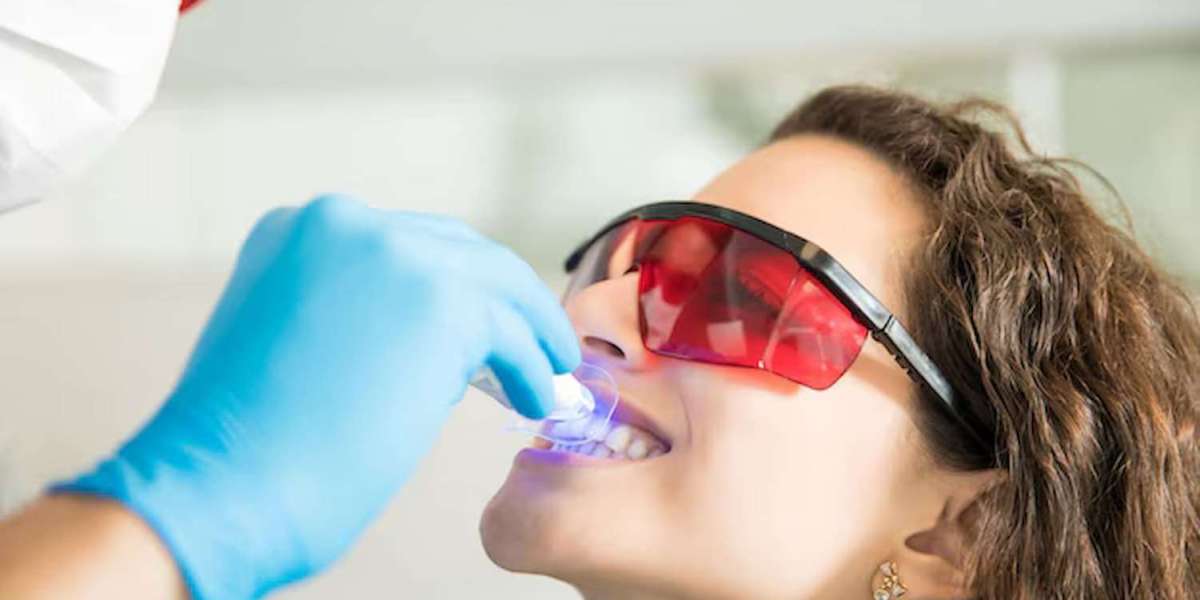
In office whitening is performed by dental professionals using high concentration bleaching agents. This method often involves applying a protective barrier to the gums before placing the whitening gel on the teeth. A special light or laser may be used to activate the gel and accelerate the whitening process. The procedure typically takes about one hour and delivers immediate and noticeable results, making it a popular choice for those seeking quick improvements.
Benefits and Considerations
One of the main advantages of in office whitening is its effectiveness. It can significantly lighten teeth in a single session. The procedure is also carefully monitored by professionals, reducing the risk of sensitivity or gum irritation. However, it is usually more expensive than other methods. Some individuals may experience temporary sensitivity after treatment, but this typically subsides within a few days. This option is ideal for individuals seeking fast and reliable results.
At Home Whitening Kits from Dentists
Custom Tray Systems
Dentist provided at home whitening kits use custom fitted trays designed to fit an individual’s teeth perfectly. These trays are filled with a professional grade whitening gel and worn for a specified period each day. The treatment duration can range from a few days to a couple of weeks, depending on the desired level of whitening. This method offers a balance between effectiveness and convenience.
Advantages of Professional Kits
Custom trays ensure even distribution of the whitening gel, leading to more consistent results. Since the trays are tailored to the individual, there is less risk of the gel coming into contact with the gums. These kits are also more effective than over the counter options due to the higher concentration of active ingredients. Although results take longer compared to in office treatments, they are often more gradual and natural looking.
Over the Counter Whitening Products
Whitening Toothpaste and Strips
Over the counter products such as whitening toothpaste and strips are widely available and easy to use. Whitening toothpaste contains mild abrasives that help remove surface stains. Whitening strips are coated with a thin layer of bleaching agent and applied directly to the teeth for a specified duration. These options are affordable and convenient, making them a popular choice for mild discoloration.
Limitations and Effectiveness
While over the counter products can improve the appearance of teeth, they are generally less effective than professional treatments. Results may take longer to become noticeable, and they may not be suitable for deeper stains. Improper use of these products can also lead to uneven whitening or increased sensitivity. It is important for individuals to follow instructions carefully and manage expectations when using these methods.
Natural and DIY Whitening Methods
Common Home Remedies
Some individuals prefer natural or DIY approaches to whitening their teeth. Popular methods include using baking soda, hydrogen peroxide, or oil pulling with coconut oil. These remedies are often perceived as safer and more affordable alternatives. They may help remove minor surface stains and improve overall oral cleanliness when used correctly.
Risks and Precautions
Despite their popularity, natural methods should be approached with caution. Excessive use of abrasive substances like baking soda can damage tooth enamel. Similarly, improper use of hydrogen peroxide can irritate gums and lead to sensitivity. These methods may not provide significant whitening results compared to professional treatments. Consulting a dental professional before trying DIY solutions can help prevent potential damage.
Laser Teeth Whitening
Procedure Overview
Laser teeth whitening is an advanced cosmetic procedure that enhances the effectiveness of traditional bleaching methods. During the treatment, a whitening gel is applied to the teeth and activated using a laser. This process accelerates the breakdown of stains and enhances the whitening effect. The procedure is typically completed in a single session and delivers dramatic results.
Pros and Cons
Laser whitening offers fast and highly noticeable results, making it suitable for individuals preparing for special events. The precision of the laser ensures even whitening across all teeth. However, this method can be more expensive than other options. Some individuals may experience temporary sensitivity after the procedure. It is essential to weigh the benefits against the cost and potential side effects before choosing this treatment.
Whitening for Sensitive Teeth
Specialized Formulas
For individuals with sensitive teeth, there are whitening options specifically designed to minimize discomfort. These products contain lower concentrations of bleaching agents and often include desensitizing ingredients such as potassium nitrate or fluoride. These formulations help reduce sensitivity while still providing gradual whitening results.
Tips for Managing Sensitivity
Managing sensitivity during whitening treatments involves several strategies. Using a soft bristled toothbrush and avoiding extremely hot or cold foods can help reduce discomfort. Shortening the duration of whitening sessions may also be beneficial. Consulting a dental professional for personalized recommendations ensures that the whitening process is both safe and comfortable for individuals with sensitive teeth.
Maintaining Whitening Results
Oral Hygiene Practices
Maintaining the results of whitening treatments requires consistent oral hygiene. Brushing twice a day, flossing regularly, and using mouthwash can help prevent the buildup of stains. Regular dental checkups also play a crucial role in preserving a bright smile. Good oral care habits ensure that the effects of whitening treatments last longer.
Lifestyle Adjustments
Certain lifestyle changes can significantly extend the results of whitening treatments. Reducing the consumption of staining foods and beverages such as coffee and red wine is highly recommended. Quitting smoking or tobacco use can also prevent discoloration. Drinking water after meals and using a straw for beverages can minimize contact with teeth, helping maintain their whiteness over time.
Choosing the Right Whitening Treatment
Factors to Consider
Selecting the most suitable whitening treatment depends on several factors, including the severity of discoloration, budget, and personal preferences. Individuals with deep stains may benefit more from professional treatments, while those with mild discoloration may find over the counter options sufficient. Consulting a dental professional can help determine the most effective approach based on individual needs.
Importance of Professional Guidance
Professional guidance ensures that whitening treatments are safe and effective. Dental professionals can assess oral health, identify the type of stains, and recommend the most appropriate method. They can also monitor progress and address any concerns that arise during the treatment process. Seeking expert advice reduces the risk of complications and enhances overall results.
Conclusion
Teeth whitening treatments have evolved to offer a wide range of options for individuals seeking a brighter smile. From professional in office procedures to at home kits and natural remedies, each method has its own benefits and considerations. Understanding the differences between these treatments allows individuals to make informed decisions based on their specific needs and expectations. With proper care and guidance, achieving and maintaining a radiant smile is entirely possible. For those looking for expert dental support and advanced solutions, Clove Dental santa monica provides reliable care and personalized treatment options.
Click here to discover quality dental services in Santa Monica.









