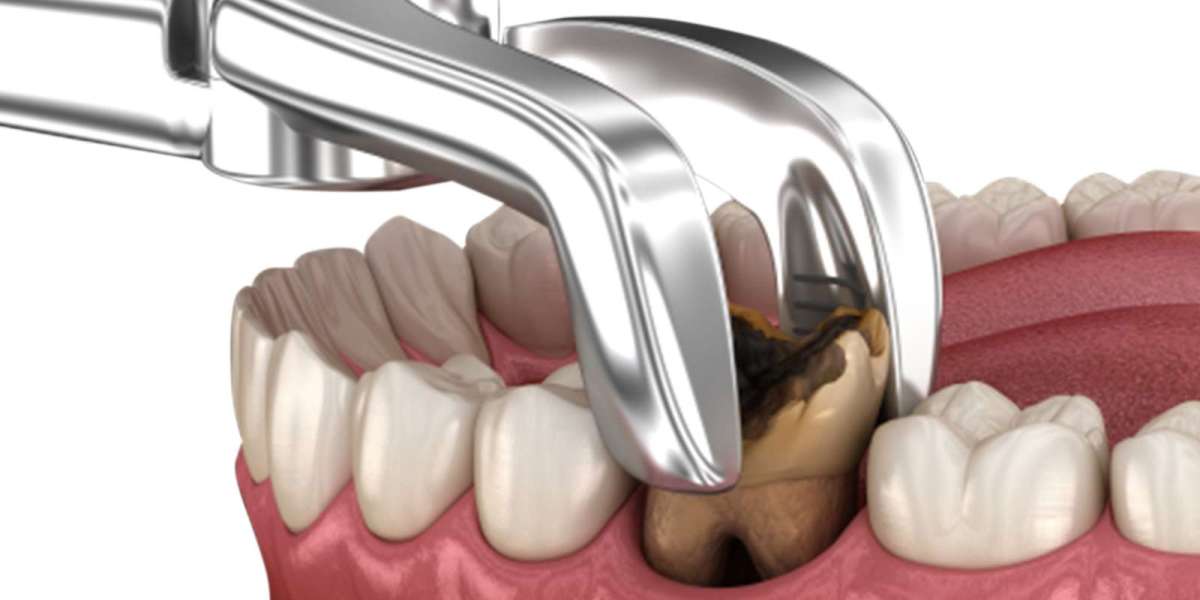

After tooth extraction treatment, proper nutrition plays a crucial role in supporting healing, minimizing discomfort, and preventing complications. Choosing the right foods while avoiding those that could irritate the extraction site helps protect the blood clot, reduce inflammation, and promote faster recovery.
Why Diet Matters After Tooth Extraction?
The Tooth Extraction in Dubai site is sensitive and vulnerable in the days following the procedure. Eating the wrong foods can dislodge the protective blood clot, cause pain, or introduce bacteria that increase the risk of infection. Conversely, a soft, nutrient-rich diet supports tissue repair, reduces swelling, and maintains energy levels for optimal healing.
Best Foods to Eat After Extraction:
Soft foods are ideal during the initial recovery period. Yogurt, mashed potatoes, applesauce, soups, scrambled eggs, and smoothies provide essential nutrients without irritating the extraction site. These foods are easy to chew, gentle on the gums, and help maintain hydration.
Cold or lukewarm foods can also soothe tenderness and reduce swelling. Protein-rich options like mashed beans or soft tofu support tissue repair, while fruits and vegetables in pureed form supply vitamins that promote healing and boost immunity.
Hydration and Its Role in Recovery:
Drinking plenty of water is essential after tooth extraction treatment. Hydration helps maintain saliva production, which naturally cleanses the mouth and prevents bacterial buildup. Herbal teas or diluted fruit juices can also provide fluids and nutrients, but they should not be hot or acidic to avoid irritating the extraction site.
Patients should avoid using straws, as suction can dislodge the blood clot and cause dry socket.
Foods to Avoid During Recovery:
Certain foods and beverages can hinder healing or irritate the extraction site. Hard, crunchy items like chips, nuts, and raw vegetables can damage the gums. Sticky foods such as caramel or chewing gum may get trapped in the socket and increase infection risk.
Spicy, acidic, or very hot foods can cause discomfort and inflammation, while carbonated drinks can disturb the blood clot. Alcohol should also be avoided, as it can delay healing and interact with any prescribed medications.
Gradually Returning to a Normal Diet:
As the extraction site heals, patients can slowly reintroduce solid foods. Begin with soft, easy-to-chew items and monitor comfort levels. Gradually adding more texture and variety allows the gums and bone to adapt without causing irritation or pain.
Following your dentist’s guidance on dietary progression ensures the extraction site heals safely and supports long-term oral health.
Tips for Safe Eating Habits:
Eating slowly and chewing on the side opposite the extraction site helps protect the wound. Avoid pressing on the area with the tongue or fingers, and maintain gentle oral hygiene after meals to remove food debris from surrounding teeth.
Small, frequent meals can help maintain energy levels and provide consistent nutrients that support healing without overloading the extraction site.
Supporting Overall Recovery Through Nutrition:
A balanced diet rich in protein, vitamins, and minerals accelerates tissue repair and strengthens immunity. Incorporating foods high in vitamin C, calcium, and zinc supports gum and bone healing, while soft carbohydrates supply energy. Avoiding foods that disrupt healing or introduce bacteria reduces the risk of complications and promotes a smooth recovery process.
Final Thoughts on Diet After Tooth Extraction:
What you eat and what you avoid after Tooth Extraction Treatment directly impacts healing, comfort, and long-term oral health. Soft, nutrient-rich foods and proper hydration support tissue repair and minimize discomfort, while avoiding hard, sticky, spicy, or acidic foods prevents complications such as dry socket or infection.
By following these dietary guidelines and gradually returning to a regular diet, patients can ensure faster recovery, maintain oral health, and enjoy a smoother, more comfortable healing process.