
Tooth loss can affect everyday activities such as eating, speaking, and smiling. Modern dentistry offers several solutions to replace missing teeth, including bridges, dentures, and implant-based restorations. Among these options, Dental Implants are widely recognised for their ability to restore both the function and appearance of natural teeth.
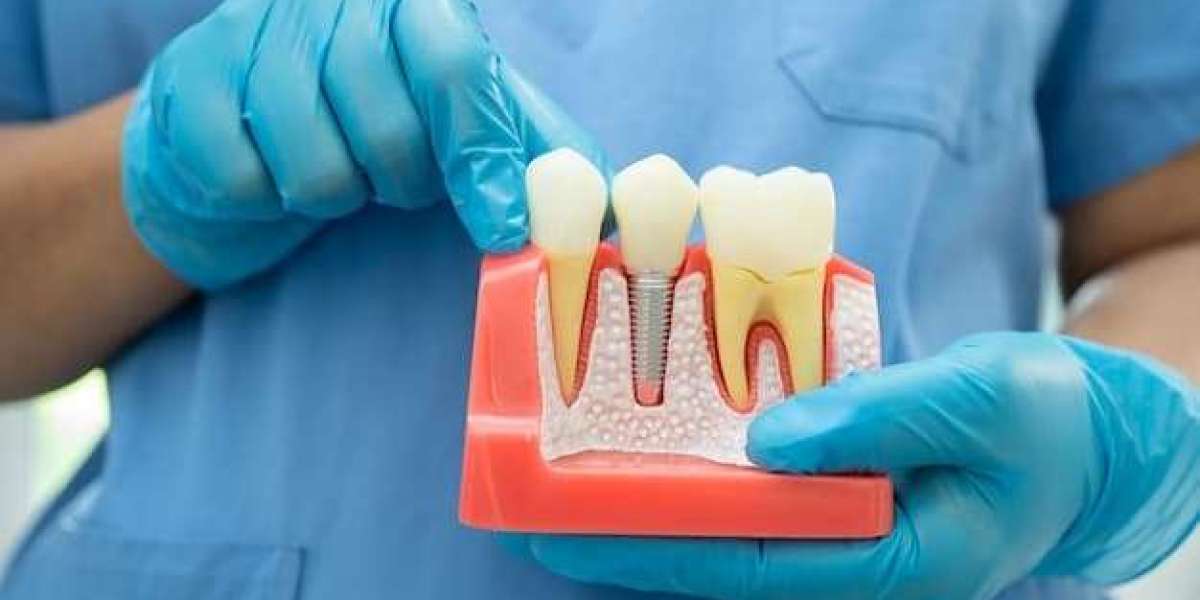
Unlike removable appliances, Dental Implants are designed to replace the root of the missing tooth as well as the visible crown. This structure allows the replacement tooth to function in a way that closely resembles natural teeth.
For many patients, this design makes implants feel more stable and comfortable than other tooth replacement methods.
Replacing the Entire Tooth Structure
A natural tooth has two main parts. The crown is the visible portion above the gum line, and the root sits within the jawbone, supporting the tooth during chewing.
Most traditional tooth replacements restore only the visible part of the tooth. Dental Implants, however, replace both the root and the crown.
The implant post is placed into the jawbone, where it functions as an artificial root. After healing occurs, a crown is attached to the implant to replace the visible tooth.
Because Dental Implants replicate the structure of a natural tooth, they provide support and stability that closely matches natural dental function.
Stability During Daily Activities
One reason Dental Implants feel natural is their stability. Removable dentures rest on top of the gums and may move slightly when chewing or speaking.
Implants are anchored within the jawbone, which keeps them firmly in place. This fixed position allows patients with Dental Implants to chew food and speak with confidence.
The stability provided by implants also allows biting forces to be distributed through the jawbone, similar to the way natural teeth function.
This ability to handle normal chewing forces contributes to the natural feel of implant-supported teeth.
Supporting Jawbone Health
Natural tooth roots stimulate the jawbone during chewing. When a tooth is lost, this stimulation disappears, and the surrounding bone may gradually shrink.
Dental Implants help address this issue because the implant post functions as a replacement root. When pressure is applied during chewing, the implant transfers that force to the jawbone.
This stimulation helps maintain bone density in the area where the tooth was lost.
By preserving bone structure, Dental Implants help maintain the natural shape of the jaw and support long-term oral health.
Protecting Surrounding Teeth
Some tooth replacement methods rely on neighbouring teeth for support. For example, traditional dental bridges may require adjacent teeth to be reshaped to hold the bridge in place.
Dental Implants do not depend on surrounding teeth for support. Instead, they function independently within the jawbone.
This design allows nearby teeth to remain unchanged. Maintaining natural tooth structure helps protect the health and strength of surrounding teeth.
Because implants stand on their own, they also help maintain proper spacing between teeth.
Natural Appearance
The visible crown placed on Dental Implants is designed to match the shape and colour of natural teeth. Dental laboratories create these crowns to blend with the surrounding teeth.
As a result, implant-supported restorations often appear similar to natural teeth when smiling or speaking.
The gum tissue around the implant also adapts to the crown, helping it look like part of the natural dental structure.
This combination of natural appearance and stable function contributes to the overall realistic result.
Comfort and Everyday Convenience
Another reason patients often describe Dental Implants as natural is the level of comfort they provide. Because the implant is fixed in place, it does not shift or rub against the gums like removable dentures may.
Patients typically care for Dental Implants in the same way they care for natural teeth. Daily brushing, cleaning between teeth, and regular dental visits help maintain healthy gums around the implant.
This familiar routine allows patients to treat their implant-supported tooth much like any other tooth in the mouth.
The ability to maintain normal oral care habits contributes to the natural feel of implants.
Long-Term Function
With proper care, Dental Implants are designed to function for many years. The implant post bonds with the jawbone through a process known as osseointegration, creating a stable foundation.
This stability allows the implant to support normal chewing and speaking functions over time.
While the crown attached to the implant may eventually require replacement, the implant itself can remain stable for many years when the surrounding gums and bone remain healthy.
The durability of Dental Implants makes them a reliable long-term option for replacing missing teeth.
Final Thoughts
Replacing missing teeth involves restoring both function and appearance. By replacing the root and the visible crown of a tooth, Dental Implants provide a solution that closely resembles natural teeth.
Their stability, ability to support jawbone health, and natural appearance contribute to their reputation as a natural tooth replacement option.
Through proper planning and ongoing oral care, Dental Implants can help restore everyday comfort and maintain oral health for many years.