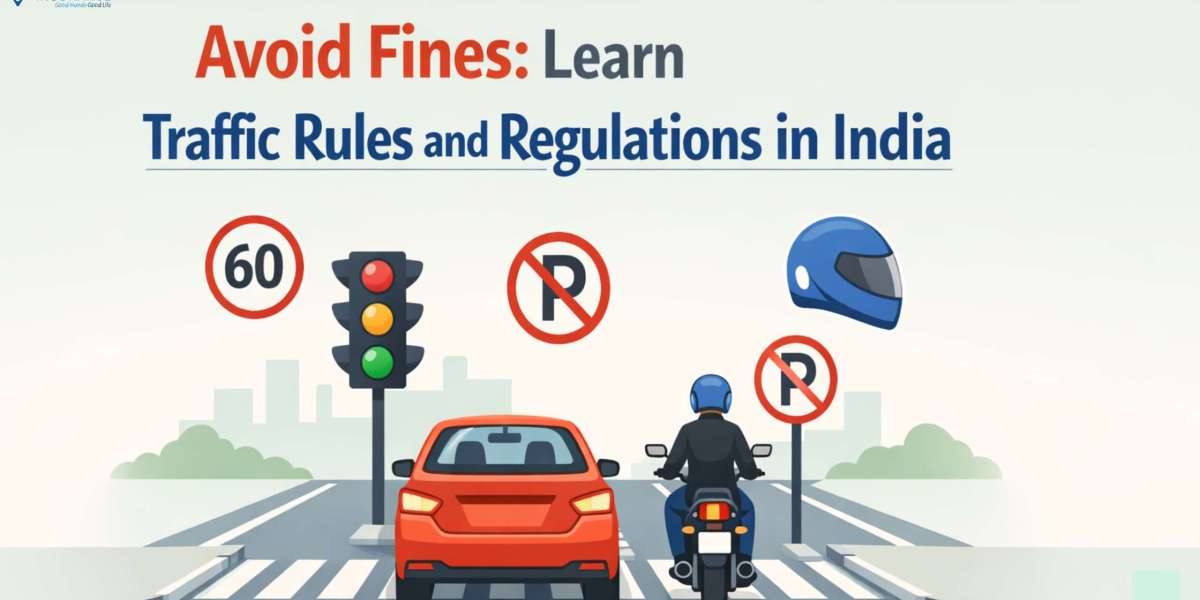

Traffic rules and regulations in India are designed to ensure road safety, maintain order, and reduce accidents. However, many motorists often overlook these laws, leading to heavy penalties and legal complications. With stricter enforcement under the Motor Vehicles Act, even minor violations can result in significant fines. Understanding and following these traffic rules is not only essential to avoid penalties but also crucial for ensuring personal and public safety.
Importance of Traffic Rules in India
India has one of the largest road networks in the world, with millions of vehicles plying daily. Traffic rules play a critical role in:
- Preventing road accidents and fatalities
- Ensuring smooth traffic flow
- Promoting responsible driving behavior
- Protecting pedestrians and cyclists
With increasing urbanization and vehicle ownership, adherence to these regulations has become more important than ever.
Key Traffic Rules and Regulations in India
1. Mandatory Driving License
Driving any vehicle without a valid driving license is illegal. Always carry your license while driving. Digital copies stored in government-approved apps are also accepted.
2. Registration Certificate (RC)
Every vehicle must be registered with the Regional Transport Office (RTO). Driving without a valid RC can lead to penalties.
3. Motor Insurance is Compulsory
Third-party motor insurance is mandatory for all vehicles in India. Driving without insurance can result in fines and legal action. Comprehensive insurance provides additional financial protection against damages.
4. Obey Traffic Signals
Ignoring traffic lights is one of the most common violations. Jumping a red light can attract hefty fines and may also lead to accidents.
5. Wearing Seat Belts
Seat belts are mandatory for both the driver and front-seat passengers. In many states, rear passengers are also required to wear seat belts.
6. Helmet for Two-Wheeler Riders
Both the rider and pillion passenger must wear helmets. Non-compliance can result in fines and even license suspension in some cases.
7. Speed Limits
Every road has designated speed limits based on location and vehicle type. Overspeeding is a serious offense and is monitored through speed cameras and traffic police.
8. No Drunk Driving
Driving under the influence of alcohol or drugs is strictly prohibited. It not only attracts heavy penalties but can also lead to imprisonment.
9. No Mobile Phone Usage While Driving
Using a mobile phone while driving is dangerous and illegal. Even hands-free usage can be risky if it distracts the driver.
10. Follow Lane Discipline
Lane cutting and improper overtaking are major causes of accidents. Always drive within your designated lane and follow road markings.
Updated Traffic Fines in India
The Motor Vehicles (Amendment) Act has significantly increased penalties to enforce stricter compliance. Some common fines include:
- Driving without a license: ₹5,000
- Drunk driving: ₹10,000 and/or imprisonment
- Not wearing a helmet: ₹1,000
- Not wearing a seat belt: ₹1,000
- Using a mobile phone while driving: ₹5,000
- Overspeeding: ₹1,000 to ₹2,000 (depending on vehicle type)
These fines may vary slightly depending on the state, but the intent remains the same—ensuring safer roads.
Traffic Signs You Must Know
Understanding traffic signs is essential for safe driving. They are categorized into:
1. Mandatory Signs
These must be followed strictly, such as “Stop,” “No Entry,” and “Speed Limit.”
2. Cautionary Signs
These warn drivers about potential hazards like curves, intersections, or pedestrian crossings.
3. Informatory Signs
These provide useful information such as directions, fuel stations, hospitals, etc.
Ignoring these signs can lead to both penalties and accidents.
Role of Technology in Traffic Enforcement
India has adopted digital solutions to improve traffic management:
E-challan system: Automatically generates fines for violations
CCTV surveillance: Monitors traffic in real-time
Speed cameras: Detect overspeeding vehicles
Online portals: Allow easy payment of fines
These advancements ensure transparency and reduce manual intervention.
Tips to Avoid Traffic Fines
Following simple practices can help you stay compliant:
- Always carry valid documents (DL, RC, insurance, PUC)
- Follow speed limits and traffic signals
- Avoid distractions while driving
- Regularly check your vehicle’s condition
- Stay updated with new traffic rules
- Use seat belts and helmets without exception
Being a responsible driver not only saves money but also protects lives.
Why Following Traffic Rules Matters for Insurance
Traffic violations can impact your motor insurance in several ways:
- Frequent violations may increase insurance premiums
- Serious offenses can lead to claim rejection
- Safe driving helps maintain a good driving record
Insurance companies assess risk based on your driving behavior, making compliance even more important.
Frequently Asked Questions (FAQs)
Q1. What documents should I carry while driving in India?
You must carry your driving license, registration certificate (RC), valid insurance policy, and pollution under control (PUC) certificate.
Q2. Can I show digital documents to traffic police?
Yes, digital documents stored in government-approved apps are legally valid.
Q3. What happens if I don’t pay a traffic challan?
Failure to pay a challan can lead to legal action, increased penalties, or even suspension of your driving license.
Q4. Is helmet mandatory for pillion riders?
Yes, both the rider and pillion passenger must wear helmets.
Q5. How can I check my traffic challan online?
You can check your challan status through official government portals using your vehicle number or driving license details.
Q6. Does traffic violation affect car insurance?
Yes, repeated violations may impact your premium and claim approval.
Conclusion
Traffic rules and regulations in India are not just legal requirements, they are essential for ensuring road safety and saving lives. With stricter laws and higher penalties, staying informed and compliant is more important than ever. Responsible driving habits, proper documentation, and awareness of rules can help you avoid unnecessary fines and legal troubles.
When it comes to protecting your vehicle and staying financially secure on the road, Square Insurance plays a vital role by offering reliable and comprehensive motor insurance solutions tailored to your needs.
Please Note: Manage your policies easily with Square Insurance POS Apps on Google Play, accessible online anytime and anywhere.









