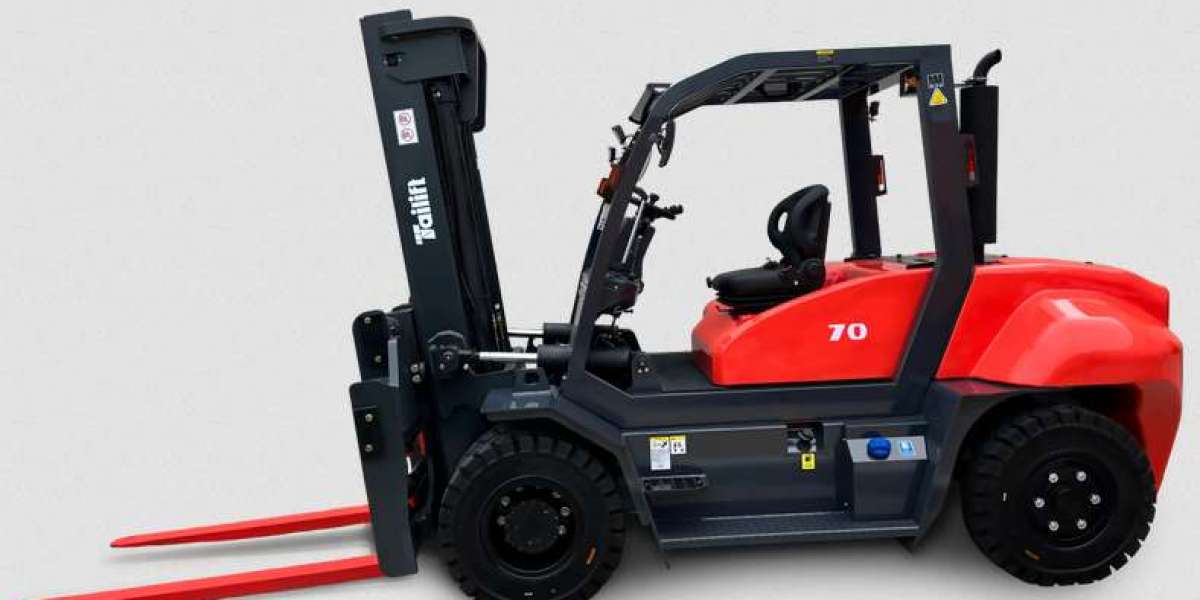

Construction sites require strong and reliable equipment to move heavy materials across uneven ground and challenging outdoor environments. One of the most valuable machines used for this purpose is the rough terrain forklift, which is specifically designed to operate on surfaces that standard forklifts cannot handle. These forklifts are built with large tires, powerful engines, and reinforced frames that allow them to navigate muddy, rocky, and uneven construction sites. Contractors and construction companies rely on these machines to transport building materials such as bricks, steel, wood, and concrete across job sites safely and efficiently. By providing stability and strong lifting capabilities in difficult environments, rough terrain forklifts help construction teams maintain productivity and complete projects more efficiently.
Understanding Rough Terrain Forklifts
Rough terrain forklifts are specialized material handling machines designed for outdoor use on uneven and rugged surfaces. They are commonly used in construction, agriculture, and industrial environments where standard forklifts cannot operate effectively.
Design Built for Outdoor Conditions
Rough terrain forklifts are built with heavy duty frames and large pneumatic tires that allow them to move easily across dirt, gravel, mud, and other rough surfaces. These tires provide strong traction and stability even when the ground conditions are unpredictable.
The powerful engine used in these machines allows them to lift and transport heavy materials while maintaining consistent performance. Their elevated ground clearance helps prevent the equipment from getting stuck when traveling over uneven terrain.
These design features make rough terrain forklifts highly suitable for outdoor construction environments where durability and strength are essential.
Difference From Standard Forklifts
Standard forklifts are typically designed for indoor warehouse environments with smooth floors. They often struggle when used on uneven surfaces or outdoor construction sites.
Rough terrain forklifts are specifically engineered to handle these challenging environments. Their wider wheelbase and strong suspension systems help maintain balance when carrying heavy loads on unstable ground.
Because of these differences, construction companies prefer rough terrain forklifts for outdoor material handling tasks that require both strength and mobility.
Importance of Material Handling in Construction
Efficient material handling is essential for maintaining productivity on construction sites. Moving heavy materials manually can slow down operations and increase the risk of injuries.
Supporting Construction Workflows
Construction projects involve the movement of large quantities of building materials such as concrete blocks, steel beams, lumber, and equipment. Rough terrain forklifts help transport these materials quickly from storage areas to active work zones.
By reducing the need for manual lifting and carrying, these machines help workers focus on more specialized construction tasks. This improves overall workflow efficiency and helps projects stay on schedule.
Reliable material transportation also ensures that construction teams always have the materials they need at the right time.
Reducing Labor Intensive Tasks
Manual material handling can place significant physical strain on construction workers. Rough terrain forklifts reduce this burden by performing the heavy lifting required on job sites.
Workers can load materials onto pallets and transport them using the forklift instead of carrying them manually. This reduces fatigue and helps maintain consistent productivity throughout the workday.
Less physical strain also contributes to improved workplace safety and reduced injury risks.
Moving Building Materials Across Job Sites
One of the most common applications of rough terrain forklifts in construction is transporting building materials across large job sites.
Handling Heavy Construction Materials
Construction projects require the movement of heavy materials such as cement bags, stone blocks, metal structures, and wooden beams. Rough terrain forklifts are capable of lifting and transporting these materials safely.
Their strong lifting capacity allows operators to move large loads with ease. This capability ensures that construction teams can transport materials efficiently even in demanding environments.
Handling heavy materials quickly helps maintain a steady construction pace and prevents delays.
Transporting Materials Over Uneven Ground
Construction sites rarely have smooth surfaces. Workers often deal with dirt roads, gravel paths, and muddy areas.
Rough terrain forklifts are designed to travel over these surfaces without losing stability. Their large tires provide strong grip and allow the machine to move safely across challenging terrain.
This mobility ensures that materials can be delivered directly to the required location without the need for additional transportation equipment.
Assisting With Structural Construction Tasks
Rough terrain forklifts also support various structural construction activities that require lifting and positioning materials at different heights.
Lifting Materials to Elevated Work Areas
During construction projects, materials often need to be lifted to higher levels such as scaffolding platforms or partially built structures. Rough terrain forklifts provide the lifting power needed to raise these materials safely.
Operators can place materials closer to the work area, reducing the time workers spend carrying them manually. This helps speed up construction tasks and improves overall efficiency.
The ability to lift materials to elevated areas also improves coordination between ground crews and workers performing tasks at height.
Supporting Equipment and Tool Transportation
In addition to building materials, construction sites require the movement of tools, equipment, and machinery. Rough terrain forklifts can transport these items across the site quickly and efficiently.
Workers can use pallets or attachments to carry multiple tools or equipment pieces in a single trip. This reduces the time spent moving items manually across large construction areas.
Efficient equipment transportation helps keep construction teams organized and productive.
Improving Productivity on Construction Sites
The use of rough terrain forklifts plays a major role in improving productivity and operational efficiency on construction sites.
Faster Material Distribution
Construction projects require continuous access to materials at different work areas. Rough terrain forklifts help distribute materials quickly across the site.
Instead of waiting for manual transport, workers can receive the materials they need within a short period of time. This reduces delays and helps maintain a steady construction workflow.
Efficient material distribution allows construction teams to complete tasks faster and meet project deadlines.
Supporting Large Scale Construction Projects
Large construction projects often involve extensive material handling requirements. Rough terrain forklifts provide the strength and reliability needed to support these operations.
Their ability to handle heavy loads and travel across large job sites makes them essential for managing complex construction activities.
With proper equipment in place, construction companies can maintain high productivity levels throughout the project.
Enhancing Safety in Construction Environments
Construction sites can present many hazards, especially when heavy materials are involved. Rough terrain forklifts help reduce risks and create safer working conditions.
Stable Load Handling
Rough terrain forklifts are built to maintain stability even when lifting heavy materials on uneven surfaces. Their strong suspension systems and wide tires help keep the machine balanced.
This stability ensures that materials remain secure while being transported across the site. Operators can perform lifting tasks with greater confidence and control.
Proper load handling reduces the risk of materials falling or shifting during transportation.
Reducing Workplace Injuries
Using mechanical equipment for heavy lifting significantly reduces the risk of injuries caused by manual handling. Workers no longer need to carry heavy materials across difficult terrain.
Rough terrain forklifts allow construction teams to handle materials safely while minimizing physical strain. This helps create a safer working environment for everyone on the site.
Improved safety practices also help construction companies maintain compliance with workplace safety regulations.
Supporting Versatile Construction Applications
Rough terrain forklifts are versatile machines that can support a wide range of construction tasks.
Compatibility With Attachments
Many rough terrain forklifts can be equipped with attachments that expand their functionality. These attachments allow the machine to handle different types of materials and equipment.
For example, specialized attachments can be used to move pipes, construction panels, or irregular shaped materials. This versatility makes the forklift useful for various construction activities.
With the right attachments, a single machine can perform multiple tasks across the job site.
Adaptability to Different Construction Projects
Construction projects vary greatly depending on the type of building or infrastructure being developed. Rough terrain forklifts can adapt to these different environments.
Whether working on residential buildings, commercial structures, or infrastructure projects, these machines provide reliable support for material handling tasks.
Their adaptability makes them valuable assets for construction companies handling diverse project requirements.
Conclusion
Rough terrain forklifts play a critical role in construction environments where heavy materials must be transported across uneven surfaces and challenging outdoor conditions. Their strong lifting capacity, durable design, and ability to operate on rough ground make them essential for modern construction projects. By improving material transportation, supporting structural tasks, and enhancing workplace safety, these machines help construction teams complete projects more efficiently and effectively.
For businesses seeking reliable material handling equipment and expert support, Tailift Material Handling USA Inc provides trusted solutions and professional guidance for construction and industrial operations.