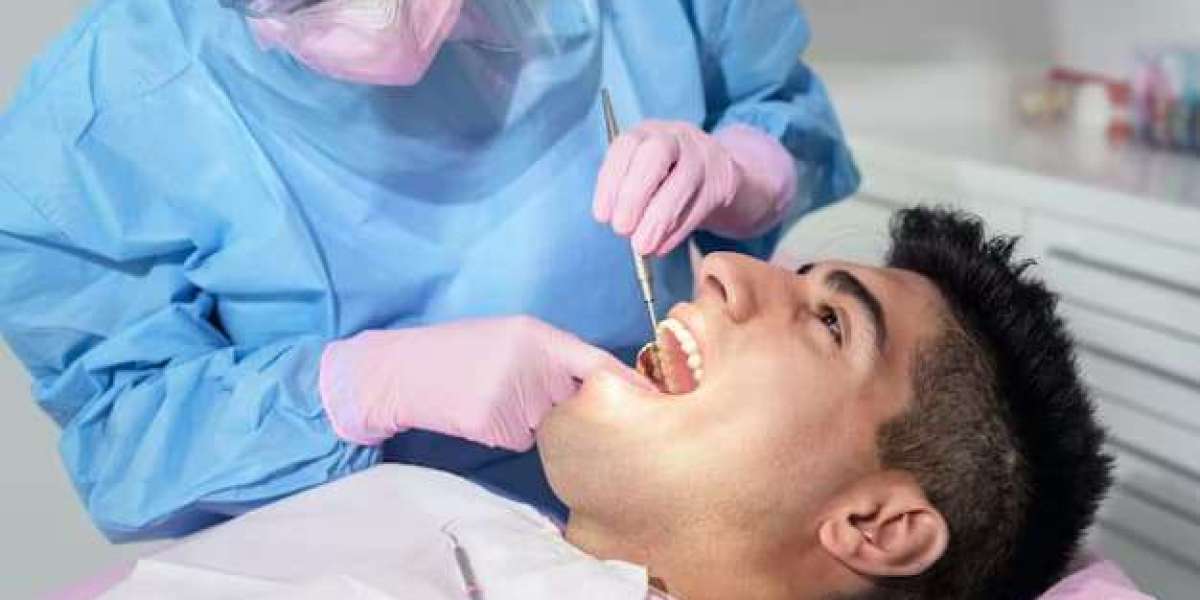

Oral health professionals play an important role in identifying early signs of serious conditions that may affect the mouth and surrounding tissues. One of the most valuable preventive procedures offered during routine dental visits is Oral Cancer Screening. This examination helps detect abnormal changes in the oral cavity that could indicate the presence of cancer or precancerous conditions. Early detection significantly improves treatment outcomes, making regular screenings an essential part of preventive dental care and overall health maintenance.
Understanding the Purpose of Oral Cancer Screening
Why Early Detection Matters
Oral cancer can develop in various parts of the mouth including the lips, tongue, cheeks, gums, and throat. In its early stages, the disease may not cause noticeable symptoms, which is why professional screening is essential. Dentists are trained to recognize subtle changes in oral tissues that may indicate early warning signs.
When oral cancer is detected early, treatment tends to be less invasive and more successful. Screening allows dental professionals to identify suspicious lesions or abnormalities before they become more serious. This proactive approach helps reduce the risk of advanced disease and supports better long term health outcomes for patients.
Who Should Receive Regular Screenings
Although oral cancer screening is beneficial for everyone, certain individuals may have a higher risk and should be especially attentive about regular evaluations. People who use tobacco products or consume alcohol frequently often face a higher likelihood of developing oral cancer.
Other risk factors include prolonged exposure to sunlight affecting the lips, human papillomavirus infections, and a family history of cancer. Dentists often recommend screenings as part of routine dental checkups to ensure that potential concerns are detected early regardless of a patient’s risk level.
Preparing for an Oral Cancer Screening
Patient Medical History Review
Before performing a screening, dentists typically begin by reviewing the patient’s medical and dental history. This step helps identify risk factors that may increase the likelihood of oral cancer. Questions may involve tobacco or alcohol use, previous diagnoses, family history, and recent symptoms such as persistent sores or unexplained pain.
Understanding the patient’s background enables the dentist to conduct a more focused examination. The information gathered helps guide the screening process and ensures that any potential concerns are thoroughly investigated.
Discussion of Symptoms or Concerns
Patients are often encouraged to share any unusual changes they have noticed in their mouth or throat. Symptoms such as difficulty swallowing, persistent mouth sores, lumps, or unexplained bleeding can provide valuable clues during the evaluation.
By discussing these concerns before the physical examination begins, dentists can better focus on specific areas that may require closer inspection. This collaborative communication between the patient and dental professional helps improve the effectiveness of the screening process.
Visual Examination of the Oral Cavity
Inspecting the Lips and Cheeks
The screening usually begins with a careful visual examination of the lips and inner cheeks. Dentists look for changes in color, texture, or the presence of unusual spots and lesions. White patches, red patches, or areas that appear thickened may indicate abnormal tissue changes that require further attention.
Using proper lighting and specialized dental tools, the dentist carefully observes each area of the mouth. This detailed inspection allows the professional to identify irregularities that may not be visible to patients during daily oral care routines.
Examining the Tongue and Floor of the Mouth
The tongue is another important area evaluated during oral cancer screening. Dentists may gently hold the tongue with a piece of gauze to move it from side to side, allowing them to inspect the entire surface and the tissue underneath.
The floor of the mouth is also examined because cancerous changes may develop in this area. By carefully observing these tissues, dental professionals can identify swelling, discoloration, or unusual growths that could indicate the need for further testing.
Physical Examination Through Palpation
Checking for Lumps and Tissue Changes
In addition to visual inspection, dentists perform a physical examination known as palpation. This involves gently feeling the tissues inside the mouth to detect lumps, thickened areas, or unusual masses.
Palpation helps identify abnormalities that may not be easily visible. By carefully assessing the texture and firmness of oral tissues, dentists can detect early signs of potential problems and recommend additional evaluation if necessary.
Examining the Jaw and Neck
Oral cancer screening also includes checking areas beyond the mouth itself. Dentists often examine the jawline, neck, and lymph nodes to detect swelling or tenderness that may indicate underlying concerns.
This step helps determine whether abnormal cells may have affected nearby tissues or lymphatic structures. Identifying these changes early allows healthcare professionals to recommend further diagnostic procedures and ensure prompt treatment if needed.
Use of Specialized Screening Tools
Light Based Detection Devices
Some dental offices use advanced screening technologies that help highlight abnormal cells in oral tissues. Special light based devices can illuminate the mouth and make suspicious areas more visible during the examination.
These tools allow dentists to detect subtle changes that may not be noticeable under regular lighting conditions. While these technologies do not replace traditional examination methods, they can enhance the dentist’s ability to identify early warning signs.
Oral Tissue Staining Techniques
Another method occasionally used during oral cancer screening involves applying a special dye to the tissues in the mouth. Abnormal cells may absorb the dye differently than healthy tissue, making suspicious areas easier to identify.
If a region appears to react differently to the stain, the dentist may recommend additional evaluation. This method can help highlight potential problem areas that require closer examination or monitoring.
Identifying Signs and Symptoms of Concern
Common Warning Signs
Dentists look for several warning signs during oral cancer screening. These may include persistent sores that do not heal, red or white patches, lumps in the mouth, or thickened areas of tissue. Difficulty swallowing or moving the tongue may also raise concern.
Other symptoms include numbness, unexplained bleeding, or changes in the way teeth fit together when biting. Recognizing these signs early helps dental professionals determine whether additional testing is necessary.
When a Biopsy May Be Recommended
If a suspicious lesion or abnormal tissue is discovered, the dentist may recommend a biopsy. This procedure involves removing a small sample of tissue so it can be examined under a microscope by a specialist.
A biopsy provides a definitive diagnosis and helps determine whether cancerous or precancerous cells are present. Early diagnosis allows healthcare providers to develop an appropriate treatment plan and improves the chances of successful recovery.
The Role of Routine Dental Visits
Incorporating Screening Into Regular Checkups
Oral cancer screening is often included as part of routine dental examinations. Because many people visit the dentist regularly for cleanings and checkups, dental professionals are in an excellent position to monitor oral health over time.
Regular screenings allow dentists to compare current observations with previous examinations. This ongoing monitoring helps detect changes early and ensures that patients receive timely care if any abnormalities appear.
Educating Patients About Prevention
Dentists also play a key role in educating patients about ways to reduce the risk of oral cancer. Advice may include avoiding tobacco products, limiting alcohol consumption, maintaining good oral hygiene, and protecting the lips from excessive sun exposure.
Patients may also be encouraged to perform self examinations at home. Becoming familiar with the normal appearance of oral tissues helps individuals recognize changes and seek professional evaluation when necessary.
What Patients Can Expect After Screening
Monitoring and Follow Up
In many cases, oral cancer screening does not reveal any concerning findings. When the examination appears normal, patients are encouraged to continue regular dental visits and maintain healthy habits that support oral wellness.
If a suspicious area is detected, the dentist may recommend monitoring the area for changes over time. Follow up visits allow the dental professional to determine whether the condition improves, remains stable, or requires further investigation.
Referral to Specialists if Necessary
If additional testing is required, the dentist may refer the patient to a specialist such as an oral surgeon or medical professional experienced in cancer diagnosis. These specialists can perform advanced diagnostic procedures and recommend appropriate treatment options.
Prompt referral ensures that patients receive comprehensive care and accurate diagnosis. Early intervention plays a significant role in improving treatment outcomes and protecting overall health.
Conclusion
Oral cancer screening is a vital preventive procedure that allows dentists to identify potential health concerns before they progress into more serious conditions. Through a combination of visual inspection, physical examination, and advanced diagnostic tools, dental professionals carefully evaluate the tissues of the mouth, neck, and surrounding areas. Regular screenings help detect abnormalities early and support timely treatment when necessary.
By incorporating oral cancer screening into routine dental visits, individuals can take an important step toward protecting their long term health and well being. For professional dental care and comprehensive preventive services, puridentistry provides patients with expertise and commitment they can trust, ensuring thorough evaluations and early detection of potential concerns. Regular checkups and screenings empower patients to maintain optimal oral health while addressing issues promptly before they develop into serious conditions.
Click here to explore personalized dental treatments in Oxnard.