
High Security Registration Plates, or HSRP plates, belong to that second category. They look simple at first glance: a metal plate with a number, maybe a hologram shining in the corner. Nothing dramatic. But behind that small change lies a bigger effort to improve vehicle identification, reduce fraud, and keep traffic systems running a little more smoothly.
And interestingly, once people understand what these plates are actually for, the update starts to feel less like bureaucracy and more like a sensible step forward.
The Old System Worked… Until It Didn’t
For decades, number plates in India followed a very flexible system. If you bought a vehicle, the dealer or a nearby vendor usually made the plate. As long as the registration number was clear enough to read, nobody worried much about the details.
That flexibility made life easy for vehicle owners. But it also created a few problems.
Because plates were produced by many different vendors, styles varied widely. Fonts were inconsistent, sizes changed from one plate to another, and materials were often cheap or poorly finished. In most cases it wasn’t a big deal—but in situations involving stolen vehicles or traffic enforcement, those inconsistencies became a real challenge.
Law enforcement agencies sometimes struggled to identify vehicles accurately, especially when criminals used duplicate or altered plates.
HSRP plates were introduced as a way to fix those weaknesses.
What Makes HSRP Plates Different
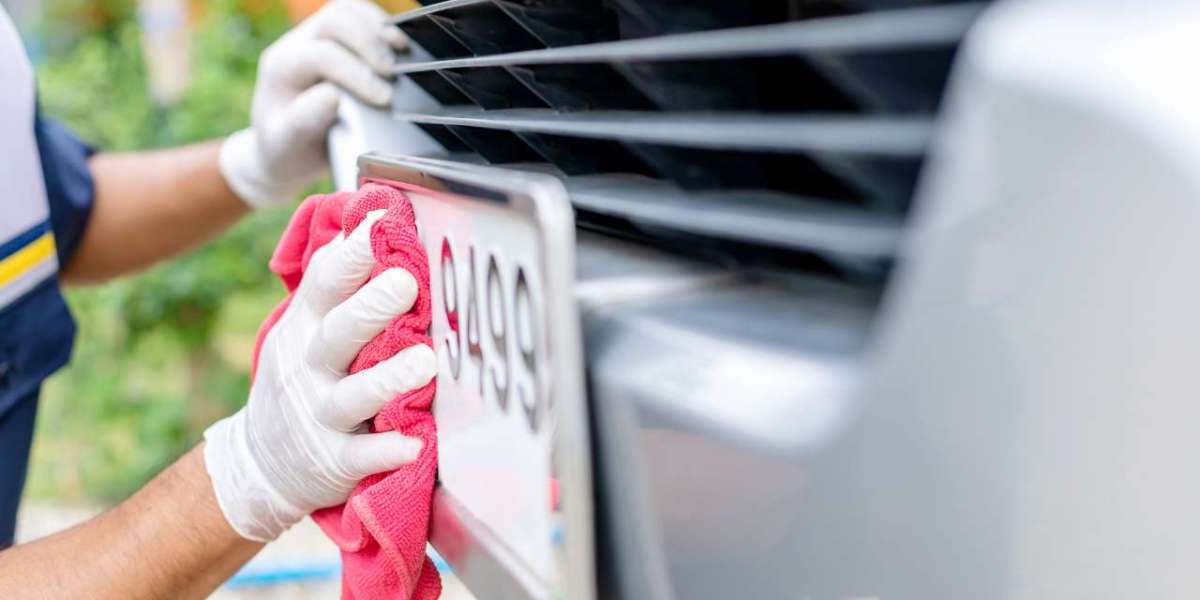
Unlike traditional plates, HSRP plates are manufactured using standardized materials and security features. The plate itself is made from aluminum, which makes it durable and resistant to wear.
One noticeable feature is the chromium hologram placed on the corner of the plate. It’s not just decorative—it acts as an authentication marker showing that the plate was produced through an authorized system.
Another important detail is the laser-etched identification number. This number is permanently engraved into the plate and linked to the vehicle’s registration records in the national database.
Then there are the snap locks. These special locks are used during installation and prevent the plate from being removed easily. If someone tries to take the plate off, the lock usually breaks, making tampering obvious.
Taken together, these small elements make the plate far more secure than older designs.
The Process Has Become Surprisingly Easy
If you’ve ever dealt with transport office paperwork in the past, you probably remember the long lines and stacks of forms. It wasn’t exactly anyone’s idea of a pleasant afternoon.
Thankfully, that process has changed quite a bit.
Today, most vehicle owners can book my hsrp appointment online through authorized platforms. The process usually involves entering basic vehicle details—registration number, chassis number, and engine number—before selecting a nearby installation center.
Once the booking is confirmed, the rest is simple. You show up at the scheduled location, and technicians install the plate using tamper-proof locks. In many cases, the entire installation takes less than fifteen or twenty minutes.
Considering how complicated vehicle paperwork used to be, this digital process feels refreshingly straightforward.
Why Different States Have Their Own Booking Systems
India’s transport system is massive, and each state manages its own vehicle registration infrastructure. While the HSRP concept is the same nationwide, the booking platforms and installation networks often operate at the state level.
For example, drivers in western India frequently search online to book my hsrp maharashtra appointment through the portal designated for the state. This helps distribute bookings among authorized dealers and service centers rather than crowding transport offices.
State-specific systems also make scheduling easier because they allow vehicle owners to choose installation locations close to home.
It’s a practical approach for managing millions of vehicles without overwhelming a single national platform.
What It Usually Costs
Whenever new regulations appear, cost is usually the first question people ask. Fortunately, HSRP plates are relatively affordable.
For motorcycles and scooters, the price generally falls between ₹300 and ₹500. Cars usually cost somewhere between ₹600 and ₹1100 depending on the state and additional requirements such as fuel-type stickers.
These prices typically include both the plate and the installation service.
When you compare that with other routine vehicle expenses—insurance renewals, servicing, fuel costs—it’s actually a fairly modest upgrade.
A Few Simple Things to Check Before Booking
Although the booking process is easy, a bit of preparation helps avoid delays.
First, keep your vehicle registration certificate nearby when filling out the online form. You’ll need to enter details like the chassis number and engine number exactly as they appear on the document.
Second, double-check your contact information before confirming the booking. Appointment updates and confirmations are usually sent via SMS or email.
Finally, try to choose an installation center that’s reasonably close to you. It can be tempting to select the earliest available slot even if it’s far away, but convenience usually wins in the long run.
These small steps make the experience smoother and quicker.
Why Standardized Plates Matter for Modern Roads
At first glance, upgrading a number plate may not seem like a big improvement. After all, it’s just a metal plate with letters and numbers.
But when you consider how modern traffic systems work, the importance becomes clearer.
Highways increasingly rely on automated toll collection. Cities use surveillance cameras to monitor traffic flow. Law enforcement agencies depend on digital systems to identify vehicles quickly.
All these technologies work better when number plates follow a consistent format.
HSRP plates provide that consistency. They make it easier for cameras to read registration numbers, harder for criminals to duplicate plates, and faster for authorities to verify vehicle details.
It’s a small change that supports a much larger infrastructure.
A Quiet Step Toward Safer Roads
Sometimes the biggest improvements in public systems happen quietly. They don’t arrive with dramatic announcements or flashy headlines. Instead, they show up in everyday details that slowly make life easier and safer.
High-security number plates are a good example of that kind of progress.
For drivers, the change is simple: a quick online booking, a short visit to an installation center, and the vehicle is updated with a plate designed for modern road systems.
It may not feel exciting—but it’s practical, efficient, and surprisingly easy.
And in a country where millions of vehicles share the same roads every day, small improvements like this can make a meaningful difference over time.