
But things have changed quite a bit over the past few years.
With increasing vehicle theft cases, stricter traffic enforcement, and the growing use of automated systems like highway toll cameras and surveillance networks, the need for standardized number plates became obvious. That’s where High Security Registration Plates—better known as HSRP—entered the picture. What started as a regulatory step has slowly turned into an essential part of vehicle compliance across India.
And honestly, once you understand the logic behind it, the whole requirement feels less like paperwork and more like a sensible upgrade.
What Exactly Is an HSRP Plate?
At first glance, an HSRP plate may look similar to the traditional number plates we’ve seen for decades. But look a little closer and you’ll notice several unique details that set it apart.
These plates are made from aluminum and include a chromium hologram on the top left corner, along with a laser-etched identification number that cannot be altered. The plates are also fixed using special snap locks designed to prevent easy removal.
In simple terms, HSRP plates are built to be tamper-proof. Once installed, they become a permanent identity marker for the vehicle. That makes it significantly harder for criminals to duplicate number plates or disguise stolen vehicles.
It might seem like a small design change, but it has had a surprisingly big impact on vehicle identification and road safety.
Why Older Vehicles Need the Upgrade
A common misconception among many vehicle owners is that HSRP plates apply only to new vehicles. That’s not entirely true.
While all new vehicles now come with HSRP plates installed by default, the rule was later extended to older vehicles as well. If your car or motorcycle was registered before the rule came into effect and still uses the older style plate, you’re expected to replace it.
Traffic authorities across several states have already started enforcing these rules more strictly. Drivers caught using outdated plates may face penalties during routine traffic checks.
So if you’ve been putting it off, it might be worth taking a few minutes to update your plate rather than dealing with unnecessary fines later.
The Booking Process Is Easier Than You Think
A few years ago, vehicle-related paperwork usually meant visiting a transport office and waiting in long queues. Thankfully, the HSRP process has moved largely online.
Most vehicle owners today simply book hsrp number plate appointments through authorized online portals. The process typically requires entering basic vehicle details such as registration number, chassis number, and engine number.
Once the information is submitted, you can choose a nearby installation center and schedule a convenient appointment slot. After confirmation, you receive the details via message or email.
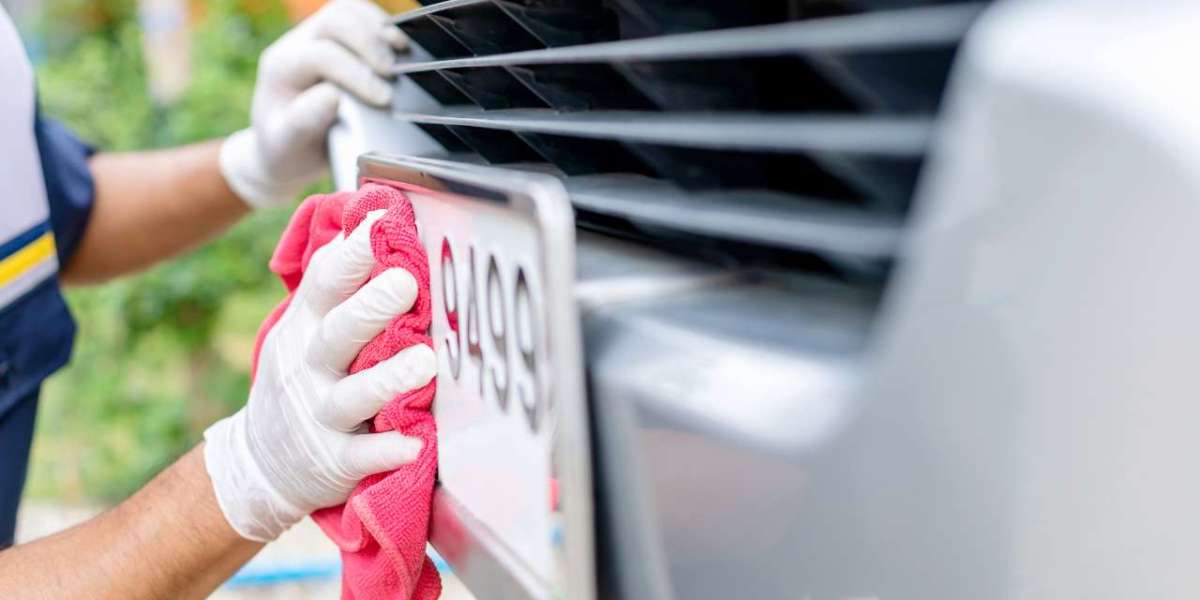
When the appointment day arrives, you visit the selected location where technicians install the plate securely. In many cases, the installation takes less than fifteen minutes.
It’s actually one of the smoother digital services introduced in recent years.
Why Standardization Matters for Modern Roads
You might wonder why governments are putting so much emphasis on number plates. After all, they’ve existed for decades without major issues.
The answer lies in how modern traffic systems work.
Today, highways use automated toll systems, cities rely on surveillance cameras, and traffic monitoring tools identify vehicles through digital recognition. For these technologies to function accurately, vehicle plates must follow a uniform format.
That’s where hsrp number plate booking comes into the larger picture. By encouraging drivers to switch to standardized plates, authorities can ensure that automated systems read registration numbers correctly and consistently.
This not only improves traffic monitoring but also helps track stolen vehicles, identify rule violations, and manage road safety more effectively.
Sometimes a small administrative upgrade ends up supporting a much bigger infrastructure change.
Costs and Installation: What Drivers Should Expect
One thing that often surprises people is how affordable HSRP plates actually are.
For two-wheelers such as motorcycles and scooters, the cost typically falls between ₹300 and ₹500. For cars, it usually ranges from ₹600 to ₹1100 depending on the state and additional elements like color-coded stickers for fuel type.
The fee generally includes both the plate itself and the installation service.
During installation, technicians use special locks designed specifically for HSRP plates. These locks cannot be opened without damaging them, which prevents plate swapping or tampering.
In most cases, the entire process—from arrival at the center to installation—is completed within twenty minutes.
Compared to the time people once spent dealing with vehicle paperwork, this feels refreshingly efficient.
Small Mistakes That Can Delay the Process
Even though the booking process is fairly straightforward, a few small mistakes can create delays.
One of the most common issues is entering incorrect vehicle information during online booking. The chassis number, for example, is usually long and includes both letters and numbers. A small typo can lead to mismatched records.
Another mistake is selecting an installation center located too far away simply because it offers an earlier appointment date. While it may seem convenient initially, traveling long distances for a short installation can quickly become inconvenient.
And finally, some people forget to bring their registration certificate when visiting the installation center. It’s a small detail, but having your documents handy can make the process smoother.
A Simple Task That Brings Long-Term Benefits
Let’s be honest—vehicle compliance tasks rarely feel exciting. Most of us would rather focus on the actual driving than paperwork connected to it.
But upgrading to an HSRP plate is one of those small tasks that offers long-term peace of mind. It ensures your vehicle follows the latest regulations, reduces the risk of plate duplication, and helps avoid fines during traffic inspections.
More importantly, it’s a one-time process. Once the plate is installed, you don’t have to worry about replacing it again unless the vehicle itself changes ownership or registration details.
The Quiet Evolution of Vehicle Identification
Sometimes the biggest improvements in public systems happen quietly. No dramatic announcements, no huge celebrations—just steady changes that slowly make things work better.
HSRP plates are one of those changes.
They may look like ordinary number plates at first glance, but behind that simple design is a thoughtful system meant to improve vehicle security, support digital traffic monitoring, and bring consistency to millions of vehicles on the road.
For drivers, the responsibility is fairly simple: complete the booking, install the plate, and move forward knowing your vehicle meets the current standards.
And honestly, in a world full of complicated paperwork, that kind of straightforward solution is always welcome.