
At first glance, it may sound like just another regulation added to the long list drivers already follow. But once you understand what these plates are and why they exist, the story becomes a little more interesting. It’s not just about replacing a number plate—it’s about making vehicle identification more reliable in a country where millions of vehicles share the road every day.
For many drivers, the shift toward HSRP plates is simply part of keeping their vehicle compliant with modern traffic systems.
The Problem With the Old Number Plate System
For decades, vehicle number plates in India were made in a very simple way. After registering a vehicle, owners usually got their plates made by local vendors. As long as the registration number was visible, that was considered good enough.
The problem was that every vendor had their own style. Fonts varied. Materials differed. Some plates were painted by hand, others printed quickly at roadside shops. This flexibility made life convenient for drivers, but it also created several loopholes.
Fake number plates became easier to produce. Stolen vehicles could sometimes be disguised with duplicate registrations. And automated systems—like traffic cameras and toll scanners—struggled to read inconsistent plate formats.
High Security Registration Plates were introduced to solve these issues by creating a standardized system that every vehicle would eventually follow.
What Makes an HSRP Plate Different
On the surface, HSRP plates look similar to traditional plates. They still display the vehicle’s registration number in black letters against a white or yellow background. But the differences become clearer when you look a little closer.
First, the plates are made from aluminum rather than basic sheet metal. This makes them more durable and resistant to weather damage.
Second, each plate carries a chromium-based hologram placed on the top corner. This hologram acts as a visual authenticity mark, showing that the plate was produced by an authorized manufacturer.
Another key feature is the laser-etched permanent identification number engraved directly into the plate. Unlike painted numbers, this code cannot be removed or altered without damaging the plate.
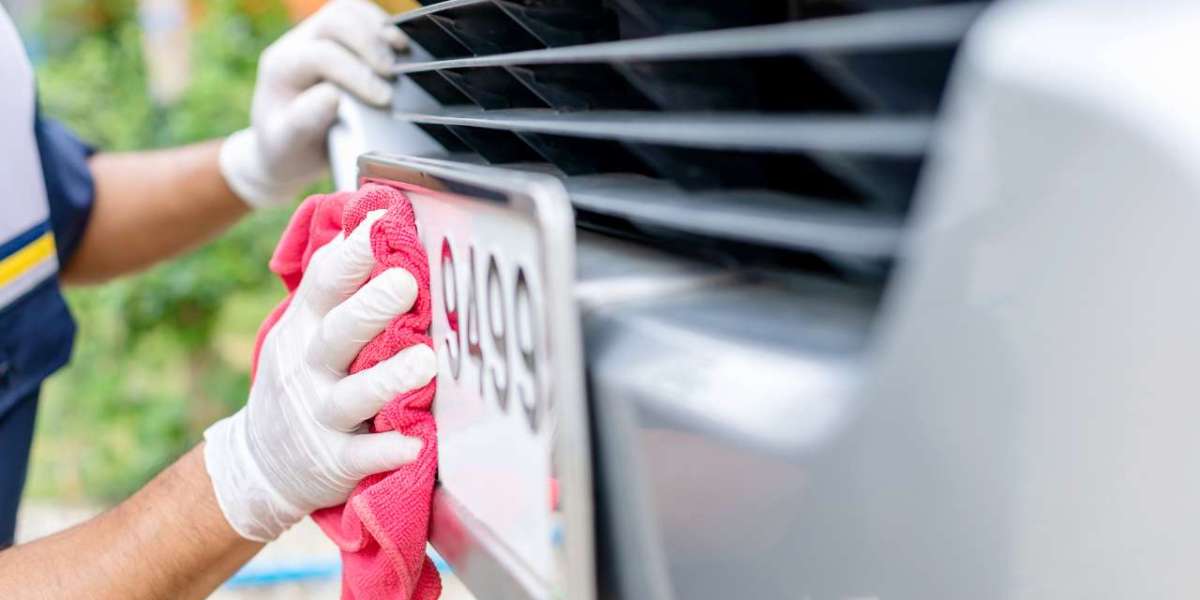
Finally, HSRP plates are fixed using tamper-proof snap locks that prevent easy removal. Once installed, the plate becomes closely tied to the vehicle itself.
How the Booking Process Became Simpler
A decade ago, updating anything related to vehicle documentation usually meant visiting a transport office and waiting in line for hours. Thankfully, that process has improved significantly.
Today, many vehicle owners simply book my hsrp appointment online through authorized portals. Instead of dealing with paperwork and long queues, drivers can enter their vehicle details from home, choose a nearby installation center, and schedule a convenient time slot.
Once the appointment is confirmed, the next step is straightforward. On the scheduled date, you visit the installation center where technicians securely attach the new plates using special snap locks.
In most cases, the installation itself takes less than twenty minutes.
Considering how complicated vehicle-related procedures used to be, this digital approach feels refreshingly efficient.
State-Specific Systems for Plate Installation
India’s transport infrastructure is huge, and each state manages its own vehicle registration process. Because of that, HSRP booking systems are often handled at the state level rather than through a single nationwide portal.
For example, drivers in western India often search online to book my hsrp maharashtra appointment through the authorized platform designated for the state. These systems allow vehicle owners to select nearby dealerships or service centers where the plates can be installed.
The state-based approach helps distribute the workload and prevents overcrowding at transport offices. It also allows drivers to complete the process locally without traveling long distances.
For vehicle owners, this means the entire process—from booking to installation—can usually be completed within their own city.
What It Costs to Upgrade Your Plate
Whenever new regulations appear, cost is usually the first concern people have. Fortunately, HSRP plates are relatively affordable.
For motorcycles and scooters, the price typically falls between ₹300 and ₹500. Cars generally cost between ₹600 and ₹1100 depending on the state and whether additional elements—like fuel-type color stickers—are included.
These prices usually cover both the plate and the installation service.
Compared to other routine vehicle expenses such as insurance renewals, maintenance, and fuel, the cost of upgrading to an HSRP plate is quite modest.
Common Mistakes to Avoid During Booking
Although the booking process is simple, a few small mistakes can slow things down.
One common issue is entering the wrong chassis number during the online application. Because chassis numbers often contain long combinations of letters and numbers, even a small typo can cause problems later.
Another mistake is choosing an installation center located far away just to secure an earlier appointment slot. While it may seem convenient at first, traveling long distances for a short installation appointment can become frustrating.
Finally, some drivers forget to bring their vehicle registration certificate to the installation center. Having the document with you helps technicians verify vehicle details quickly.
Paying attention to these small details can make the entire process much smoother.
Why This Small Change Actually Matters
Replacing a number plate may not sound like a major upgrade, but it plays an important role in improving transportation systems.
Standardized plates help traffic cameras identify vehicles accurately. They make it harder for criminals to use fake registrations and easier for authorities to trace stolen vehicles. They also support automated toll collection systems and digital traffic monitoring tools.
In other words, these plates help create a more organized road network.
For drivers, the change may seem minor. But when millions of vehicles adopt the same system, the impact becomes significant.
A Practical Step Toward Smarter Roads
Sometimes progress arrives quietly. No big headlines, no dramatic transformations—just small improvements that slowly make everyday systems more efficient.
High Security Registration Plates are one of those improvements.
For vehicle owners, updating the plate is a simple task that takes very little time. A quick online booking, a short visit to an installation center, and the vehicle is fully compliant with the latest regulations.
It’s not the most exciting part of vehicle ownership, but it’s a practical step that supports safer and more organized roads.
And honestly, in a country where traffic never really slows down, small upgrades like this can make a surprisingly big difference.