
For years, number plates were just a formality. You registered a vehicle, a local vendor made a plate, and that was the end of the story. But as cities grew, traffic multiplied, and digital systems started playing a bigger role in managing roads, those old plates began showing their limitations.
That’s where High Security Registration Plates, or HSRP plates, entered the picture. They’re not flashy or complicated, but they represent a subtle shift toward a more organized and secure vehicle identification system. And for many vehicle owners today, updating their plates is becoming part of the routine responsibilities of owning a car or motorcycle.
Why Number Plates Needed an Upgrade
For a long time, vehicle number plates in India had one basic job: show the registration number clearly enough for someone to read. That worked reasonably well when traffic volumes were lower and enforcement relied mostly on manual checks.
But as the number of vehicles on the road grew into the millions, things got messy.
Different fonts, inconsistent sizes, and plates made by various local vendors created a lack of uniformity. This made it difficult for automated systems—like highway cameras or traffic monitoring software—to accurately read registration numbers.
Even more concerning was how easy it became to duplicate or alter plates.
High Security Registration Plates were designed to fix those issues. Each plate is manufactured with standardized materials and includes built-in security features like a chromium hologram and a laser-etched identification code. These features make it extremely difficult to duplicate or tamper with the plate.
What looks like a simple metal plate is actually part of a broader system designed to improve vehicle tracking and road safety.
How the Online System Changed Everything
If you ask someone who dealt with vehicle paperwork a decade ago, they’ll probably tell you stories about long lines at transport offices and stacks of forms that seemed never-ending.
Fortunately, things have improved quite a bit.
Today, many drivers complete the hsrp online registration process from home. Authorized websites allow vehicle owners to enter their registration details, choose an installation center, and schedule a convenient appointment.
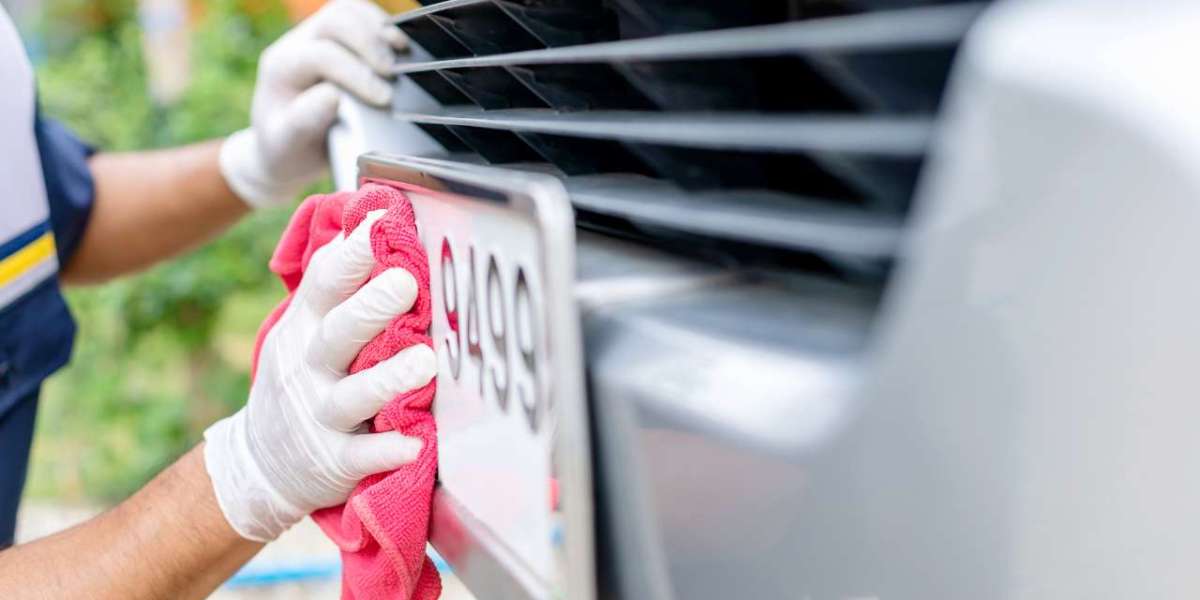
The process is surprisingly straightforward. Once the booking is confirmed, the vehicle owner simply visits the selected center where technicians install the plate using tamper-proof locks.
In most cases, the installation itself takes less than twenty minutes.
For something that used to feel like a bureaucratic maze, the digital shift has made the experience refreshingly simple.
What Makes HSRP Plates Different
At first glance, HSRP plates might look similar to the traditional plates many vehicles still carry. But there are several important differences hidden in the design.
The plates are made from aluminum rather than standard sheet metal, which makes them more durable. On the top corner, there’s a chromium-based hologram that acts as an authentication mark.
Another key feature is the laser-etched permanent identification number. Unlike painted or printed numbers, this code cannot be removed or altered without damaging the plate.
Finally, the plates are attached using snap locks designed specifically for this system. These locks prevent easy removal, meaning plates cannot be swapped between vehicles.
Together, these features help create a standardized and secure identification system for vehicles across the country.
The Role of State-Level Systems
While the concept of HSRP plates is nationwide, the implementation often happens through state transport departments. Each state typically manages its own booking platforms, deadlines, and installation centers.
For instance, vehicle owners in Telangana often search online to book my hsrp telangana appointment when updating their plates. The process allows them to select authorized installation locations and schedule visits without navigating multiple government offices.
As vehicle numbers increase in cities like Hyderabad and surrounding regions, maintaining accurate vehicle records becomes increasingly important. Standardized plates help ensure that traffic cameras, toll systems, and enforcement tools can identify vehicles reliably.
In many ways, it’s part of a broader modernization effort happening quietly within transportation systems.
How Much It Usually Costs
One of the first questions people ask about HSRP plates is the cost. Fortunately, the price is fairly reasonable and standardized across many states.
For motorcycles and scooters, the plates usually cost between ₹300 and ₹500. For cars, the cost can range from ₹600 to ₹1100 depending on additional requirements such as color-coded stickers that indicate the vehicle’s fuel type.
These prices generally include both the plate itself and the installation service.
Considering that the plate remains with the vehicle for years, the cost is relatively small compared to other vehicle-related expenses.
Small Mistakes That Can Delay the Process
Although the online system is easy to use, a few common mistakes can slow things down.
One frequent issue is entering incorrect vehicle details during the registration process. Chassis numbers, in particular, can be long and easy to mistype. Double-checking them before submitting the form can save a lot of trouble later.
Another mistake is selecting an installation center located far away simply because it offers an earlier appointment slot. While it may seem convenient initially, traveling long distances for a short installation appointment can quickly become inconvenient.
And finally, it’s always wise to bring your vehicle registration certificate when visiting the installation center. Having the document handy helps avoid unnecessary confusion.
A Small Change With a Bigger Purpose
At the end of the day, updating a number plate may not feel like a major event. It’s not as exciting as buying a new car or planning a long road trip.
But these small changes play an important role in improving the systems that support modern transportation. Standardized plates help traffic monitoring technology work more accurately. They reduce the chances of vehicle identity fraud and make law enforcement more efficient.
In a country where millions of vehicles share the same roads every day, even minor improvements can have a significant impact.
So the next time you notice a sleek aluminum plate with a hologram glinting in the sunlight, it’s worth remembering that it represents something bigger than a registration number. It’s part of an evolving system designed to make the roads safer, more organized, and just a little bit smarter for everyone.