
Over the last few years, state transport authorities across India have made HSRP mandatory for both new and older vehicles. The idea is pretty simple: standardize number plates and make them harder to duplicate or tamper with. That might sound like a small detail, but it actually plays a big role in reducing vehicle theft, improving road safety, and making identification easier for traffic enforcement.
Still, many vehicle owners delay the process. Some assume the process will be complicated, others worry about long queues at transport offices. In reality, the process today is mostly digital, and getting your plate issued can be done from the comfort of your home.
Understanding What Makes HSRP Different
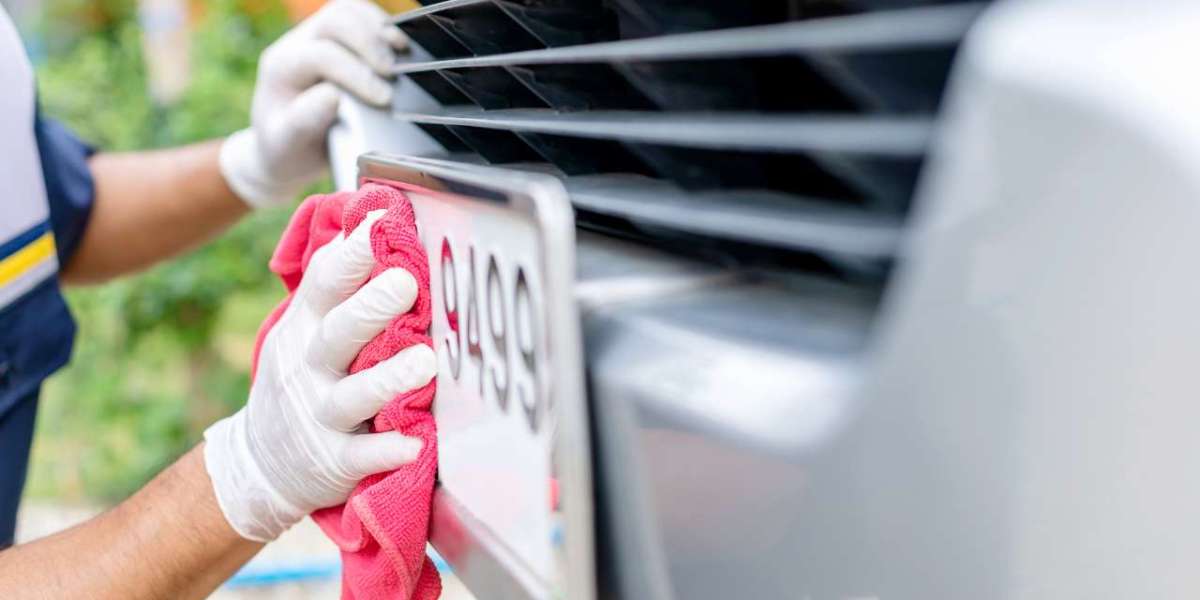
Unlike traditional number plates that could easily be duplicated or replaced, HSRP plates are designed with multiple security features. Each plate includes a chromium-based hologram, a laser-etched permanent identification number, and snap locks that prevent easy removal.
These plates are also linked directly with the vehicle’s chassis number and engine number in the national database. In simple terms, the plate becomes part of the vehicle’s identity rather than just a piece of metal bolted onto it.
For law enforcement agencies, this has made tracking vehicles much easier. Stolen vehicles can be identified more quickly, and fake registrations become far harder to create. For everyday drivers, it means fewer disputes and clearer verification if a vehicle is ever involved in an accident or investigation.
Why Older Vehicles Also Need HSRP
Many people assume that HSRP rules apply only to newly purchased vehicles. That’s actually a common misunderstanding.
The government gradually extended the requirement to vehicles registered before 2019 as well. If your car or bike was registered before that year and still has the old-style number plate, you're expected to replace it with an HSRP plate.
Ignoring the requirement can lead to fines during traffic checks. Some states have already begun strict enforcement, and penalties can range from a few hundred to a couple of thousand rupees depending on the location.
So if you’ve been putting it off, it might be worth taking a few minutes to handle it now rather than dealing with a penalty later.
The Online Booking Process Is Surprisingly Simple
A few years ago, getting an HSRP meant visiting a dealer or transport office, filling out forms, and waiting in line. Thankfully, the process has evolved.
Today, most vehicle owners prefer to book my hsrp appointment online. The system allows you to select your vehicle details, choose a nearby fitment center, and schedule a convenient time slot. The entire process usually takes only a few minutes.
Once the booking is complete, you receive confirmation details along with the appointment date. When the day arrives, you simply visit the designated location where technicians install the plate using special locks designed to prevent tampering.
For many people, the biggest surprise is how fast the installation itself is. In most cases, it takes less than fifteen minutes.
Choosing the Right Platform Matters
Of course, when applying online, it’s important to use a reliable portal. Several official partners handle HSRP bookings depending on the state, and using an authentic platform ensures your details are correctly submitted to the transport authority.
One commonly used portal is bookmy hsrp.comhttps://www-bookmyhsrp.com/, which allows users to register vehicles, choose installation locations, and track appointment details. The platform is designed to simplify the process so vehicle owners don't have to navigate complicated government forms or multiple websites.
Still, regardless of the platform you use, always double-check your vehicle registration number, chassis number, and engine number before submitting the form. Small mistakes can delay the plate issuance.
How Much Does an HSRP Plate Cost?
Cost is another thing people often worry about, but the price is actually fairly standardized.
For motorcycles and scooters, the HSRP plate generally costs somewhere between ₹300 and ₹500. For cars, the price usually ranges from ₹600 to ₹1100 depending on the state and additional requirements like color-coded fuel stickers.
Compared to other vehicle expenses—insurance, servicing, fuel—the cost is relatively small. Considering the added security and legal compliance, it’s a pretty reasonable investment.
Common Mistakes to Avoid During Booking
Even though the booking process is simple, there are a few mistakes people occasionally make.
One common issue is entering the wrong chassis number. Since this number is often long and includes both letters and numbers, typing errors happen easily. It's best to copy it directly from your vehicle registration certificate rather than guessing.
Another mistake is choosing an installation center far from your location just because an earlier appointment slot is available. Convenience matters here—you’ll still need to physically visit the center for plate installation.
And finally, some people forget to bring their registration certificate or identification during the appointment. While requirements vary by state, having basic vehicle documents with you is always a good idea.
The Bigger Picture: Why Standardized Plates Matter
At first glance, the HSRP rule might seem like just another regulation added to the long list drivers already follow. But if you zoom out a little, the purpose becomes clearer.
Standardized plates help create a unified vehicle identification system across the country. That matters not just for law enforcement but also for toll systems, parking management, and traffic monitoring technologies.
As Indian cities grow larger and roads busier, these small administrative improvements quietly help keep systems organized.
And sometimes progress looks exactly like this—simple changes that don’t feel dramatic but gradually make everyday life smoother.
A Small Task That’s Worth Doing
Let’s be honest. Nobody wakes up excited about vehicle paperwork. It’s one of those things we tend to delay until the last possible moment.
But applying for an HSRP plate is actually one of the easier tasks on the list. The online process takes only a few minutes, installation is quick, and once it's done you don’t have to worry about compliance again.
So if your vehicle still carries the older style plate, it might be the perfect time to check the requirement for your state and schedule the update. Sometimes crossing one small task off the list brings a surprising sense of relief.
And who knows—your future self, avoiding a traffic fine at a roadside checkpoint, will probably thank you for it.