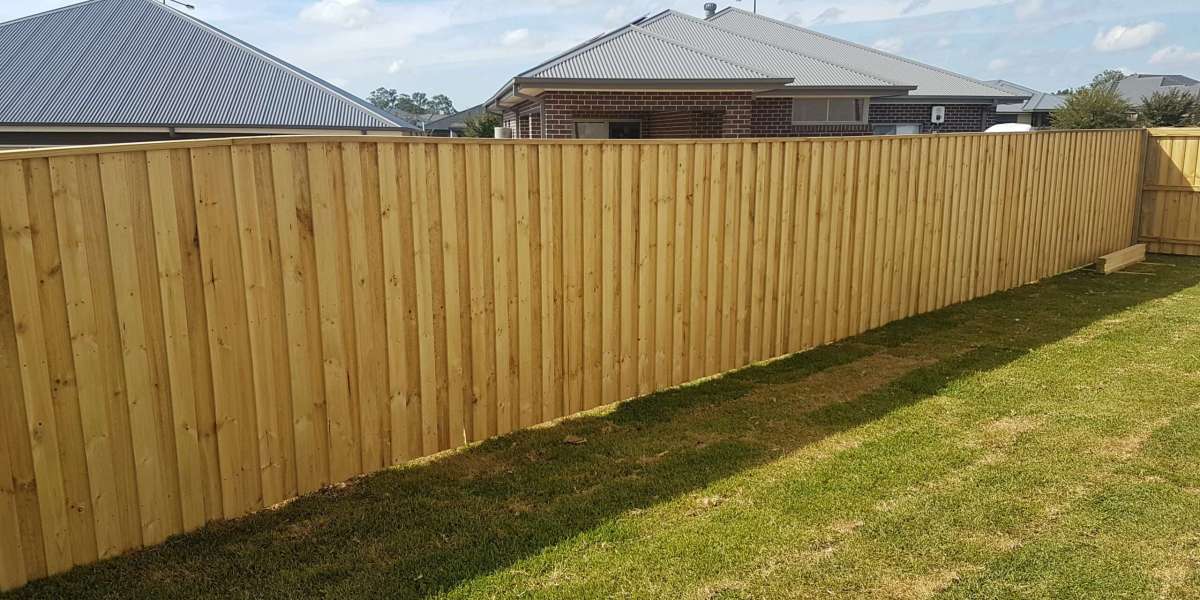

Regular Cleaning to Prevent Build-Up
Keeping your fence clean is one of the simplest yet most effective ways to extend its lifespan. Dirt, dust, mould, and mildew can accumulate over time, especially in areas exposed to moisture or shade. Regular cleaning helps preserve the natural appearance of the timber and prevents surface damage caused by prolonged exposure to these elements.
When maintaining timber fencing, it is important to wash the surface at least once or twice a year using mild detergent and water. This removes grime and prevents decay from taking hold. A soft brush or low-pressure hose is usually sufficient to clean the panels without damaging the wood.
Gentle Cleaning Methods
Avoid using high-pressure washers as they can strip protective coatings and weaken the timber surface.
Protecting Timber with Sealants and Finishes
Applying a protective coating is essential for maintaining the strength and appearance of timber fencing. Sealants, stains, and paints act as barriers against moisture, UV rays, and environmental damage. Without this protection, timber can become brittle, discoloured, or prone to cracking.
Choosing the right finish depends on your desired look and level of protection. Clear sealants preserve the natural grain, while stains and paints offer additional colour options and enhanced durability. Reapplying these finishes every few years ensures ongoing protection.
UV Protection Benefits
Protective coatings help prevent fading and damage caused by prolonged exposure to sunlight.
Managing Moisture and Drainage
Moisture is one of the biggest threats to timber fencing. Excess water can lead to rot, mould growth, and structural weakening. Ensuring proper drainage around the fence is crucial to prevent water from pooling at the base.
Trimming nearby plants and maintaining adequate spacing between the fence and the ground can reduce moisture retention. This allows air to circulate freely, helping the timber dry quickly after rain.
Preventing Water Damage
Good drainage and airflow minimise the risk of long-term moisture-related issues.
Inspecting for Damage and Repairs
Regular inspections are key to identifying and addressing issues before they worsen. Check for signs of damage such as cracks, loose boards, or leaning posts. Early detection allows for quick repairs, preventing more extensive and costly problems in the future.
Minor damages can often be fixed by replacing individual panels or reinforcing weak sections. Keeping a close eye on the condition of your fence ensures it remains safe and functional.
Routine Inspections
Inspect your fence every few months to maintain its structural integrity.
Preventing Pest Infestation
Termites and other wood-boring insects can cause significant damage to timber fencing if left unchecked. Using treated timber and applying protective coatings can help deter pests.
It is also important to keep the surrounding area clean and free of debris, as this can attract insects. Regular inspections for signs of infestation, such as small holes or sawdust, can help address issues early.
Pest Control Measures
Consider professional pest treatments for added protection against infestations.
Maintaining Structural Stability
Over time, environmental factors such as wind and soil movement can affect the stability of your fence. Checking the alignment of posts and ensuring they remain firmly anchored is essential for maintaining strength.
If any posts become loose or unstable, reinforcing them with concrete or replacing them promptly can prevent further damage. Maintaining structural stability ensures the fence continues to perform its intended function.
Reinforcement Techniques
Secure posts and panels properly to prevent leaning or collapse.
Seasonal Maintenance Tips
Different seasons bring unique challenges for timber fencing. During summer, intense sunlight can cause drying and cracking, while winter conditions may introduce excess moisture. Adapting your maintenance routine to suit seasonal changes helps protect the fence throughout the year.
Applying additional sealant before harsh weather conditions and inspecting the fence after storms can prevent long-term damage. Seasonal care ensures consistent performance and durability.
Year-Round Care
Adjust maintenance practices based on weather conditions to keep your fence in top condition.
Extending the Lifespan with Proper Care
Consistent maintenance not only preserves the appearance of your fence but also extends its lifespan. Well-maintained timber fencing can last for many years, providing reliable privacy and security.
By combining regular cleaning, protective treatments, and timely repairs, homeowners can maximise the value of their investment while keeping their outdoor spaces looking attractive.
Long-Term Benefits
Proper care reduces the need for frequent replacements and ensures lasting performance.
FAQs
How often should timber fencing be cleaned?
Timber fencing should be cleaned at least once or twice a year to remove dirt, mould, and debris.
What is the best way to protect timber fencing from weather damage?
Applying sealants, stains, or paint helps protect timber from moisture, UV rays, and environmental wear.
How can I prevent termites from damaging my fence?
Using treated timber and maintaining a clean, dry environment around the fence can help prevent termite infestations.
When should I repair or replace parts of my fence?
Repairs should be carried out as soon as damage is noticed to prevent further deterioration and maintain structural integrity.