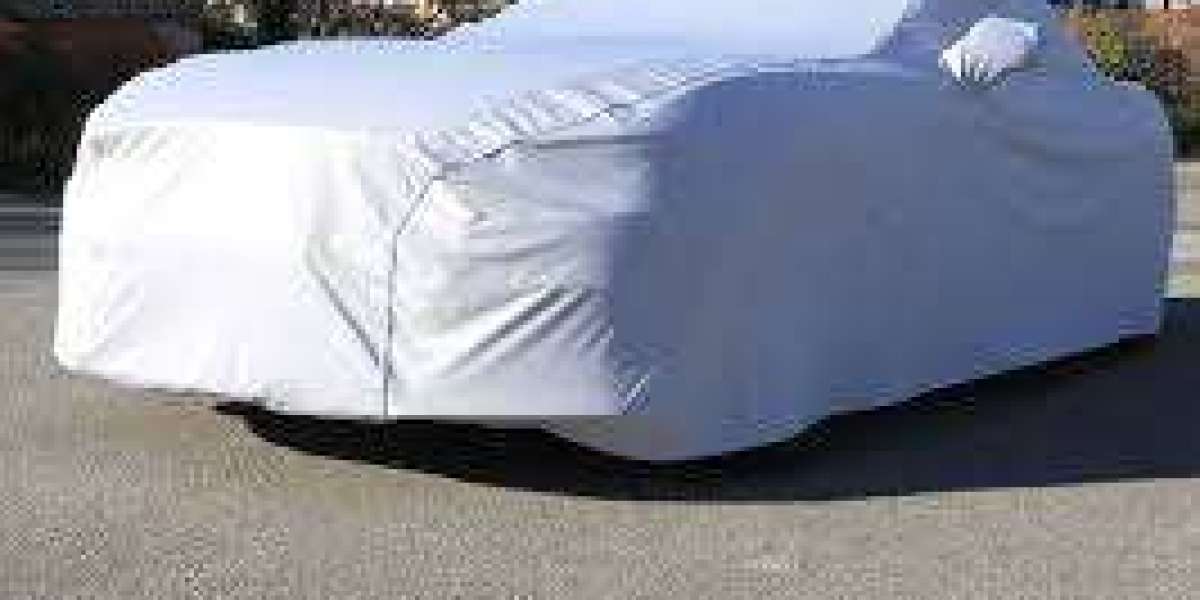

A cover car solution is one of the most effective ways to protect your vehicle from environmental damage, dust, UV rays, rain, and scratches. Whether your car is parked outside or stored in a garage, using a car cover can significantly extend the lifespan of your vehicle’s paint and interior. Many vehicle owners invest in car covers to maintain their car’s appearance, preserve resale value, and shield it from weather-related wear and tear.
What Is a Car Cover?
A car cover is a protective fabric layer designed to fit over a vehicle when it is parked. It acts as a barrier between the car and external elements such as sunlight, rain, snow, bird droppings, dust, and tree sap. Car covers are made from different materials depending on whether they are intended for indoor or outdoor use.
The main purpose of a car cover is to protect the car’s exterior while also preventing fading, rust formation, and accidental scratches. A properly fitted cover ensures complete protection while still allowing ventilation to prevent moisture buildup.
Why Using a Car Cover Is Important
Many people underestimate the damage that environmental exposure can cause to a vehicle. Continuous sunlight can fade paint, rain can lead to rust, and dust particles can cause small scratches over time.
Here are some key reasons why car covers are important:
Protection from Weather:
Outdoor car covers protect vehicles from rain, snow, hail, and harsh sunlight.
UV Protection:
High-quality covers block harmful UV rays that can fade paint and damage interiors.
Dust and Dirt Prevention:
Indoor covers help keep dust from settling on the vehicle’s surface.
Scratch Protection:
A car cover adds a soft protective layer that reduces the risk of scratches.
Security:
A covered car is less attractive to thieves because they cannot easily identify the model or valuables inside.
Types of Car Covers
Choosing the right car cover depends on where you park your vehicle and the type of protection you need.
Indoor Car Covers
Indoor covers are designed for vehicles stored in garages or storage facilities. They protect cars from dust, accidental bumps, and minor scratches.
These covers are typically lightweight, breathable, and easy to put on or remove. While they do not provide heavy weather protection, they are ideal for keeping a car clean in a controlled environment.
Outdoor Car Covers
Outdoor covers are made with stronger, weather-resistant materials. They protect cars from rain, sunlight, snow, and environmental pollutants.
Most outdoor covers include multiple layers, UV resistance, and waterproof coatings. Some also include wind straps or elastic edges to keep the cover secure during strong winds.
Custom Fit Car Covers
Custom-fit covers are designed specifically for a particular vehicle model. They provide maximum protection because they follow the exact shape of the car.
These covers are often more expensive but offer better coverage and a more secure fit compared to universal covers.
Universal Car Covers
Universal covers are designed to fit multiple car models. They are more affordable but may not provide the same level of protection as custom covers.
They are a practical option for short-term use or for people who change vehicles frequently.
Materials Used in Car Covers
The effectiveness of a car cover depends largely on the materials used in its construction.
Polyester:
A common material used for lightweight covers. It is durable and resistant to stretching.
Polypropylene:
Often used in multi-layer outdoor covers for better water resistance.
Cotton or Flannel:
These materials are used for indoor covers because they are soft and gentle on paint.
Aluminum Coating:
Some covers include reflective layers that help block heat and sunlight.
How to Choose the Right Car Cover
When selecting a car cover, it is important to consider several factors to ensure the best protection for your vehicle.
Climate Conditions:
If you live in an area with heavy rain or strong sunlight, choose a waterproof and UV-resistant cover.
Vehicle Size and Shape:
Make sure the cover fits your car properly to prevent loose fabric that can scratch the paint.
Breathability:
A breathable cover prevents moisture buildup that could cause mold or rust.
Ease of Use:
Lightweight covers are easier to install and remove.
Durability:
Look for covers made with strong stitching and reinforced seams for long-term use.
Benefits of Using a Car Cover
Using a car cover provides several long-term advantages for vehicle owners.
First, it helps maintain the car’s paint condition by preventing sun damage and oxidation. This keeps the vehicle looking newer for longer.
Second, it reduces the need for frequent car washing since dust and debris are kept away.
Third, it protects the interior from heat buildup, which can damage dashboards, seats, and electronics.
Finally, it preserves the resale value of the car. A well-maintained exterior and interior can significantly increase a vehicle’s market value when it is time to sell.
Best Practices for Using a Car Cover
To get the most benefit from your car cover, it is important to use it correctly.
Always make sure the car is clean before placing the cover on it. Dirt trapped under the cover can cause scratches.
Allow the vehicle to cool down before covering it, especially after driving.
Secure the cover properly using straps or elastic edges to prevent wind from lifting it.
Regularly clean the car cover to remove dust and debris that could damage the car’s surface.
Common Mistakes to Avoid
Some car owners unknowingly reduce the effectiveness of their car covers by making simple mistakes.
One common mistake is using an indoor cover outdoors. Indoor covers are not designed to handle rain or UV exposure.
Another mistake is choosing the wrong size. A loose cover can flap in the wind and cause scratches.
Finally, failing to clean the cover regularly can allow dirt to accumulate and reduce protection.
The Future of Car Covers
Modern car covers are becoming more advanced with new materials and technology. Some covers now include smart features such as anti-theft alarms, solar-powered ventilation, and enhanced waterproof layers.
Manufacturers are also developing eco-friendly covers made from recyclable materials, offering both environmental benefits and high-level vehicle protection.
Conclusion
A cover car solution is a simple yet highly effective way to protect your vehicle from environmental damage, dust, and scratches. Whether you store your car indoors or park it outside, the right car cover can significantly improve your vehicle’s longevity and appearance. By choosing the correct type, material, and size, you can ensure your car stays protected and maintains its value for years to come.