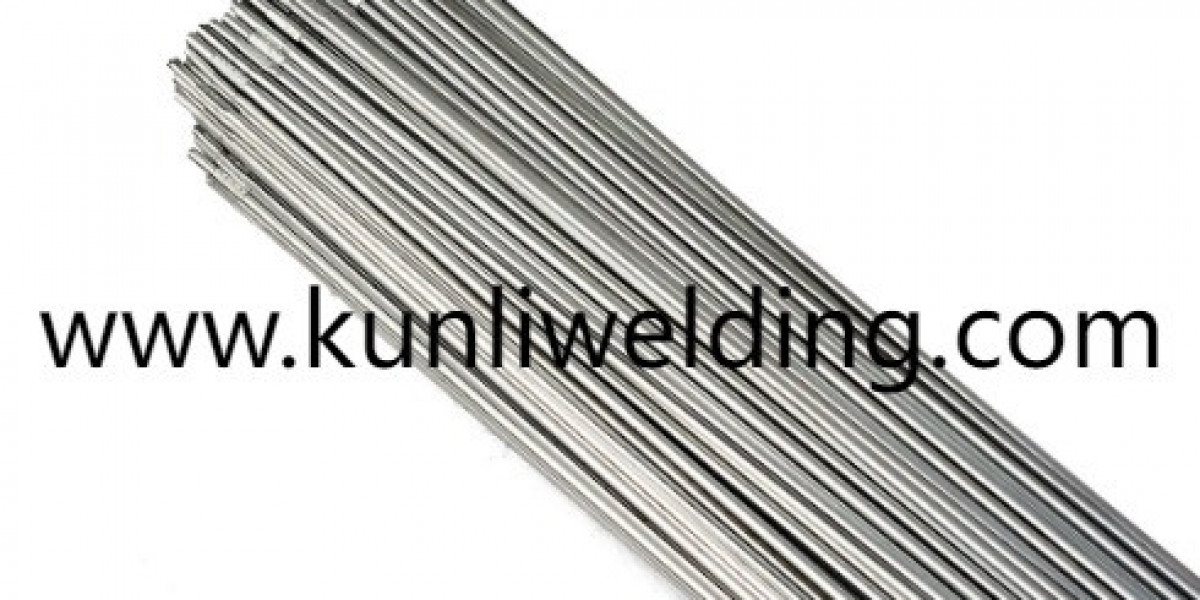

Electrical systems require conductors that efficiently carry current while managing heat generation and mechanical stress. Aluminum Braided Wire Manufacturers produce flexible conductors designed for applications ranging from grounding systems to power distribution connections. The Aluminum Braided Wire they supply must meet specific current carrying requirements, and understanding the factors that influence this capacity helps engineers select appropriate materials for demanding electrical applications.
Material purity plays a fundamental role in determining how effectively aluminum conducts electricity. Aluminum naturally offers good electrical conductivity, though not as high as copper. However, impurities and alloying elements within the aluminum can significantly reduce conductivity by disrupting the flow of electrons through the crystal lattice. Manufacturers who maintain strict control over material purity ensure their products achieve predicted current carrying performance without unexpected resistance that generates excess heat.
Cross sectional area represents the most obvious factor affecting current capacity. Larger conductors provide more pathways for electron flow, reducing resistance and allowing higher currents without excessive temperature rise. In braided configurations, the effective cross sectional area depends on how many individual strands comprise the braid and the diameter of each strand. Tightly packed braids with numerous fine strands can achieve similar current capacity to solid conductors of equivalent total area while maintaining flexibility.
Temperature effects create complex interactions in conductor performance. As aluminum carries current, resistance generates heat that raises conductor temperature. Higher temperatures increase electrical resistance, which generates more heat in a potentially problematic feedback loop. Effective current capacity depends on how much heat the conductor can dissipate to its surroundings without reaching temperatures that damage insulation, compromise mechanical properties, or create safety hazards.
Ambient conditions surrounding the conductor influence thermal management significantly. Conductors operating in still air dissipate heat less effectively than those exposed to moving air or direct contact with heat sinks. Enclosed installations where multiple conductors bundle together present greater thermal challenges than single conductors in open air. These environmental factors must be considered when determining safe current levels for specific installations.
Strand configuration within braided assemblies affects both electrical and mechanical performance. Individual strands may be arranged in various patterns, with some configurations providing better electrical contact between adjacent strands while others prioritize flexibility. Poor contact between strands increases overall resistance by forcing current to follow more tortuous paths through the braid structure. Contact resistance at strand intersections becomes particularly important in flexible applications where repeated bending may affect these contact points.
Surface oxidation presents ongoing challenges for aluminum conductors. Aluminum naturally forms a thin oxide layer when exposed to air, and this oxide exhibits poor electrical conductivity compared to the underlying metal. In braided configurations, oxide layers at strand contact points increase resistance and reduce current capacity. Manufacturers address this through various surface treatments and protective coatings, though these solutions add complexity and cost to production.
Frequency considerations matter in alternating current applications due to skin effect phenomena. Higher frequency currents concentrate near conductor surfaces rather than distributing uniformly across the entire cross section. This reduces the effective conducting area and increases resistance. Braided conductors with multiple small strands present more surface area relative to total volume compared to solid conductors, potentially offering advantages in certain high frequency applications while requiring careful analysis of effective capacity.
Installation methods impact mechanical stress on braided conductors, which in turn affects electrical performance. Tight bends or excessive pulling during installation can distort the braid structure, potentially breaking individual strands or creating gaps that increase resistance. Proper handling procedures protect conductor integrity and ensure that installed capacity matches design expectations.
Connection terminations represent critical points where resistance can accumulate if proper techniques are not followed. Braided conductors require termination methods that ensure good electrical contact across many individual strands. Compression fittings, welding, or soldering must be executed carefully to avoid creating high resistance joints that become hot spots during operation. Poor terminations can limit overall circuit capacity even when the conductor itself would handle higher currents.
Aging effects gradually degrade conductor performance over service life. Repeated thermal cycling causes expansion and contraction that may fatigue individual strands. Corrosion processes can progress despite protective measures, particularly in harsh environments. Regular inspection and testing help identify conductors approaching the end of their useful life before failures occur.
Duration of current flow influences safe capacity levels. Conductors can typically handle brief current surges that would be dangerous if sustained continuously. Short duration peaks allow conductors to absorb heat temporarily without reaching equilibrium temperatures that would develop under steady state conditions. Thermal time constants of the conductor and surrounding environment determine how surge capacity relates to continuous ratings.
Standards and codes provide guidance on current capacity calculations, incorporating safety factors and considering various installation conditions. However, these standards represent conservative approaches suitable for general applications. Specialized installations may require detailed thermal analysis to optimize conductor selection for specific operating conditions.
The interplay between these various factors makes current capacity determination more complex than simple cross sectional area calculations might suggest. Aluminum Braided Wire applications require careful consideration of electrical, thermal, mechanical, and environmental parameters to ensure safe and reliable performance throughout the intended service life.
Engineers and installers working with flexible aluminum conductors benefit from partnerships with manufacturers who understand these complexities and can provide technical guidance beyond basic product specifications. For comprehensive information on conductor selection and application support, https://www.kunliwelding.com/ offers resources that bridge material science with practical electrical engineering requirements.