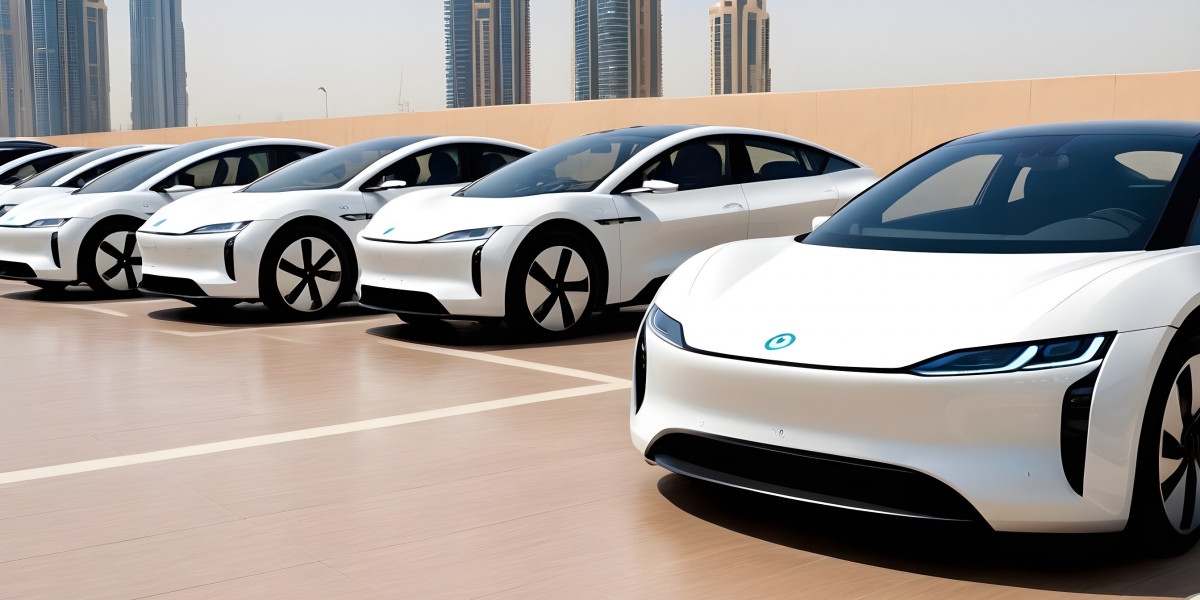

Dubai's commercial sector is witnessing a transformative shift as businesses across industries recognize the compelling economic and environmental benefits of electrifying their vehicle fleets. From delivery services and corporate transportation to logistics operations and service vehicles, the transition from petrol-powered fleets to electric vehicles supported by robust EV charging infrastructure in Dubai delivers substantial operational savings, enhanced corporate sustainability credentials, and strategic positioning for the future of transportation. This comprehensive guide explores the strategic, financial, and operational considerations for businesses planning fleet electrification and the commercial EV charging solutions in Dubai required to support successful transitions.
The Business Case for Fleet Electrification
Understanding the quantifiable benefits driving fleet electrification helps business decision-makers evaluate transition opportunities objectively against traditional fleet operations.
Dramatic Operating Cost Reductions: The most compelling advantage of electric fleet vehicles centers on reduced operating costs compared to petrol alternatives. Electricity costs for EV charging in Dubai average AED 0.25-0.35 per kWh for commercial operations, translating to approximately AED 0.05-0.08 per kilometer for typical commercial EVs. Comparable petrol vehicles cost AED 0.20-0.30 per kilometer at current fuel prices—a 60-75% reduction in fuel costs alone.
For a 50-vehicle fleet driving 30,000 kilometers annually per vehicle (1.5 million total kilometers), annual fuel costs are approximately AED 300,000-450,000 for petrol vehicles versus AED 75,000-120,000 for electric equivalents—savings of AED 180,000-330,000 annually on fuel alone. Over a typical five-year fleet lifecycle, these savings total AED 900,000-1,650,000.
Maintenance Cost Advantages: Electric vehicles eliminate numerous maintenance requirements of petrol vehicles including engine oil changes, transmission servicing, spark plug replacements, exhaust system repairs, and complex engine maintenance. EVs have fewer moving parts, simpler drivetrains, and regenerative braking systems that dramatically extend brake life. Maintenance costs for electric fleet vehicles typically run 40-50% below petrol equivalents, saving additional thousands per vehicle annually.
Enhanced Corporate Sustainability: Businesses face increasing pressure from customers, investors, and regulators to demonstrate environmental responsibility. Fleet electrification provides tangible, measurable emissions reductions that strengthen sustainability reporting, enhance corporate reputation among environmentally-conscious customers, support ESG (Environmental, Social, Governance) commitments, and position companies as industry sustainability leaders. For many Dubai businesses, fleet electrification represents the single largest carbon reduction opportunity available.
Government Incentives and Support: Dubai's government actively encourages commercial fleet electrification through reduced vehicle registration fees for electric vehicles, priority access to government contracts for companies demonstrating sustainability, streamlined permitting for commercial EV charging infrastructure, and potential future incentives as fleet electrification programs expand.
Strategic Fleet Transition Planning
Successful fleet electrification requires methodical planning addressing vehicle selection, infrastructure development, and operational integration rather than hasty wholesale fleet replacement.
Fleet Assessment and Prioritization: Begin by analyzing your current fleet operations to identify vehicles best suited for immediate electrification. Ideal candidates include vehicles with predictable daily routes and mileage patterns, those returning to central depots daily for overnight charging, urban delivery vehicles making frequent stops (where regenerative braking maximizes efficiency), and fleet segments where electric alternatives offer performance advantages.
Not all fleet vehicles suit immediate electrification—vehicles requiring extended range beyond current EV capabilities, those operating in areas without charging infrastructure, and specialized vehicles without electric equivalents may require phased approaches as technology advances.
Phased Implementation Strategy: Rather than attempting complete fleet conversion immediately, successful businesses implement phased transitions. Phase 1 converts 10-20% of fleet with ideal electric candidates, establishes initial commercial EV charging infrastructure, develops operational procedures and staff training, and measures performance against baseline expectations. Phase 2 expands based on Phase 1 results, converting additional vehicle categories and scaling charging infrastructure. Phase 3 achieves comprehensive electrification as technology matures and organizational capabilities develop.
Phased approaches manage financial investment, allow learning from early experiences before large-scale deployment, maintain operational continuity during transition periods, and adjust strategies based on real-world performance data.
Total Cost of Ownership Analysis: Comprehensive financial modeling comparing electric versus petrol vehicles over full lifecycle periods (typically 5-7 years) should include vehicle acquisition costs (EVs typically cost 20-40% more initially), fuel/charging costs over lifecycle (where EVs deliver 60-75% savings), maintenance costs (EVs save 40-50%), insurance costs (often comparable, sometimes lower for EVs), resale value projections (currently uncertain but improving as EV markets mature), and charging infrastructure investment amortized across fleet size.
Most fleet analyses show that despite higher acquisition costs, total cost of ownership favors electric vehicles within 3-4 years, with advantages increasing over longer periods.
Charging Infrastructure Requirements
Fleet electrification success fundamentally depends on robust, strategically designed EV charging infrastructure in Dubai supporting operational requirements.
Depot Charging Solutions: Most fleet operations utilize depot charging where vehicles charge overnight at central facilities during non-operational hours. Depot installations require capacity planning based on total fleet size and growth projections, vehicle battery capacities and charging requirements, available overnight charging windows, and existing electrical infrastructure capacity. A 50-vehicle fleet requiring overnight charging needs approximately 10-20 charging stations (assuming 8-10 hour overnight windows allowing multiple vehicles to charge sequentially) delivering 7-22kW per station. Total electrical capacity requirements range from 100-400kW depending on simultaneous charging demand and load management implementation.
Opportunity Charging Strategies: Some operations benefit from opportunity charging—brief charging sessions during vehicle idle time throughout the day. Delivery operations can install charging at distribution centers for charging during loading operations, corporate fleets can use workplace charging during office hours, and service vehicles can access public commercial charging stations in Dubai during service calls. Opportunity charging extends vehicle range and operational flexibility, particularly for high-utilization fleets.
Fast Charging for Time-Sensitive Operations: Fleet operations requiring rapid vehicle turnaround may need DC fast charging infrastructure delivering 50-150kW for 30-minute charging sessions. Fast charging infrastructure costs significantly more than Level 2 depot charging (AED 80,000-150,000 per station versus AED 15,000-25,000) but enables operations impossible with slower charging. Evaluate whether operational requirements genuinely necessitate fast charging or whether improved route planning and additional vehicles can achieve objectives with slower, less expensive depot charging.
Load Management and Electrical Optimization: Rather than electrical infrastructure sized for theoretical maximum load if all vehicles charged simultaneously at full power, intelligent load management systems dynamically distribute available electrical capacity across charging stations based on demand. These systems reduce electrical upgrade requirements by 40-60%, dramatically lowering infrastructure costs. Eurosec's EV charging solutions Dubai include sophisticated fleet-optimized load management that considers vehicle priority (vehicles departing earliest charge first), battery state of charge, scheduled departure times, and electricity rate structures (prioritizing charging during off-peak low-rate periods).
Scalable Infrastructure Design: Initial installations should include electrical capacity and conduit infrastructure supporting future expansion without major reconstruction. As fleet electrification accelerates, adding charging stations should involve equipment installation only, not electrical system overhauls.
Operational Integration and Management
Electrified fleets require adapted operational procedures and management systems ensuring smooth integration with business operations.
Charging Scheduling and Management: Fleet management systems should integrate charging operations including automated scheduling ensuring vehicles charge sufficiently for next-day operations, priority systems giving vehicles with lowest charge or earliest departure preferential charging access, real-time monitoring of charging status and completion times, and automated alerts if vehicles fail to charge or charging anomalies occur.
Modern fleet management platforms integrate directly with commercial EV chargers in Dubai, providing centralized visibility and control over entire charging operations.
Driver Training and Adaptation: Successful fleet electrification requires comprehensive driver training covering EV-specific driving techniques (smooth acceleration, regenerative braking optimization), charging procedures and protocols, range management and monitoring, emergency procedures if vehicles run low on charge, and reporting requirements for vehicle or charging issues.
Route Optimization: Fleet routing software should adapt to EV characteristics including optimizing routes for energy efficiency rather than just distance/time, considering elevation changes (significant climbs consume more energy), incorporating charging opportunities into route planning, and adjusting schedules for realistic EV range capabilities.
Performance Monitoring: Establish key performance indicators tracking fleet electrification success including actual cost per kilometer versus projections, vehicle uptime and reliability, charging infrastructure utilization, driver satisfaction and adaptation, and emissions reductions achieved. Regular performance reviews identify opportunities for operational improvements and inform expansion decisions.
Vehicle Selection for Commercial Applications
Different commercial applications require vehicles with specific characteristics suited to operational requirements.
Delivery and Logistics: Electric delivery vehicles from manufacturers like Mercedes (eSprinter, eVito), Maxus (eDeliver), Fuso (eCanter), and BrightDrop offer 150-250 kilometer ranges suitable for urban delivery routes, payload capacities comparable to diesel equivalents, and low operating costs critical for delivery economics.
Corporate Transportation: Premium electric sedans and SUVs from Tesla, Mercedes (EQS, EQE), BMW (iX, i4), and Audi (e-tron) provide appropriate vehicles for executive transportation, client services, and corporate fleet applications with 400-600 kilometer ranges, luxury appointments meeting corporate standards, and strong brand images.
Service and Maintenance Fleets: Electric vans and pickup trucks are becoming available for service operations, though selection remains more limited than passenger vehicles. Consider models from Ford (E-Transit), Rivian (electric trucks), and emerging regional options as this segment develops rapidly.
Specialized Applications: Some industries require specialized vehicles that don't yet have electric equivalents. Work with vehicle suppliers on timeline projections for electric versions of specialized equipment or consider alternative approaches like electric base vehicles with specialized equipment adaptations.
Financial Structuring and Investment
Multiple approaches exist for financing fleet electrification and commercial charging infrastructure in Dubai.
Capital Purchase: Traditional outright purchase using operating capital or dedicated financing for fleet acquisition and charging infrastructure. This approach provides full ownership and control but requires substantial upfront capital investment.
Operating Leases: Vehicle and equipment leasing spreads costs over time while maintaining off-balance-sheet treatment. Operating leases work well for businesses wanting to avoid obsolescence risk as EV technology rapidly evolves.
Fleet-as-a-Service Models: Emerging business models provide complete fleet electrification solutions including vehicles, charging infrastructure, maintenance, and management for monthly per-vehicle fees. These comprehensive solutions minimize capital requirements and operational complexity.
Charging Infrastructure Partnerships: Some businesses partner with charging infrastructure providers who install and maintain commercial charging equipment in exchange for access fees or revenue sharing from charging operations. This approach works particularly well for businesses with excess parking capacity that can monetize charging infrastructure through CPO business models in Dubai.
Regulatory Compliance and Incentives
Fleet electrification involves regulatory considerations and potential incentive opportunities.
DEWA Requirements: All commercial EV charging installations in Dubai require DEWA approval and must meet technical specifications. Fleet depot charging facilities need proper permitting demonstrating adequate electrical capacity and safety compliance. Experienced installers like Eurosec manage all regulatory requirements ensuring smooth approval processes.
CPO Licensing for Revenue Generation: Fleets with excess charging capacity during non-operational hours can obtain CPO licenses in Dubai, allowing public access to charging infrastructure when fleet vehicles aren't using it. This approach generates revenue offsetting charging infrastructure costs. Establishing CPO EV charger businesses in Dubai requires additional licensing but creates attractive revenue opportunities for fleets with substantial charging infrastructure.
Environmental Reporting: Fleet electrification supports corporate sustainability reporting through quantifiable emissions reductions calculated based on fleet size and usage, comparative analysis showing improvement over previous petrol fleet operations, and alignment with Dubai's Clean Energy Strategy demonstrating contribution to emirate-level sustainability goals.
Risk Management and Mitigation
Fleet electrification involves risks requiring proactive management ensuring successful transitions.
Range Anxiety Management: Address driver range concerns through comprehensive training on actual vehicle capabilities, conservative initial route assignments building confidence, backup charging solutions for emergencies, and gradual expansion of route distances as experience develops.
Charging Infrastructure Reliability: Equipment failures can impact entire operations if vehicles can't charge overnight. Mitigate this risk through redundant charging capacity (install 20-30% more stations than minimum requirements), maintenance contracts ensuring rapid response (Eurosec's EV charger service Dubai programs provide 24/7 fleet support), backup charging arrangements with nearby facilities, and hybrid fleet retention temporarily maintaining some petrol vehicles during transition periods.
Technology Obsolescence: Rapid EV technology advancement creates risks that today's investments become outdated quickly. Manage through phased approaches avoiding over-commitment to specific technology generations, leasing rather than purchasing where appropriate, and selecting charging infrastructure supporting firmware updates and new standards.
Case Study: Delivery Fleet Transformation
A Dubai logistics company operating 30 diesel delivery vans covering 40,000 kilometers annually per vehicle implemented phased electrification. Phase 1 converted 10 vehicles to electric, installed 5 Level 2 charging stations at their depot through Eurosec's commercial charging solutions, and implemented charging management software.
Results After 18 Months:
Operating costs decreased 68% per vehicle (AED 0.22 to AED 0.07 per kilometer)
Annual savings of AED 240,000 on the 10-vehicle pilot
Maintenance costs reduced 45% compared to diesel equivalents
Zero unplanned downtime due to charging issues
Driver satisfaction increased due to quieter, smoother vehicles
Customer feedback highlighted sustainability leadership
Based on these results, the company expanded to 20 electric vehicles in Phase 2, with plans for complete fleet conversion by 2027.
Regional Implementation
Fleet electrification strategies apply across UAE operations, with Eurosec providing consistent commercial EV charging infrastructure in Dubai and Abu Dhabi, enabling businesses with multi-emirate operations to implement uniform fleet electrification approaches.
Future-Proofing Fleet Operations
As technology evolves, fleet operations should prepare for autonomous electric vehicles requiring automated charging systems, vehicle-to-grid capabilities allowing fleets to provide grid services, and ultra-fast charging enabling operations previously impossible with current technology.
Partnering with Fleet Electrification Experts
Eurosec's comprehensive fleet electrification services include fleet assessment and transition planning, customized commercial charging infrastructure design, turnkey installation and commissioning, fleet management system integration, driver training programs, ongoing maintenance and support, and performance monitoring and optimization.
Conclusion
Fleet electrification represents one of the most impactful sustainability and cost reduction opportunities available to Dubai businesses. Through strategic planning, appropriate commercial EV charging infrastructure in Dubai, comprehensive operational integration, and partnership with experienced providers like Eurosec, businesses achieve substantial economic benefits while demonstrating environmental leadership and positioning for the future of commercial transportation.
The transition from petrol to electric fleets is not merely an operational change—it's a strategic transformation that enhances competitiveness, reduces costs, and aligns businesses with Dubai's sustainable future vision.