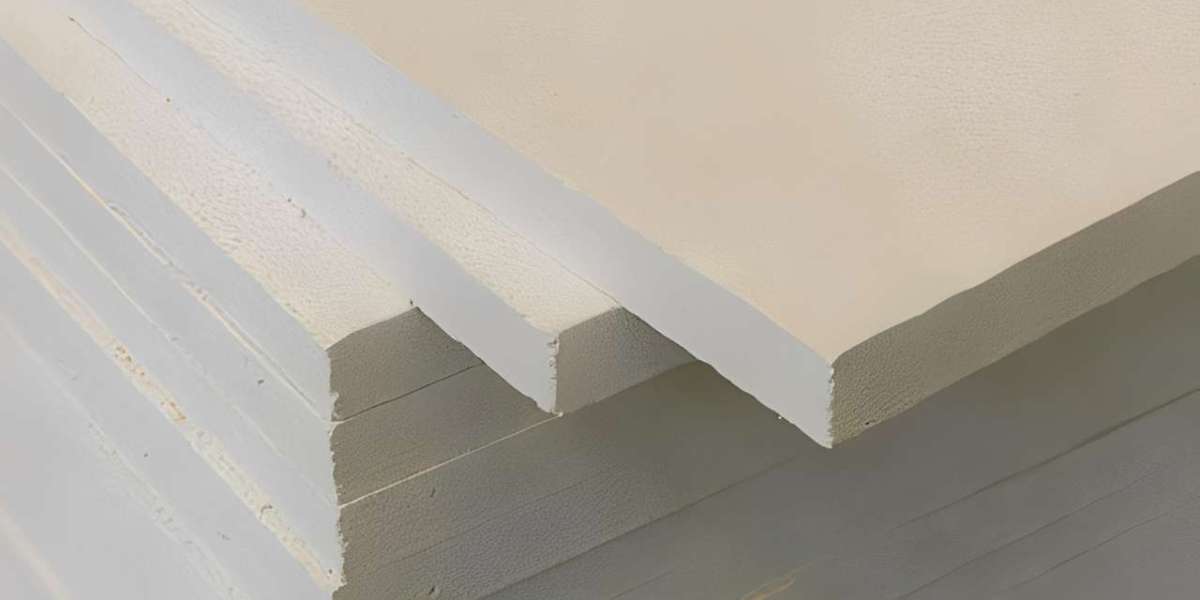

Monolux Thermal Insulating Sheet
Monolux Thermal Insulating Sheet is a practical material used to manage heat in compact electrical and industrial assemblies. In many systems where electronics, cables, and sensitive components operate closely together, effective heat control is essential for maintaining performance and safety.
In such environments, Monolux Thermal Insulating Sheet becomes an important solution for thermal management. It helps reduce heat transfer between components, stabilise operating temperatures, and protect nearby parts from excessive thermal exposure. By maintaining controlled thermal conditions, it supports safer, more reliable performance in everyday electrical and industrial applications.
Why thermal insulation matters in compact systems
Heat is not always obvious until it causes trouble. As power density increases, temperature rises can affect connectors, switches, LEDs, controllers, and even nearby grips and tools.
When thermal energy spreads into areas that should stay cooler, you may see:
Drifting sensor readings and unstable control behaviour
Premature ageing of capacitor components and insulation
Reduced efficiency in laptops, embedded boards, and control panels
Higher risk around contactors, fuses, and wiring junctions
A dedicated insulating layer can help keep thermal movement predictable, which supports consistent performance and longer service life.
What is Monolux Thermal Insulating Sheet?
Monolux Thermal Insulating Sheet is designed to resist heat flow while remaining usable in real installations. It is typically applied as a cut sheet or liner to create a thermal barrier between warm and heat sensitive parts.
In many builds, it is used to separate:
Hot zones such as power stages, resistors, and driver sections
Sensitive zones such as sensors, microcontrollers, and signal paths
Physical interfaces near switches, grips, and operator touch points
Because it is sheet based, it can fit flat surfaces, wrap around specific areas, or be layered where extra protection is needed.
Key benefits for electronics and electrical assemblies
Using the right insulating sheet can improve both performance and maintenance outcomes.
Common benefits include:
Improved thermal stability for electronics and controllers
Better protection for cables and connector housings near heat sources
Reduced thermal stress that can degrade fuses and switching elements
More comfortable surface temperatures around tools and grips
Cleaner thermal zoning in enclosures with contactors and power distribution
Just as importantly, a predictable thermal barrier can make troubleshooting easier because temperature behaviour becomes more consistent.
Typical applications and where it fits best
Monolux Thermal Insulating Sheet is most relevant where heat control must be achieved without redesigning the entire enclosure. It can be used in many setups, including industrial panels, automation cabinets, and compact devices.
You often see value in:
Control panels with mixed voltage wiring, contactors, and controllers
Cable routes that pass near warm components or tight bends
Electronics near thermal pads that manage heat on other parts
Sensor mounts where heat would bias measurements
Assemblies that include microprocessors and microcontrollers in close proximity to power components
Devices with LEDs and drivers where heat can reduce brightness or lifetime
In portable equipment, it can also be helpful near surfaces that operators touch, especially when tools, grips, and wiring share a confined structure.
How to choose the right sheet for your project
Selection should focus on real operating conditions, not just a single temperature value. Consider the full thermal path, nearby materials, and how the part will be installed.
Thermal and environmental requirements
Start with the temperature range and the expected exposure time. Also consider whether oils, dust, or vibration are present.
Check for:
Operating temperature limits for the sheet in your environment
Compatibility with oils, cleaning fluids, and industrial residues
Performance stability over time near warm electronics
Mechanical fit and installation constraints
An insulating sheet must be practical to cut, place, and secure. If it shifts, curls, or binds against other parts, it can reduce effectiveness.
Look at:
Thickness versus available clearance near connectors and switches
Flexibility for routing around cables or tight corners
Compression behaviour if used under covers or plates
Electrical safety considerations
In electrical assemblies, safety is not optional. Treat the sheet as part of the insulation strategy, not a decoration.
Ensure:
Suitable dielectric properties for nearby conductors
Safe spacing around contactors, fuses, and terminal blocks
Alignment with internal safety requirements for the build
If your design includes high current paths, focus on robust separation between hot power sections and sensitive control sections.
Best practices for installation and handling
Good results come from careful fitting. Rushed installation can leave gaps that allow heat to bypass the barrier.
Use these practical steps:
Clean surfaces so the sheet sits flat and consistent
Measure and cut with clear margins around mounting points
Avoid blocking airflow that the enclosure relies on for cooling
Pair insulation with thermal pads only when each layer has a clear purpose
Keep sensor areas consistent so readings remain reliable
Inspect nearby cables for rubbing points and add protection where needed
When working around electronics, use appropriate safety tools and follow safe isolation procedures, especially in panels that contain contactors and switching devices.
Common mistakes to avoid
A thermal barrier works best when it matches the thermal problem.
Avoid these frequent issues:
Adding insulation where the real need is heat spreading or heatsinking
Using the sheet to cover components that require direct cooling
Leaving gaps around edges that create direct heat bridges
Ignoring chemical exposure from oils or industrial cleaning methods
Forgetting that connectors, switches, and LEDs may have their own temperature limits
If the assembly includes microprocessors, controllers, or a sensitive capacitor network, validate temperature behaviour after installation with basic measurements.
Where Monolux Thermal Insulating Sheet adds the most value
If your product combines power and control in a compact footprint, heat control becomes part of product quality. Monolux Thermal Insulating Sheet can support a cleaner internal thermal layout, helping protect electronics, stabilise sensors, and reduce heat impact on cables, fuses, and switches.