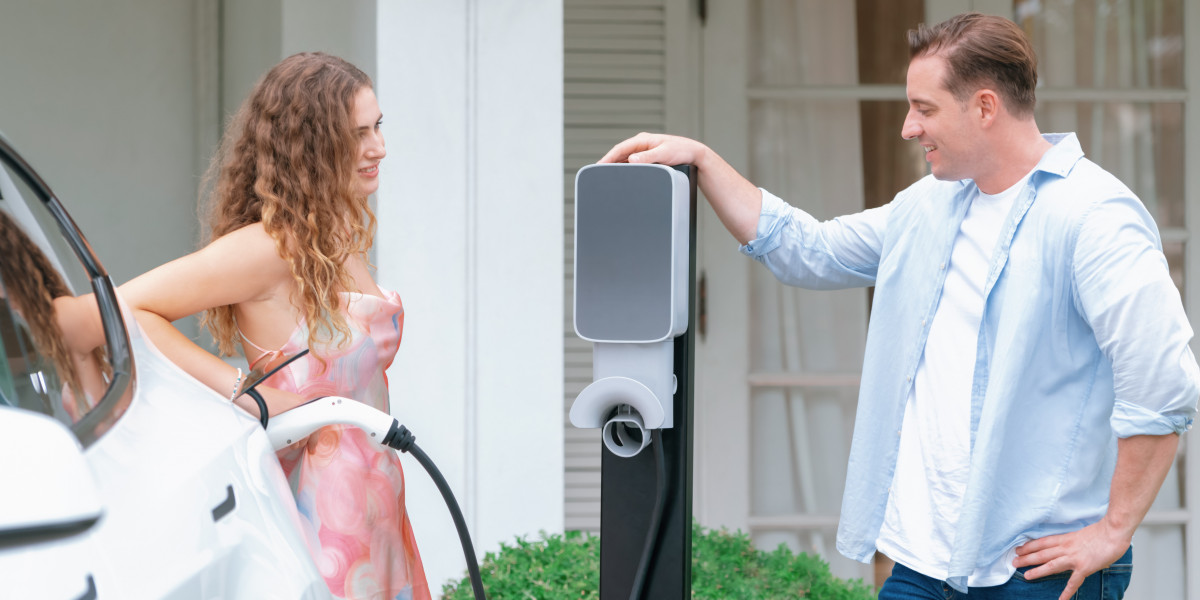

Imagine a premium tenant scrolling Bayut for a villa in Dubai Hills Estate—your property stands out because it offers home EV charging, securing a 5% rent premium and a 20-day faster let. Dubai's rental market has shifted dramatically with EV adoption surging from 35,000 vehicles today to a projected 120,000 by 2028 at 60-80% annual growth. EV owners—high-income professionals earning AED 25,000+ monthly, tech-savvy, and quality-focused—prioritize charging infrastructure, just as they once demanded high-speed internet. Premium spots like Arabian Ranches 3 and Business Bay towers now standardize chargers, leaving non-equipped properties with longer vacancies and complaints. This guide unpacks investment returns, cost-sharing strategies, and legal frameworks via EV charger installations in rental properties, empowering landlords to boost value and tenants to negotiate access.
Unlock Premium Rents and Loyal Tenants: The Numbers Don't Lie
Picture listing your AED 180,000 annual villa without a charger—35-45 days vacant, costing AED 9,863 in lost income—versus an equipped one letting in 15-25 days with a 3-7% premium (AED 9,000 extra yearly) and 18-month tenancies. Apartments gain 2-5% uplifts too, standing out in crowded markets. EV owners bring stability: higher credit scores, better maintenance, and reluctance to relocate without charging. Long-term, chargers future-proof your asset, adding 0.5-1% value now (rising to 2-3% by 2028) and speeding sales to modern buyers. A typical AED 4,500 villa install (7-22kW options from AED 2,500-7,000) recoups in 3-8 months via premiums and vacancy savings, with apartments at AED 5,000-12,000 where feasible.
Landlord's Playbook: Turn Chargers into Profit Without the Risks
As a landlord in Springs, weigh the upsides: immediate rent boosts in competitive areas, quality tenants reducing turnover, and asset appreciation akin to adding a pool. Costs are straightforward—AED 4,500 average for villas, AED 200-400 yearly maintenance (tenant pays electricity)—with tax perks like depreciation as capital improvements. Mitigate risks by retaining equipment ownership in tenancy agreements, covering damages via deposits, securing DEWA-permitted installs, and choosing durable brands like Schneider or Wallbox with local warranties. Insure easily (minimal premium hikes) and inspect annually. The result? Properties that sell faster and higher, dodging future value discounts as mandates loom.
Tenant's Smart Negotiations: Get Charging Without Breaking the Bank
You're an EV driver eyeing a low-rise apartment—propose value to the landlord: a 2-3 year lease for their full AED 4,500 install, or split 60/40 (your AED 1,800 share) for shared wins. Tenant-funded works best (85-90% acceptance): pay upfront for rent cuts (e.g., AED 187/month over 2 years) and negotiate removal or 50% buyback rights. Always amend RERA contracts detailing costs, ownership, maintenance, and DEWA approvals (landlord-signed). If blocked, portable 2.8-3.5kW plug-ins offer slow (12-15 hour) backups for low-mileage days, supplemented by free workplace or AED 1.50-2.50/kWh public options totaling AED 150-300 monthly versus home's AED 80-120.
Win-Win Templates: Agreements That Protect Everyone
Landlord-Funded: They cover AED 4,500; you pay 3-5% premium, commit 2 years, maintain equipment—ROI in 12-18 months plus value gains. Cost-Share: 60% landlord/AED 2,700, 40% tenant/AED 1,800; no premium, 2-3 year term, proportional maintenance, AED 500 bonus for completion. Tenant-Funded: You install; options for ownership/removal, landlord buyback, or transfer—no premium, flexible terms. Pros handle all via licensed EV charger installation services, including permits, docs, and warranties—transparent pricing fits any split. Consult tax pros: landlords deduct as expenses; tenants may claim moving costs.
Future-Proof Now: Regulations and Market Shifts Ahead
Dubai eyes mandates for new builds and retrofits with incentives—install early for advantages as EVs hit 15-20% share by 2027-2028, making chargers standard like AC. Landlords gain lasting premiums; tenants ensure EV viability.
Ready to elevate your property or secure charging? Explore tailored home EV charging solutions in Dubai at goevcharger.com.