The top insulation types for maximum energy savings are spray foam insulation, fiberglass, cellulose, and mineral wool. These materials work by blocking the flow of heat, keeping a house warmer in winter and much cooler in summer. By selecting the right material for specific areas like attics or crawl spaces, homeowners can significantly reduce their monthly power costs.
This overview provides a detailed look at how these materials perform in real-world conditions. Experts in the field have tested these options to determine which ones offer the best return on investment for long-term savings. The following details help residents decide which path fits their specific building needs and budget without wasting money on the wrong products.

Spray Foam for Total Air Sealing
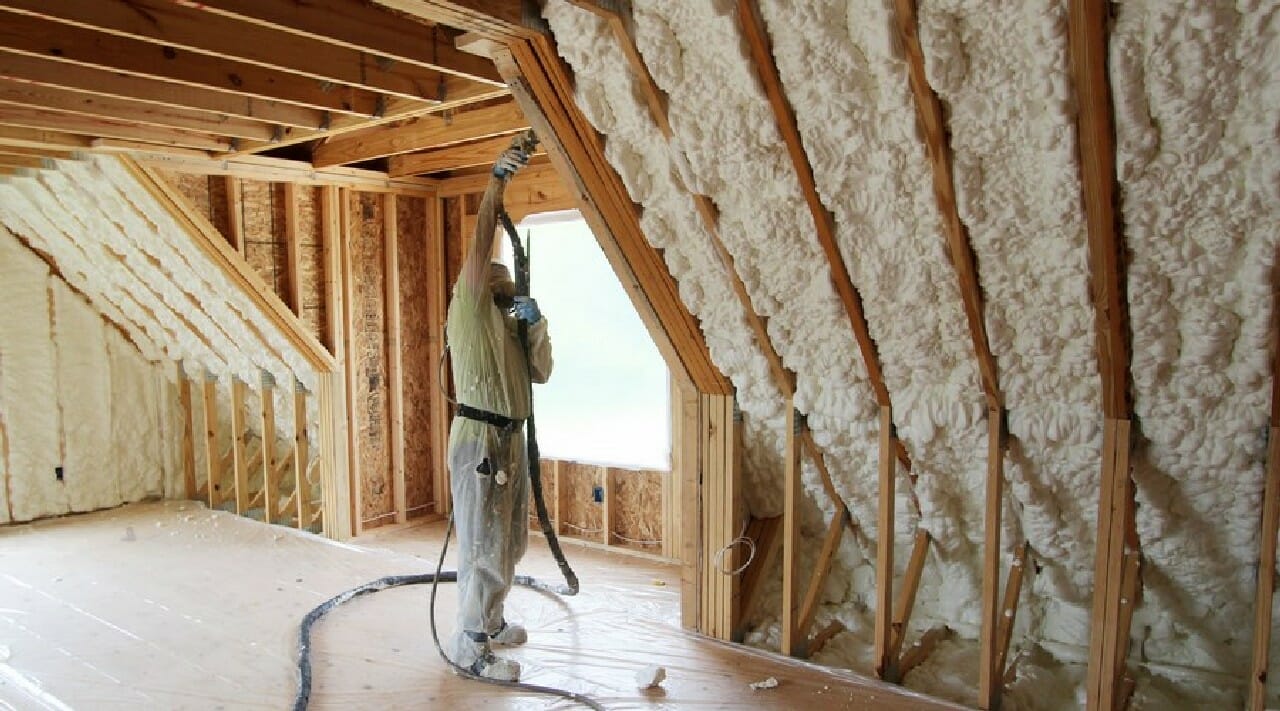
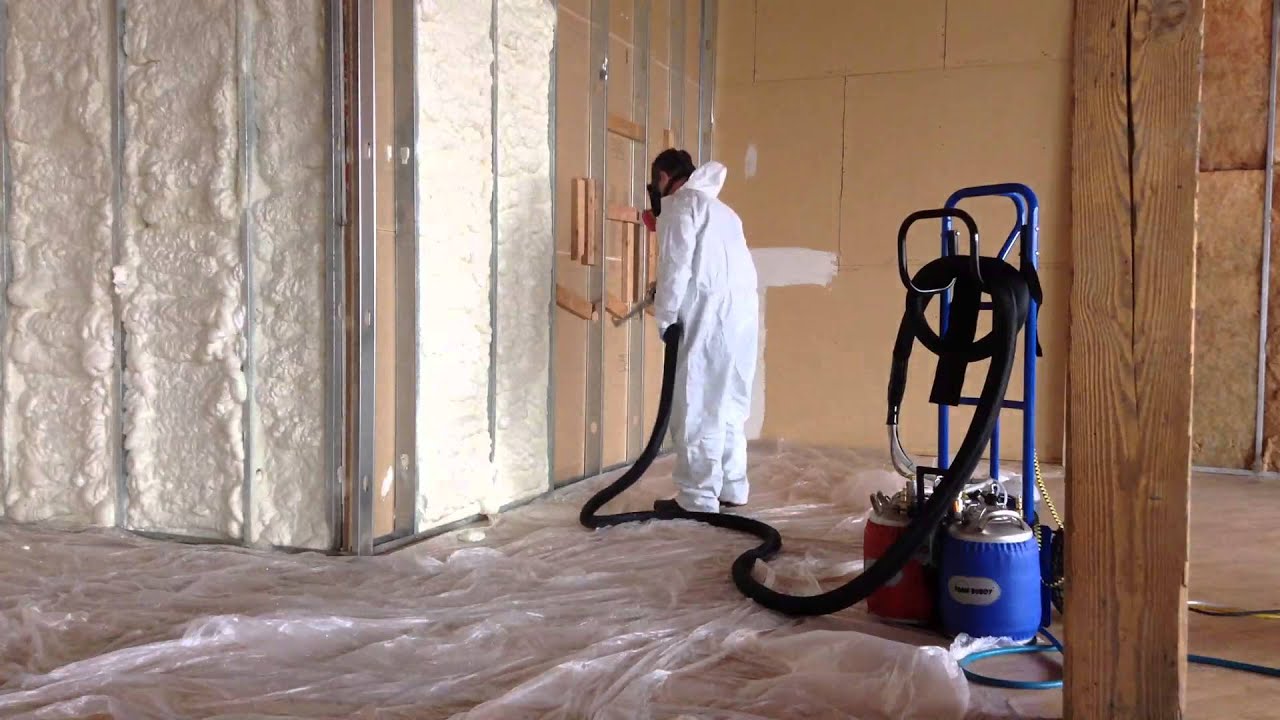
Spray foam is widely considered the most effective option because it stops air leaks by expanding into every tiny gap. This material creates a custom fit within wall cavities and roof lines that other materials simply cannot match. It remains a top choice for those looking to eliminate drafts and cold spots in their living areas forever.
A professional application of high-quality Insulation ensures that a home stays airtight and energy efficient throughout the changing seasons.
It expands up to 100 times its original liquid volume to fill even the smallest cracks in the wood frame.
This material serves as both a heat and an air barrier, providing double protection.
It does not sag or settle over time, so energy savings remain consistent for many decades.
Closed-cell versions also provide a barrier against water, which is very helpful in damp or rainy regions.
Closed Cell and Open Cell Options
There are two main versions of foam that professionals use depending on the location of the project. Closed-cell foam is very dense and strong, making it perfect for exterior walls or damp crawl spaces. Open-cell foam is lighter and more affordable, often used for interior walls to help with noise control and basic heat blocking.
Strength and durability
Closed-cell foam adds structural strength to the walls of a house once it hardens into a solid state. This makes it a great choice for areas that face high winds or heavy coastal storms. It stays in place and does not break down even when exposed to a lot of building vibration or movement.
Bonus Tip
When using spray foam in an attic, consider a "hot roof" design that seals the roof deck directly. This involves spraying the foam onto the underside of the roof boards rather than the floor of the attic. It brings the attic into the temperature-controlled part of the house, which can further lower cooling costs during hot months.
Fiberglass Batts and Blown Options
Fiberglass is the most common material used in residential buildings today because it is widely available and easy to install. It consists of wonderful glass fibers that trap air to slow down the movement of heat through walls and ceilings. It comes in long rolls called batts or can be blown in as loose fill for large attic spaces.
It is one of the most budget-friendly options for homeowners looking to upgrade their home on a tight budget.
The material is naturally fire-resistant because it is made from recycled glass and sand rather than paper.
It does not shrink over time if it is kept dry and installed correctly by a professional team.
Modern versions use fewer chemicals and are much safer for indoor air quality than older products.
Loose Fill for Attic Spaces
Blown-in fiberglass is excellent for attics with many corners or low-sloping roofs that are hard to reach. The machine sprays a thick layer over the floor of the attic, covering the tops of the wooden beams entirely. This creates a fluffy blanket that keeps the heat from escaping through the roof during the cold winter months.
Proper depth matters
To get the best energy savings, the fiberglass must reach a specific thickness recommended for the local area. If the layer is too thin, heat will still escape through the gaps in the fluffy material. Professionals use rulers to make sure every inch of the attic is covered properly to the right height.
Additional Information
Recent data suggests that upgrading from old, thin layers to modern standards can save up to 15 percent on heating. Market reports also show that homes with better efficiency ratings sell faster than those with high utility bills. Investing in better materials pays off when it comes time to move or sell the property to a new owner.
Cellulose for Eco-Friendly Savings
Cellulose is made mostly from recycled paper and cardboard that has been treated to resist fire and pests. It is a very dense material that blocks airflow well, making it more effective than standard fiberglass in many cases. It is often blown into existing walls or attics to fill empty spaces quickly without a big mess.
It is a great choice for people who want to use recycled materials in their home-building project.
The density of the paper fibers helps block external noise from traffic or noisy neighbors.
Special treatments make it very unattractive to insects and small animals like mice or rats.
It can be packed tightly into walls to stop the air from rising through the wooden studs.
Installation in Older Homes
Cellulose is ideal for older houses with no wall protection between the inner and outer walls. A small hole is drilled in the exterior siding, and the material is pumped in until the wall is full. This avoids the need to tear down the drywall inside the house to add new protection.
Bonus Tip
Always check that the cellulose is treated with borate rather than using other types of salts. Borate provides the best protection against fire and pests while being very safe for the people living in the house. It also prevents the material from becoming too dusty over time as it sits in the walls.
Mineral Wool for Fire Safety
Mineral wool is made from stone or metal slag that is melted and spun into thick, heavy fibers. It is much heavier and denser than fiberglass, giving it superior heat-blocking in tight spaces. This material is often chosen for its exceptional ability to withstand high heat and to prevent the spread of fire between rooms.
Soundproofing Benefits
Many people choose mineral wool for home offices or media rooms because it stops sound so well. It blocks the low rumble of machines and the high-pitched voices from other parts of the house. This creates a much more peaceful living environment while still saving significant energy each month.
Comparing the Top Options
Each material has different strengths depending on where it is being used in the home. A basement might need something that resists water, while an attic needs something light and fluffy to cover the floor. This table helps compare the general performance of the top choices based on common homeowner needs and goals.
Material | Best Use | Air Sealing | Fire Rating | Cost Level |
|---|---|---|---|---|
Spray Foam | Roof & Walls | High | Good | High |
Fiberglass | Attics | Low | Excellent | Low |
Cellulose | Existing Walls | Medium | Excellent | Medium |
Mineral Wool | Soundproofing | Low | Superior | Medium |
Things to Consider Before Making a Decision
Homeowners should consider several factors before choosing their new material for a project. The local weather plays a huge role in which material performs best over the long term. It is also important to consider the house's current condition and whether any repairs are needed before the work starts.
Check for any roof leaks or plumbing drips that could make the new material wet and heavy.
Think about how long the family plans to stay in the home to see if the savings will pay off.
Look at the areas that feel the coldest in the winter to see where the air is leaking out most.
Ask a professional about the local building codes to ensure the new work meets all safety rules.
Common Questions About High Performance Savings
Which material saves the most money?
Spray foam usually provides the highest savings because it stops air leaks and reduces heat transfer. While it costs more to install, the monthly bills drop more significantly than with other choices. Over several years, the extra cost is often offset by lower utility payments to the power company.
Can I mix different types of materials?
Yes, many people use a method where they spray a thin layer of foam and then add fiberglass on top. This provides the air-sealing benefits of foam with the lower cost of fiberglass batts. It is a very effective way to get high performance without needing a huge budget for the entire project.
How do I know if I need more?
If the wooden beams in the attic floor are visible, there is likely not enough material to protect the house. A well-protected attic should have a thick, even layer that covers all the wood completely. Also, if the rooms on the top floor feel much hotter than the ground floor, it is time for an upgrade.
Is recycled material as good as new material?
Recycled options like cellulose are often better at blocking air than standard fiberglass because they are denser. They are very heavy and do a great job of keeping the house quiet and warm in all seasons. They undergo rigorous testing to ensure they are safe and fire-resistant for residential use.
How long does the installation take?
Most homes can be finished in just one or two days, depending on the size of the project and the material chosen. A professional team works quickly to minimize the disruption to the family and the daily routine. Once the work is done, the energy savings start the very same day the heater or air conditioner is turned on.
Summary of Energy Saving Choices
Choosing one of the top materials is a reliable way to make a home more comfortable for the family. Whether a person decides on foam for its air-sealing or mineral wool for its fire safety, the result is a more efficient house. Homeowners should look at their specific goals, such as noise reduction or low cost, to make the best choice. Taking the time to evaluate the building now will prevent high bills and cold drafts for many years to come.
Connect with Local Energy Experts
For those ready to improve their home comfort, All Foam & Insulation, LLC provides expert guidance. They understand the unique needs of local buildings and can suggest the best products for maximum savings. Readers can send an email to joe@allphasewx.com to ask about their specific situation. They can also call (541) 826-9600 to speak with a professional about a project. Reaching out to a trusted team ensures that the work is done safely and correctly for the best long-term results.
Reviewer: Lily Johnson offered her feedback after reviewing this post. With 8 years in the spray foam insulation field, her suggestions focused on improving outreach to homeowners seeking high-quality insulation solutions.