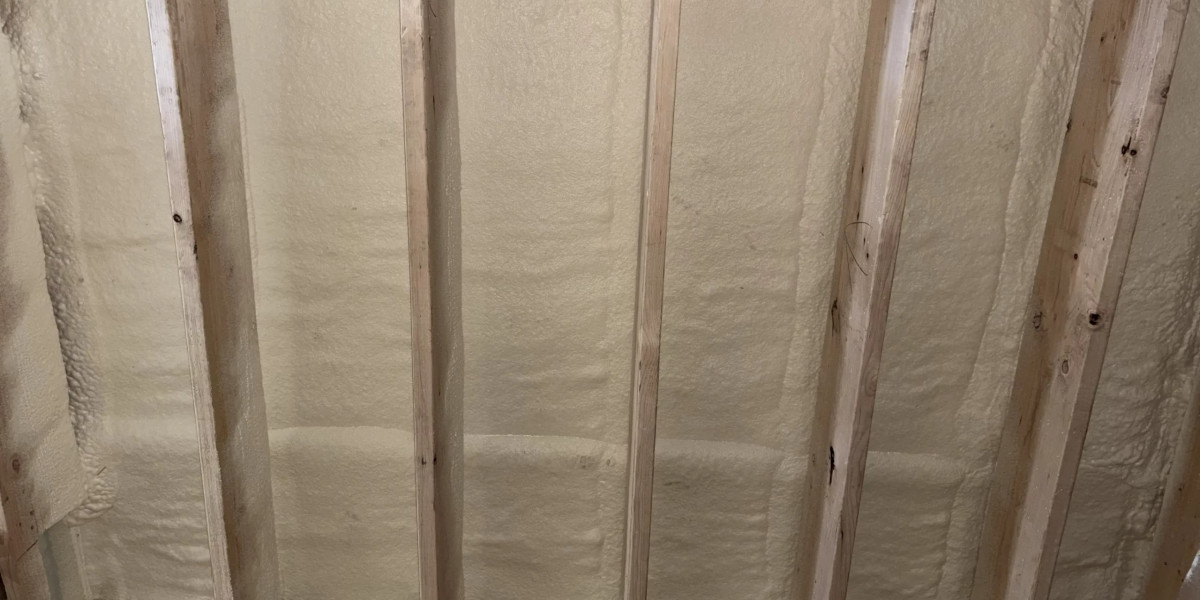

Spray foam insulation fixes problems that many property owners notice but rarely connect to insulation. These issues affect comfort, durability, and energy use over time.
Quick answers that matter most
- Spray foam stops hidden air leaks that drive uneven temperatures
- It controls moisture movement that leads to long-term damage
- It improves indoor comfort without changing the building layout
Hidden Comfort and Performance Problems in Modern Buildings
Many homes and commercial buildings suffer from performance issues that stay hidden behind walls and ceilings. These problems often show up as higher energy bills, poor comfort, or maintenance concerns rather than visible damage.
Spray foam insulation addresses these issues at the source by sealing gaps and stabilizing the building envelope. According to guidance from the U.S. Department of Energy on air sealing and insulation, controlling air movement is one of the most effective ways to improve overall efficiency and comfort.
Below are five subtle but common issues that professional spray foam work helps resolve.
Issue One: Why Do Rooms Feel Drafty Even When Windows Are Closed
Drafts often come from small gaps in walls, attics, and floor systems. These gaps allow outside air to move freely through the structure.
Cause
Traditional insulation does not stop airflow. Air moves around it through wiring holes, framing joints, and seams.
Outcome
Spray foam expands into these gaps and creates an air-tight layer. This reduces drafts and helps rooms hold a steady temperature.
Issue Two: Uneven Temperatures Between Floors and Rooms
Temperature differences often frustrate property owners, especially in multi-story buildings.
Cause
Air leakage and heat transfer through unsealed cavities allow warm air to escape in winter and enter in summer. The Building Science Corporation’s research on air barriers shows that uncontrolled air movement is a leading cause of comfort imbalance.
Outcome
Spray foam limits air movement between spaces. This balances temperatures and reduces the need for constant thermostat adjustments.
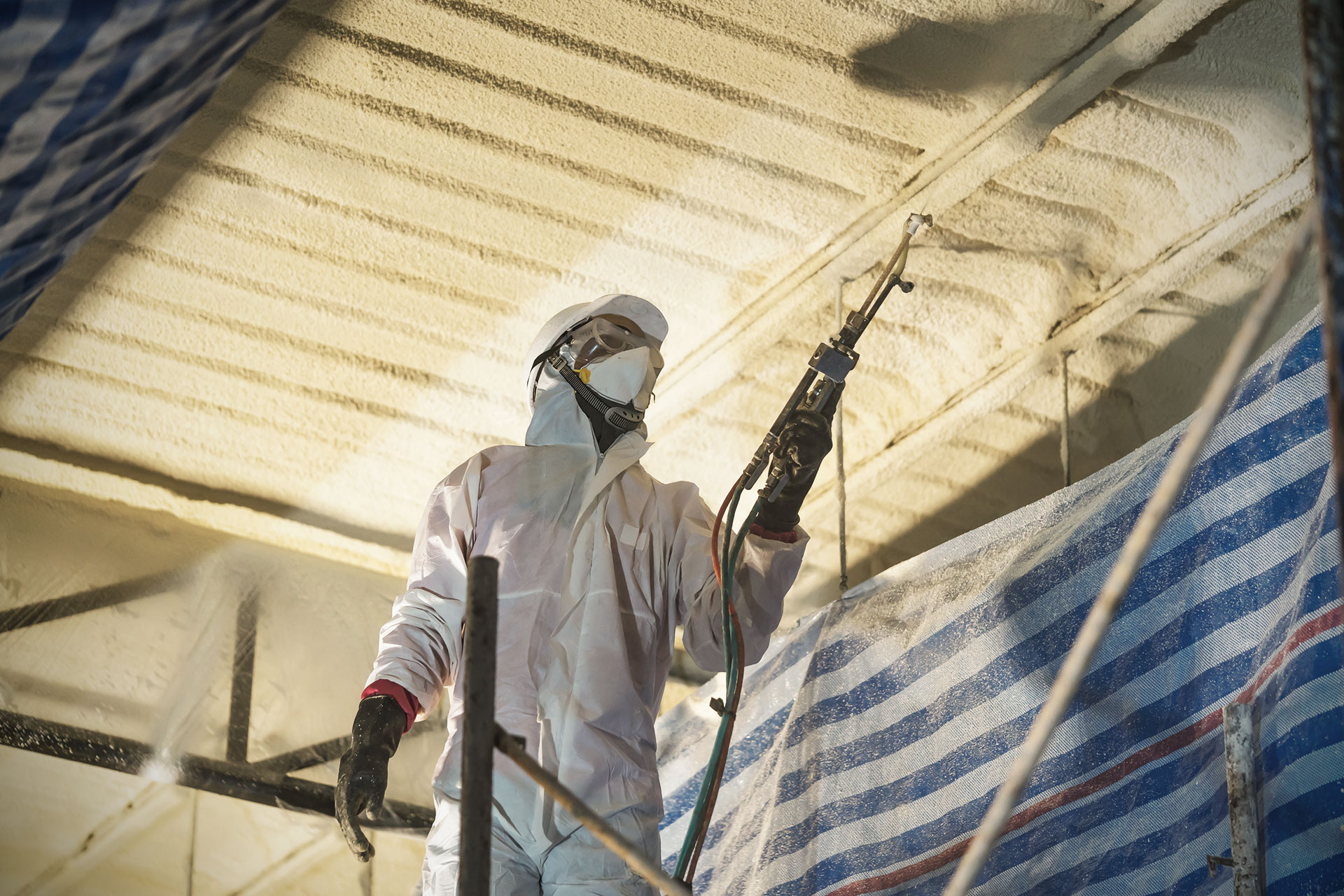
Insulation Performance Comparison

Bonus Tips
- Focus insulation upgrades on attics and floor transitions
- Address rim joists early for better balance
- Combine insulation with proper ventilation planning
Case Studies
Buildings with sealed attic assemblies often report improved comfort across all floors within the first season after installation.
Issue Three: Moisture Buildup Without Visible Leaks
Moisture problems do not always come from roof or plumbing failures.
Cause
Humid air enters wall and roof cavities through small openings. Over time, this moisture condenses inside the structure.
Outcome
Spray foam restricts moisture-laden air movement. The Environmental Protection Agency’s indoor air quality guidance notes that controlling air flow is critical to managing moisture and indoor air quality.
Issue Four: Outside Noise That Travels Indoors
Noise transfer affects comfort in residential and commercial spaces.
Cause
Air gaps act as sound pathways. Standard insulation absorbs some noise but leaves gaps open.
Outcome
Spray foam fills cavities completely. This reduces sound transmission and improves indoor quiet without additional materials.
Issue Fiv:e Rising Energy Use With No Clear Explanation
Energy costs often rise even when systems appear to work properly.
Cause
Air leaks increase heating and cooling run times. Systems work harder to maintain set temperatures.
Outcome
By limiting air exchange, spray foam reduces energy demand. This leads to steadier system operation and lower overall usage.
How Spray Foam Works Supports Long-Term Building Performance
Spray foam insulation delivers multiple benefits in a single application. It seals, insulates, and stabilizes the building envelope.
These combined effects improve comfort, protect materials, and support efficient energy use over time. Properties with proper air control also experience fewer seasonal performance swings.

Conclusion
Subtle building issues often cause the biggest frustrations. Drafts, uneven temperatures, moisture, noise, and unexplained energy use all trace back to air movement within the structure. Spray foam insulation addresses these root causes directly and delivers lasting improvements.
How South Chicago Insulation Supports Performance-Focused Projects
Spray foam insulation improves comfort, durability, and efficiency when applied with proven methods. South Chicago Insulation supports energy-efficient projects by focusing on air control and long-term performance. Property owners can call (779) 803-8025.
FAQs
Why does spray foam improve comfort more than other insulation types?
It seals air gaps while insulating, which limits drafts and temperature swings.
Can spray foam help reduce moisture issues inside walls? Yes. It restricts humid air movement that leads to condensation inside assemblies.
Does spray foam reduce outside noise?
It fills cavities completely, which lowers sound transfer through walls and floors.
Is spray foam useful in older buildings?
It adapts well to irregular framing and hidden gaps common in older structures.
How does spray foam affect heating and cooling systems?
By reducing air leakage, systems run less often and maintain steadier temperatures.
Author
Bob Gasca attended his first spray foam training in 2007 and continues yearly education to stay current with the latest technology and practices. He is a certified Spray Foam Master Installer through the SPFA and a member of the SPFA. Bob also serves as a Spray Foam Worldwide Ambassador and specializes in solving complex moisture and air infiltration issues.
Reviewer
Noah Gonzalez reviewed this article and applied 9 years of experience to improve clarity and practical value for insulation professionals.
Citations & References
- U.S. Department of Energy Air Sealing and Insulation – Federal guidance on reducing air leakage for efficiency
- Building Science Corporation Perfect Wall Insight – Research on air barriers and building performance
- EPA Moisture Control Guidance – Moisture and indoor air quality best practices