
Why India Is Emerging as a Global Startup Destination
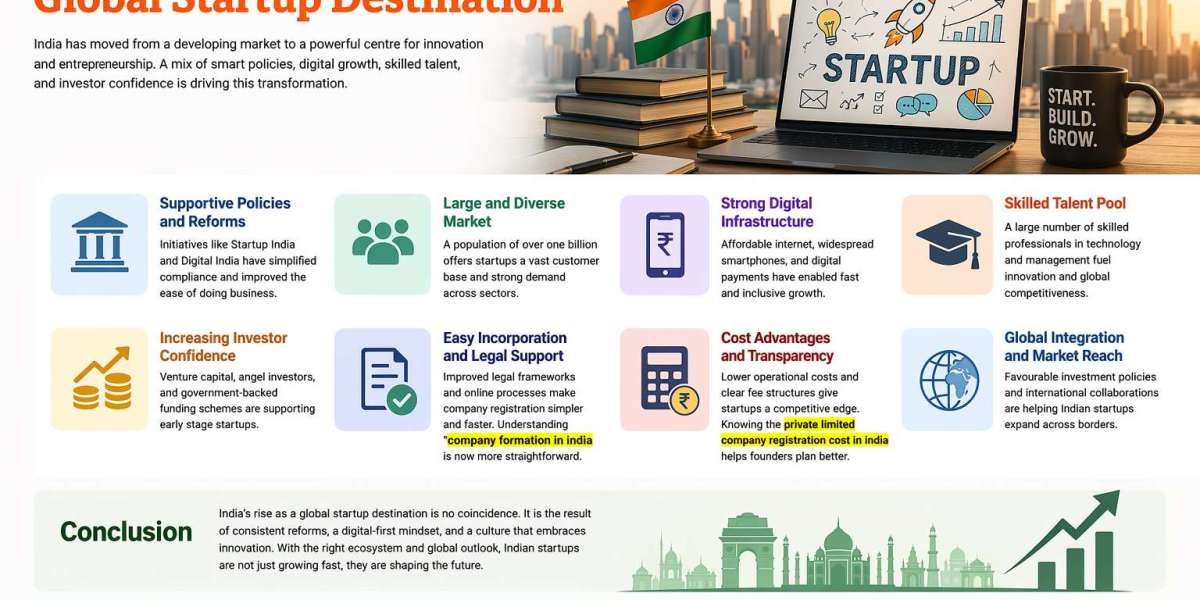
India has moved from a developing market to a powerful centre for innovation and entrepreneurship. Over the past decade, the country has witnessed a steady rise in startup activity across sectors such as technology, fintech, healthcare, and e commerce. This shift is not accidental. It reflects a mix of regulatory reforms, access to capital, a large consumer base, and a strong digital ecosystem.
For global investors and founders, India now presents a compelling case as a startup destination. Understanding the factors behind this growth helps explain why the country continues to attract attention from across the world.
A Strong Policy and Regulatory Framework
One of the key drivers of India’s startup growth is the government’s proactive approach towards policy reform. Initiatives such as Startup India and Digital India have simplified regulatory procedures and reduced entry barriers for entrepreneurs.
The introduction of easier compliance norms, tax benefits, and faster company incorporation processes has made it simpler to launch and scale a business. Legal frameworks have also evolved to support innovation, especially in sectors like fintech and data protection.
Clearer policies create trust among investors. They reduce uncertainty and improve the ease of doing business. As a result, India has steadily improved its global business rankings, making it more attractive to both domestic and foreign entrepreneurs.
Access to a Large and Diverse Market
India offers one of the largest consumer markets in the world. With a population exceeding one billion, startups have access to a vast and diverse customer base. This diversity allows businesses to test products across multiple demographics and price points.
Urbanisation and rising disposable income have further boosted demand for digital services, financial products, and consumer goods. Startups can scale rapidly due to this expanding market.
For global founders, India provides not just a production base but also a strong demand side advantage. This dual benefit enhances the country’s appeal as a startup hub.
Growth in Digital Infrastructure
The rapid expansion of digital infrastructure has played a crucial role in India’s startup ecosystem. Affordable internet access and widespread smartphone usage have transformed how businesses operate.
Platforms such as digital payments systems and online marketplaces have enabled startups to reach customers even in remote areas. The adoption of technologies like artificial intelligence and cloud computing has further improved operational efficiency.
Digital transformation has also reduced costs for startups. It allows them to build scalable solutions without heavy investment in physical infrastructure. This factor significantly lowers entry barriers for new entrepreneurs.
Availability of Skilled Talent
India has a large pool of skilled professionals, particularly in fields like engineering, information technology, and management. Every year, thousands of graduates enter the workforce with strong technical and analytical skills.
This talent pool supports innovation and product development. It also enables startups to compete globally. Many Indian professionals have experience working with international firms, which brings valuable expertise into the startup ecosystem.
Moreover, the growing culture of entrepreneurship encourages individuals to move away from traditional employment and explore startup opportunities. This shift contributes to a vibrant and dynamic business environment.
Increasing Investor Confidence
Investor interest in India has grown significantly. Venture capital firms, angel investors, and private equity funds are actively investing in Indian startups. The presence of successful unicorns has further strengthened investor confidence.
Government backed funding schemes and incentives have also supported early stage startups. These initiatives provide financial assistance and reduce the risks associated with new ventures.
As funding becomes more accessible, startups can focus on innovation and expansion. This steady flow of capital ensures long term growth and sustainability within the ecosystem.
Legal Support and Ease of Incorporation
A supportive legal environment is essential for startup success. India has made considerable progress in simplifying business registration and compliance processes. Entrepreneurs can now complete most formalities online with minimal delays.
Understanding company formation in india is now more straightforward due to improved legal frameworks and digital systems. This ease of incorporation encourages more individuals to start their own ventures.
Legal professionals also play a key role in guiding startups through regulatory requirements. Their expertise ensures compliance and reduces the risk of legal disputes. This support system strengthens the overall business environment.
Cost Advantages and Competitive Edge
India offers significant cost advantages compared to many developed economies. Lower operational costs, affordable labour, and competitive pricing allow startups to operate efficiently.
These cost benefits enable businesses to allocate more resources towards innovation and growth. They also make Indian startups attractive partners for global companies seeking cost effective solutions.
Additionally, the lower cost of living in many cities helps startups maintain financial stability during their early stages. This advantage is particularly important for bootstrapped ventures.
Focus on Innovation and Emerging Sectors
Indian startups are not limited to traditional industries. Many are exploring emerging sectors such as clean energy, health technology, edtech, and financial services.
Innovation is driven by local challenges and global opportunities. Startups are developing solutions tailored to Indian conditions while maintaining global relevance. This approach enhances their competitiveness in international markets.
Research and development activities are also increasing. Collaboration between startups, academic institutions, and industry experts fosters a culture of continuous innovation.
Transparent Cost Structures for Business Setup
Clarity in business setup costs is another factor contributing to India’s appeal. Entrepreneurs can now access detailed information regarding registration fees, compliance costs, and operational expenses.
Awareness of the private limited company registration cost in india helps founders plan their finances effectively. Transparent cost structures reduce uncertainty and support informed decision making.
This level of clarity is particularly beneficial for foreign investors who seek predictable and reliable business environments.
Global Integration and Market Reach
India’s integration with global markets has improved significantly. Trade agreements, foreign investment policies, and international collaborations have opened new avenues for startups.
Indian startups are increasingly expanding beyond domestic markets. Many are targeting customers in Asia, Europe, and North America. This global outlook enhances their growth potential and brand recognition.
Cross border partnerships also provide access to advanced technologies and best practices. Such collaborations strengthen the overall ecosystem and drive innovation.
Conclusion
India’s emergence as a global startup destination is the result of multiple interconnected factors. A supportive regulatory framework, strong digital infrastructure, and access to skilled talent have created a solid foundation for growth.
Investor confidence, cost advantages, and a focus on innovation further strengthen the ecosystem. Legal reforms and simplified business processes make it easier for entrepreneurs to start and scale their ventures.
As these trends continue, India is likely to play an even more significant role in the global startup landscape. For entrepreneurs and investors alike, the country offers a unique blend of opportunity, scalability, and long term potential.