
INTRODUCTION
In modern healthcare infrastructure, precision, hygiene, and efficiency are non-negotiable—especially in ophthalmic surgery environments. A Modular Ophthalmic OT Engineering Company plays a crucial role in designing advanced operation theatres that meet stringent medical standards while ensuring optimal workflow and patient safety. From concept to commissioning, the design process is a blend of engineering expertise, medical compliance, and innovative technology.
This detailed blog explores how a modular ophthalmic OT is designed step-by-step, highlighting the engineering principles, components, and strategies involved in building world-class operation theatres.
Understanding Modular Ophthalmic Operation Theatre Design
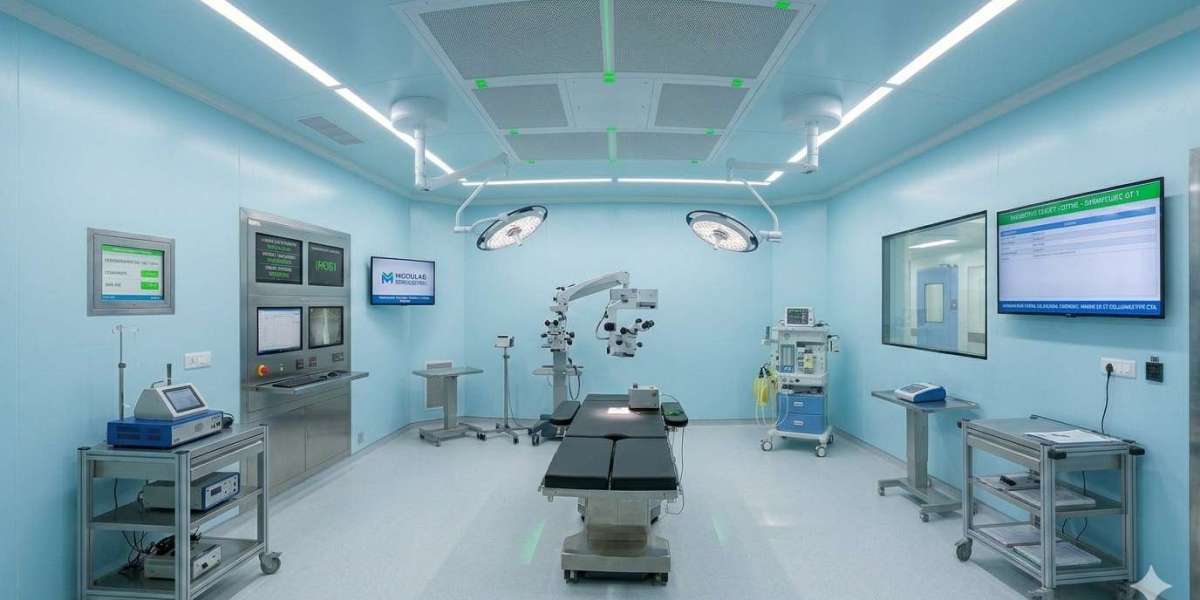
A modular ophthalmic OT is a prefabricated, sterile surgical environment specifically designed for eye procedures such as cataract, glaucoma, LASIK, and retinal surgeries. Unlike conventional OTs, modular systems are engineered using pre-manufactured components that are assembled on-site.
The design approach focuses on:
- Infection control
- Controlled airflow systems
- Ergonomic workflow
- Equipment integration
- Compliance with NABH, ISO, and international standards
A Modular Ophthalmic OT Engineering Company ensures that every element is scientifically designed for maximum efficiency and safety.
Step-by-Step Design Process
1. Requirement Analysis and Site Evaluation
The design journey begins with a thorough understanding of the hospital’s needs.
Key Considerations:
- Type of ophthalmic procedures performed
- Number of surgeries per day
- Space availability
- Future expansion plans
- Budget constraints
Engineers and consultants conduct site inspections to evaluate dimensions, structural feasibility, and utility availability.
2. Workflow Planning and Zoning
Efficient workflow is critical in an ophthalmic OT to minimize contamination risks and ensure smooth operations.
- Sterile zone (operating room)
- Clean zone (preparation area)
- Dirty zone (waste disposal)
- Changing rooms and scrub areas
A Modular Ophthalmic OT Engineering Company carefully designs these zones to maintain unidirectional flow, reducing infection risks.
3. Architectural and Structural Design
Once workflow is defined, detailed architectural layouts are created.
Design Elements:
- Wall panel positioning
- Door placements (sliding/automatic)
- Ceiling height and structure
- Flooring (anti-static, seamless)
The focus is on creating a seamless, easy-to-clean environment with minimal joints to prevent bacterial growth.
4. HVAC and Laminar Airflow System Design
Air quality is one of the most critical aspects of OT design.
- Laminar airflow systems
- HEPA filters (99.97% efficiency)
- Positive pressure maintenance
- Temperature and humidity control
The engineering team ensures that clean air flows uniformly over the surgical area, minimizing airborne contamination.
5. Electrical and Lighting Design
Precision surgeries require advanced lighting and uninterrupted power supply.
Components:
- Shadowless surgical lights
- LED panel lighting
- Backup power systems (UPS, generators)
- Modular OT control panels
Lighting is designed to reduce glare and shadows, ensuring clear visibility during delicate eye procedures.
6. Medical Gas Pipeline System (MGPS)
Medical gases are essential for anesthesia and patient care.
System Includes:
- Oxygen supply
- Nitrous oxide
- Vacuum systems
Pipelines are designed with safety valves, alarms, and easy accessibility for maintenance.
7. Integration of Equipment and Technology
Modern ophthalmic OTs require seamless integration of advanced equipment.
- Operating microscopes
- Phacoemulsification machines
- Vitrectomy systems
- Digital control panels
A Modular Ophthalmic OT Engineering Company ensures proper placement and connectivity for efficient usage.
8. Material Selection and Modular Components
Material choice directly impacts hygiene and durability.
Common Materials:
- Antibacterial wall panels
- Stainless steel fixtures
- Seamless vinyl flooring
- Hermetically sealed doors
These materials are resistant to chemicals, easy to clean, and long-lasting.
9. Safety and Compliance Planning
Compliance with healthcare standards is mandatory.
Standards Followed:
- NABH guidelines
- ISO certifications
- Fire safety regulations
- Electrical safety norms
Engineers incorporate all safety measures during the design phase itself.
10. 3D Visualization and Simulation
Before execution, designs are visualized using advanced tools.
Benefits:
- Better understanding of layout
- Identification of design flaws
- Client approval before construction
Simulation tools also help in airflow analysis and lighting optimization.
11. Installation and Execution Planning
Though design is completed, execution planning is equally important.
Planning Includes:
- Installation sequencing
- Resource allocation
- Timeline estimation
- Coordination with hospital teams
A well-planned execution ensures timely project completion.
12. Testing and Validation Design Considerations
Even during the design phase, provisions for testing are included.
Validation Tests:
- Airflow velocity tests
- Pressure differentials
- Particle count tests
- Temperature and humidity checks
Designing for easy testing ensures long-term performance and compliance.
Key Design Principles Followed
A Modular Ophthalmic OT Engineering Company adheres to core engineering principles:
1. Infection Control First
Every design element minimizes contamination risks.
2. Ergonomic Efficiency
Layouts are optimized for surgeon comfort and staff movement.
3. Energy Efficiency
Systems are designed to reduce power consumption.
4. Scalability
Future expansion and upgrades are considered.
5. Sustainability
Eco-friendly materials and systems are prioritized.
Benefits of Professional OT Engineering Design
Choosing an expert engineering company offers multiple advantages:
- Faster project completion
- Higher precision and quality
- Compliance with medical standards
- Reduced maintenance costs
- Enhanced patient safety
Challenges in Designing Ophthalmic OTs
Despite advancements, certain challenges exist:
- Space constraints in hospitals
- Integration of advanced equipment
- Maintaining strict sterility standards
- Balancing cost and quality
Experienced engineers overcome these challenges through innovative solutions.
Future Trends in OT Design
The future of ophthalmic OT design is driven by technology:
- Smart OTs with automation
- AI-based monitoring systems
- Touchless interfaces
- Advanced infection control technologies
These innovations are redefining how operation theatres are designed and operated.
Conclusion
Designing a modern ophthalmic operation theatre requires a perfect blend of engineering expertise, medical knowledge, and advanced technology. A Modular Ophthalmic OT Engineering Company follows a structured, step-by-step approach—from requirement analysis and workflow planning to HVAC design and equipment integration—to create safe, efficient, and compliant surgical environments.
By leveraging modular technology, hospitals can achieve faster setup, superior quality, and future-ready infrastructure. For healthcare providers looking to build high-performance ophthalmic OTs, partnering with an expert like Altus Airflow ensures precision, reliability, and excellence.
Frequently Asked Questions (FAQs)
1. What does a Modular Ophthalmic OT Engineering Company do?
A Modular Ophthalmic OT Engineering Company designs, plans, and executes operation theatres with advanced modular systems, ensuring compliance, safety, and efficiency.
2. Why is HVAC design important in Modular Ophthalmic OT Engineering Company projects?
HVAC systems are critical in Modular Ophthalmic OT Engineering Company projects because they control airflow, maintain sterility, and reduce infection risks.
3. How does a Modular Ophthalmic OT Engineering Company ensure infection control?
A Modular Ophthalmic OT Engineering Company uses laminar airflow, HEPA filters, zoning, and antibacterial materials to maintain a sterile environment.
4. Can a Modular Ophthalmic OT Engineering Company customize OT designs?
Yes, a Modular Ophthalmic OT Engineering Company provides customized designs based on hospital requirements, space, and surgical needs.
5. What standards are followed by a Modular Ophthalmic OT Engineering Company?
A Modular Ophthalmic OT Engineering Company follows NABH, ISO, and other healthcare safety standards to ensure compliance.
Read Our Previous Blog------>How long do Modular Ophthalmic OT Setup Services take to complete?