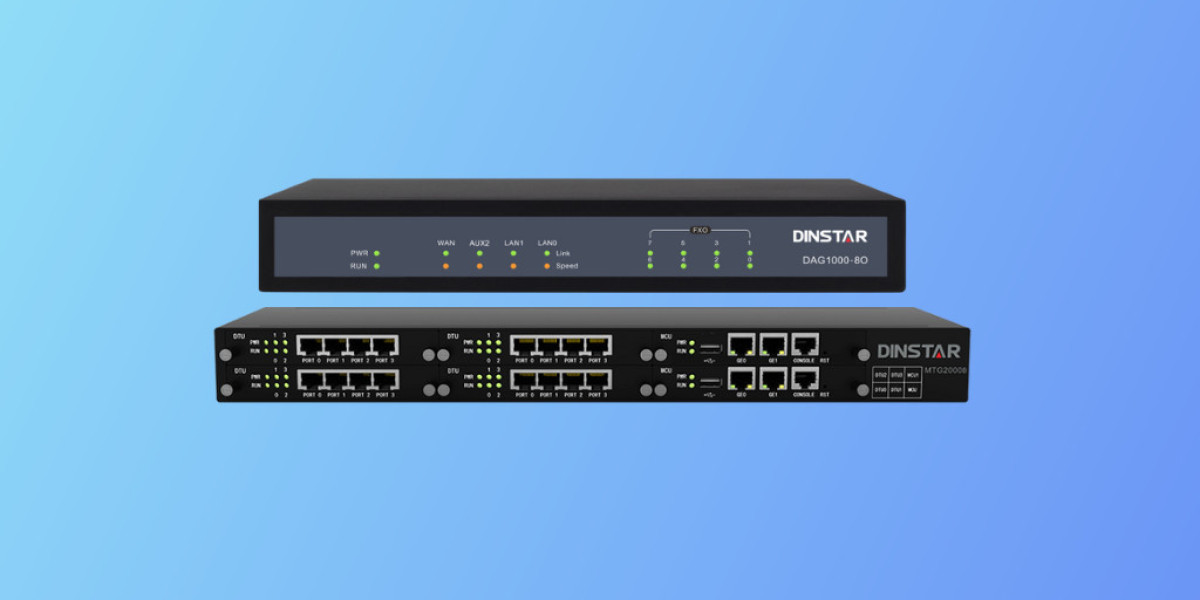

An Analog Gateway is a network device that bridges traditional telephone lines with modern IP-based communication systems. In simple terms, it converts analog voice signals into digital packets that can travel over an IP network. This makes it an essential tool for businesses that want to upgrade to VoIP without immediately replacing all their existing analog phones or PBX systems.
Why Analog Gateways Are Still Relevant
Even though VoIP and cloud telephony dominate today’s communication landscape, many organizations still use analog-based devices such as fax machines, intercoms, and traditional desk phones. Replacing these devices can be costly and unnecessary.
An Analog Gateway allows businesses to continue using their current equipment while still enjoying benefits like flexibility, scalability, and improved call routing offered by IP communication systems.
How an Analog Gateway Works
The working mechanism revolves around signal conversion. When someone makes a call through an analog phone, the device sends an analog signal. The Analog Gateway then converts this signal into a digital VoIP packet and routes it through an IP network.
Similarly, when a digital call arrives, the gateway converts it back into an analog signal so that traditional devices can receive and process it. This two-way conversion ensures seamless compatibility between old and new communication technologies.
Types of Analog Gateways
1. FXS Gateway
This type connects IP PBX or VoIP systems to analog phones. It allows businesses to keep using analog telephones while running on a digital network.
2. FXO Gateway
An FXO Gateway connects analog phone lines (PSTN) to IP PBX systems. It enables businesses to make and receive external calls using VoIP without giving up their existing telephone lines.
Benefits for Businesses
Analog Gateways bring several operational advantages:
Cost-effective migration from legacy systems to VoIP
Smooth integration with existing analog devices
Reduced downtime during transition
Easy scalability as business communication grows
Flexibility in connecting multiple locations or branches
These benefits make analog gateway solutions ideal for SMBs, call centers, hotels, educational institutes, and enterprises moving toward hybrid communication models.
Where Analog Gateways Are Commonly Used
Industries with mixed communication setups benefit the most. For example, hotels often operate analog room phones, while back-office operations rely on IP systems. Similarly, hospitals, security systems, manufacturing units, and retail outlets use Analog Gateways to combine analog endpoints with modern telephony over IP networks.