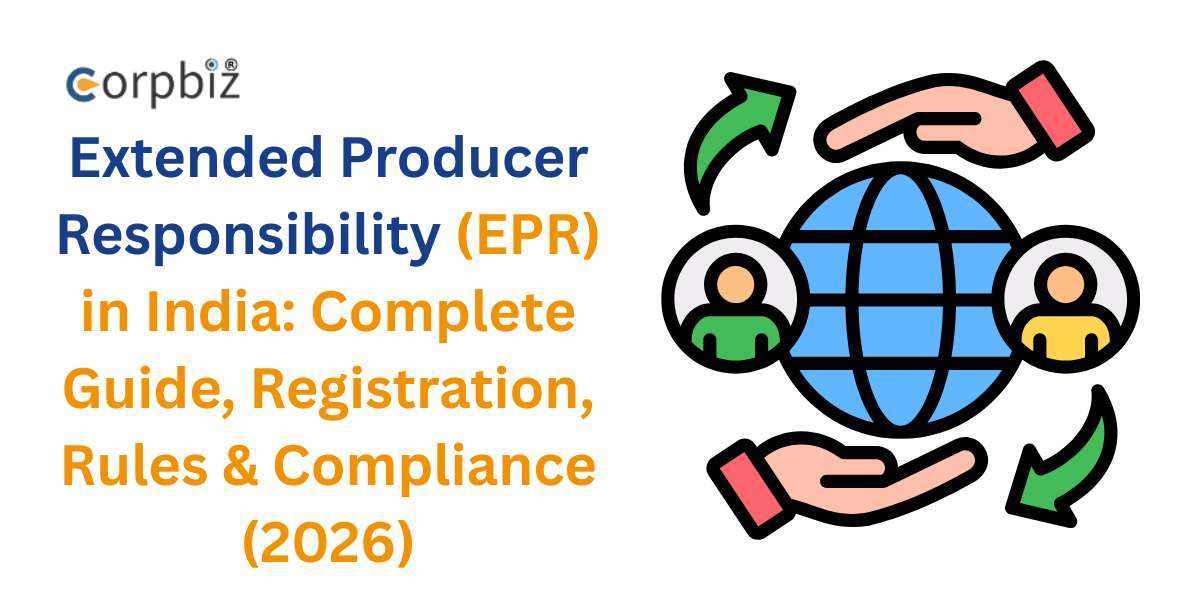

If you’ve ever wondered what happens to plastic bottles, old batteries, or broken electronics after we throw them away, you’re not alone. In India, the government has introduced a smart idea called extended producer responsibility (EPR) to deal with this growing waste problem.
What is Extended Producer Responsibility (EPR)?
Imagine you buy a chocolate. After eating it, the wrapper becomes waste. Now, instead of you worrying about where it goes, the company that made the chocolate is also responsible for managing that waste.
That’s exactly what extended producer responsibility means.
It is a rule where companies (called “producers”) must take responsibility for the entire life of their product—even after it becomes waste.
Why is EPR Important in India?
India produces a huge amount of waste every day—plastic, e-waste, battery waste, and more. If not managed properly, it harms the environment, animals, and even our health.
EPR helps:
Reduce pollution
Encourage recycling
Make companies more responsible
Promote a cleaner and greener India
EPR Rules in India
The Indian government has made EPR mandatory under different waste management rules, such as:
Plastic Waste Management Rules
E-Waste Management Rules
Battery Waste Management Rules
These rules require businesses to:
Collect waste generated from their products
Recycle or dispose of it safely
Meet annual targets set by authorities
Who Needs EPR Registration?
Any company involved in the following must get EPR registration:
Manufacturers
Importers
Brand owners (PIBOs)
For example:
A company selling packaged food
A business importing electronics
A brand manufacturing batteries
EPR Registration Process
Here’s how companies can register for EPR in India:
Prepare Documents
Business registration, GST details, product informationApply Online
Submit application on the government portalSubmit Waste Management Plan
Explain how waste will be collected and recycledApproval from Authority
Central Pollution Control Board (CPCB) reviews and approvesGet EPR Certificate
Once approved, the company receives an EPR registration certificate
Compliance for Company Under EPR
Following rules is very important. This is called compliance for company.
Companies must:
Meet recycling targets
Maintain proper records
File annual reports
Work with authorized recyclers
If a company fails to follow EPR rules, it may face:
Heavy penalties
Cancellation of license
Legal action
Types of Ethical Issues in EPR
EPR is not just about rules—it’s also about doing the right thing. There are some types of ethical issues companies may face:
Ignoring Waste Responsibility
Some companies may avoid managing their waste properlyFake Recycling Claims
Claiming recycling without actually doing itImproper Disposal
Dumping waste illegally to save costsLack of Transparency
Not sharing correct data with authorities
Ethical companies always follow rules honestly and protect the environment.
Role of Recycling Partners
Companies often work with recyclers and waste management agencies. These partners help in:
Collecting waste
Recycling materials
Providing proof of compliance
Choosing the right partner is important for smooth EPR compliance.
How is EPR Different from FCRA Registration?
You might have heard of FCRA registration or NGOs. Let’s keep it simple:
EPR → For companies handling product waste
FCRA registration → For NGOs receiving foreign donations
Both involve compliance, but they serve completely different purposes.
Benefits of EPR for Businesses
Even though EPR sounds like extra work, it has many benefits:
Builds a positive brand image
Gains customer trust
Helps in legal compliance
Supports sustainability goals
Today’s customers prefer brands that care about the environment.
Common Challenges in EPR Compliance
Some businesses face difficulties like:
Understanding complex rules
Finding authorized recyclers
Managing documentation
Meeting yearly targets
But with proper planning and expert help, these challenges can be managed easily.
Future of EPR in India
By 2026, EPR is becoming stricter and more important. The government is focusing on:
Digital tracking of waste
Higher recycling targets
Stronger penalties for non-compliance
This means companies must be more responsible than ever.
Final Thoughts
Extended producer responsibility (EPR) is a powerful step toward a cleaner India. It ensures that companies don’t just make products—but also take care of the waste they create.
If businesses follow proper compliance for company rules and avoid types of ethical issues, EPR can make a big difference for our environment and future generations.
Author Profile
Gaurav Sharma
Gaurav Sharma is a compliance and legal content specialist with over 8 years of experience in writing about business registrations, environmental laws, and corporate regulations in India. He simplifies complex topics like extended producer responsibility, compliance frameworks, and licensing processes into easy-to-understand guides. His goal is to help businesses stay compliant while building a sustainable future.