
喜欢
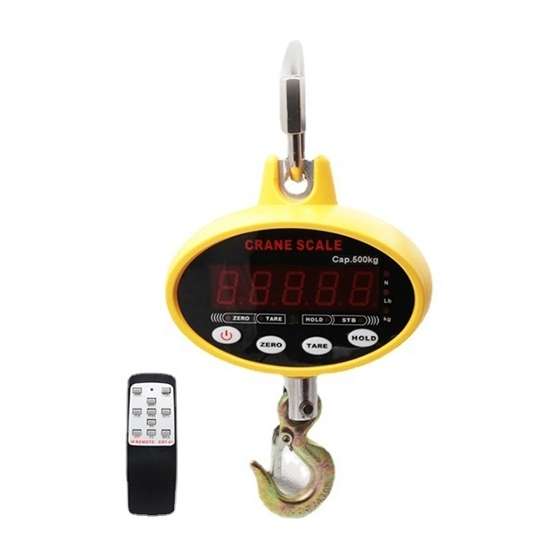
ATO crane scales are specialized weighing instruments designed for measuring the mass of goods in a suspended state, typically installed under cranes or lifting equipment. These devices consist of high-strength hooks, shackles, display controllers, load cells, metal casings, and protection boards, offering multi-functionality, high precision, and low maintenance costs that make them suitable for logistics, warehousing, factories, docks, and trading markets.
Key specifications vary by capacity. The hanging crane scale series offers 360-degree rotation with 5-digit large digital tube displays, operating temperatures between 20°C and 50°C, and optional units in kilograms or pounds. Battery life extends to 270 hours for smaller models and around 100 hours for heavy-duty versions, with all units featuring rechargeable sealed lead-acid batteries. Infrared remote controllers with 15-meter range come standard, allowing convenient operation from a safe distance.
Industrial-grade models incorporate wireless control capabilities, high-temperature resistant materials, and seamless steel pipe welding. These feature RS232 output ports, data storage for up to 99 records, and radio frequency transmission at 433MHz. The heavy-duty 30-ton and 50-ton scales boast 5-digit red LED displays with 45mm font height for excellent visibility, overload protection at 125% of full scale, and ultimate load capacity of 400% full scale.
For marine environments, ATO offers precision electronic crane scales with IP67 waterproof ratings and corrosion-resistant high-strength aluminum alloy construction. Wireless Bluetooth models provide remote control distances up to 15 meters with 360-degree rotatable swivel hooks, supporting multiple weighing units including kilograms, pounds, and Newtons.
When selecting a crane scale, ATO recommends considering accuracy requirements, measurement range, necessary functions, versatility, and economic factors including purchase price, operational cost savings, and availability of accessories. Proper usage requires avoiding overload, ensuring vertical lifting, maintaining safe distances from suspended loads, and regular inspection of hooks, screws, and pins. Calibration should be performed regularly using the infrared remote control to maintain measurement accuracy, with gravity acceleration values adjustable according to geographic location.
裁剪你的头像